
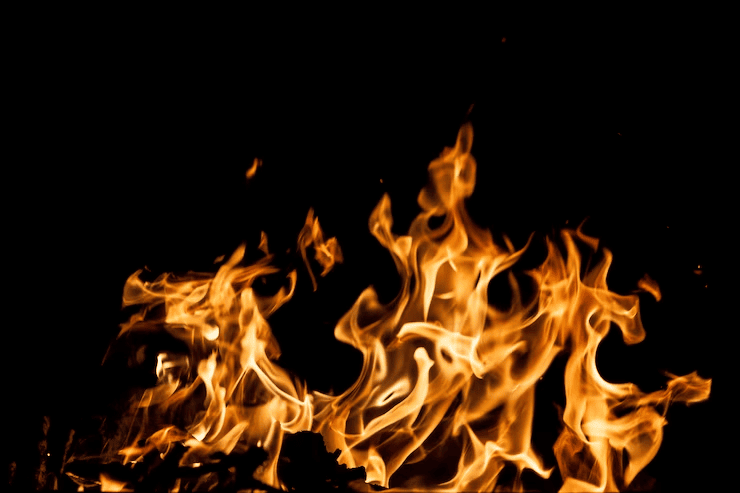
For many years, people have remembered the fire triangle.
This helps to remember that in order for a fire to start there needs to be heat, fuel and oxygen.

Oxygen
Heat

Fuel
Oxygen: The main source of oxygen is in the air around us. Sometimes there could be oxygen found in chemicals or oxygen cylinders.
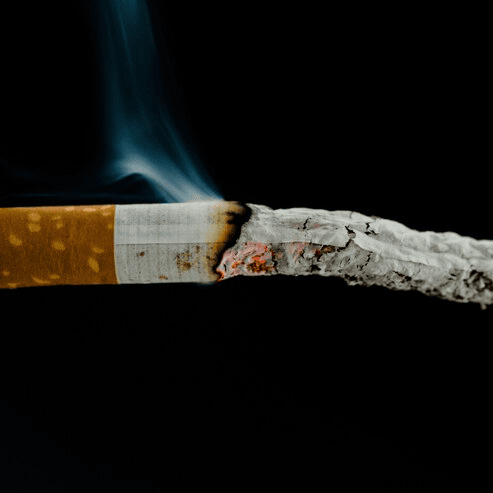
Heat: A common cause of fire is a carelessly discarded cigarette. This, along with lighters, matches, naked flames like candles, faulty electrical equipment, hot surfaces, lighting, electric or gas heaters, cooking equipment are all sources of ignition.
Fuel: Sources are empty boxes, rubbish, paper, wood, upholstered furniture, flammable chemicals, rubber, clothes and curtains can all provide sources of fuel and help a fire to spread.
Fire tetrahedron
Fire tetrahedron
Recent research has added a fourth element; a chemical chain reaction which is also necessary for fire to occur.
The fire triangle has been adapted into a fire tetrahedron to reflect this fourth element.
The most important thing to know is that a fire cannot start or continue if one of these elements is missing.
Our fire safety course will provide you with more detailed information.
Your organisation may ask you to attend a classroom fire safety course as part of its company policy. You will be required to understand fire evacuation procedures for the place or places you work and follow these in an emergency. Fire exits will be clearly marked and you will meet your colleagues at the “Assembly Point” where they will check if everyone is present. You will practise fire evacuation regularly. You must not return to the building until an appointed person tells you it is safe. Each home will have specific arrangement about what happens with the residents if the fire alarm rings.

Make sure you have an emergency plan for your own home as well.
If you work in an individual’s home or in the community, you will need to consider emergency evacuation plans. Each place will be different and individuals have different needs in mobility, communication and comprehension about what might be happening.
You can support the individual to know how to make their own home more secure by checking they have a working smoke alarm. You can consider together how you will leave the building if there is an emergency. If you can simulate and practise evacuation, this could save lives. We recommend you do this at home as well with your family.
For now, these are some essential fire safety principles you need to be aware of:
- Be aware and take extra caution when people are smoking, using lighters, candles, cooking, working with hot surfaces and around electric or gas heaters. Don’t smoke near naked flames or hazardous chemicals. Observe no smoking signs.
- Ensure equipment is not used with faulty wiring. Keep appliances and switches turned off and unplugged where possible. Do not leave mobile phones, tablets or laptops on charge overnight, especially under a pillow.
- Keep escape routes clear making sure furniture or empty boxes are disposed of safely outside the building in the appropriate places. Don’t allow large amounts of rubbish to gather as this could provide fuel for a fire.
- Fire doors will help prevent fire from spreading. They should always be kept closed, unless they are fitted with automatic door release system linked to the fire alarm system.
.svg)



