07345159778
support@getskillonline.com

18. Describe the hazardous substances in your workplace

Lesson 18/26 | Study Time: 22 Min
18. Describe the hazardous substances in your workplace


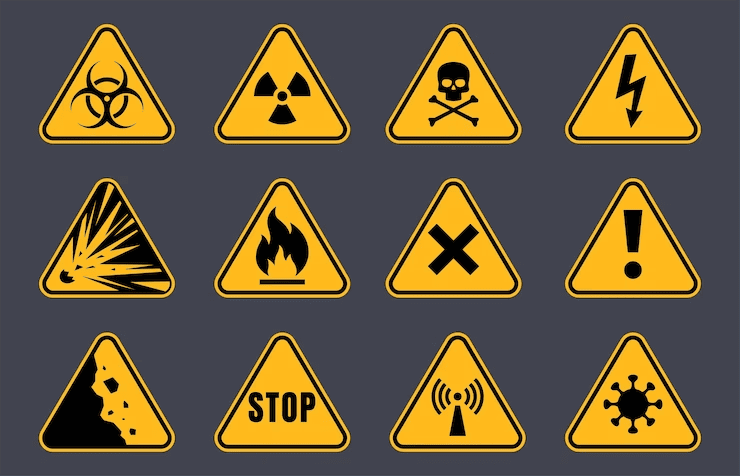
COSHH symbols

You will use lots of different types of products every day.

Some of these will be hazardous substances that can be harmful and some can even cause death. In the workplace, you have a duty of care to make sure substances are used, stored and disposed of safely.

The Control of Substances Hazardous to Health Regulations 2002 (known as COSHH) say that employers must identify which hazardous substances are present in the workplace.


Our COSHH course will provide you with lots of information and identify the many hazardous products that you will use in your role. 

People are usually surprised by how many everyday products are hazardous. 

We recommend you use this course to learn more about COSHH after the Care Certificate.

These are some examples of the hazardous substances you will find at work:

Cleaning products and air fresheners
Glue
Sprays
Paint
Medication in different formats
Germs
Fuel
Flowers and pollen
Fruit and vegetables
Contaminated water
Waste materials
Uphostery cleaners
Body waste

Were you surprised at any of these?

They are everywhere!
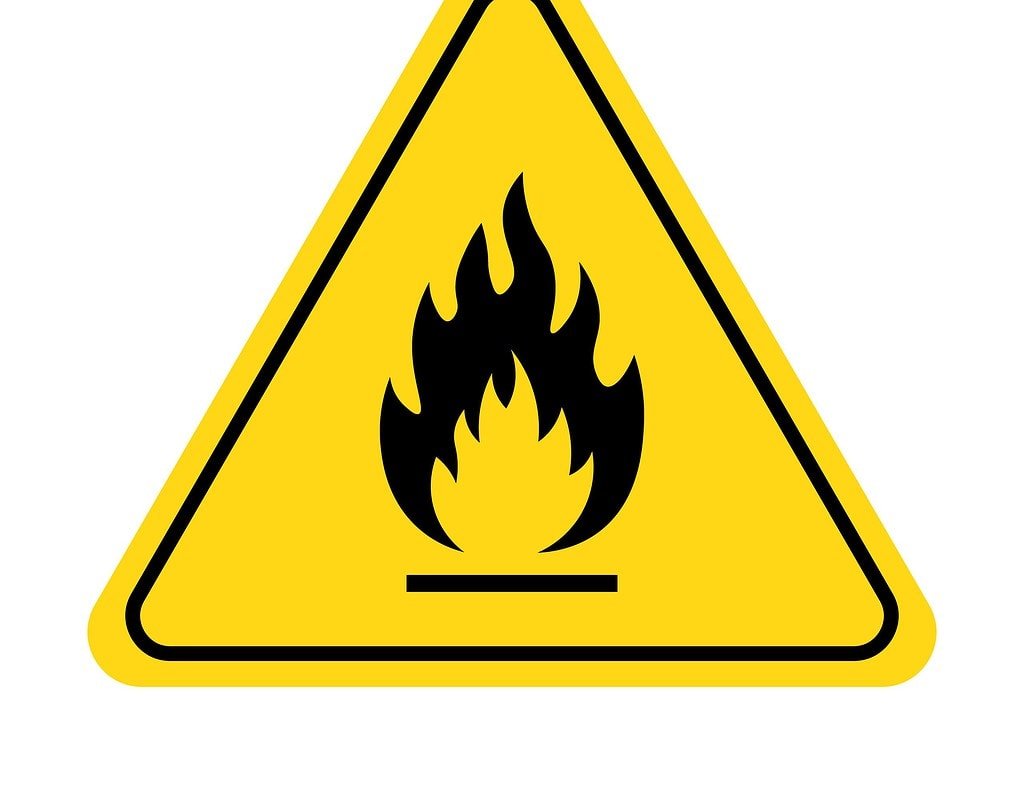
Flammable symbol

Hazardous products that are purchased will have a hazard warning triangle like this one for “flammable”. 

There will also be manufacturer’s datasheets that you can download and read. These give vital information about what to do if there is an emergency involving the product.

Some of the more common issues relating to hazardous products in social care are:

  • Bleach, for example, if an individual drinks this without understanding what it is, it can cause death. Spillages can cause nasty burns and also death in severe cases.
  • Medication, for example, if an individual has too much (overdose) or too little (under dose), the wrong medication is given to the wrong person.
  • Rubbish bins, for example, not being emptied or kept clean enough and attracting vermin leading to cross-contamination.
  • Dirty laundry, for example, where people have soiled with blood, urine, sick or diarrhoea.

Hazardous substances can enter the body via these methods:

Inhalation (breathing in)

Ingestion (swallowing)
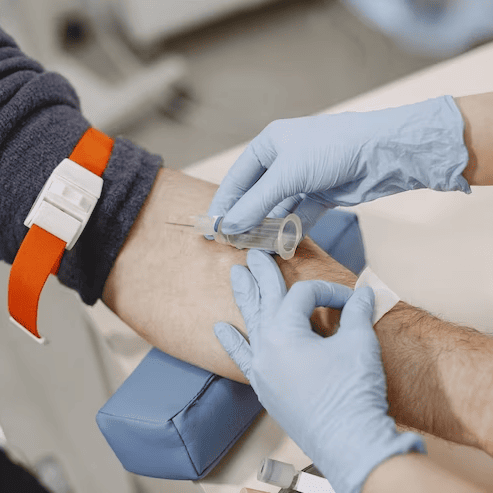
Injection (needle)

Absorption (through skin)

Getskills Online

Getskills Online

Product Designer
Faithful User
Expert Vendor
King Seller
Forums Top User

Class Sessions

1- 1. Identify legislation relating to general health and safety in social care 2- 2. Describe the main points of health and safety policies and procedures 3- 3. Outline the main health and safety responsibilities of yourself, employer and others 4- 4. List tasks relating to health and safety that should not be carried out without training 5- 5. Explain how to access additional support and information about health and safety 6- 6. Describe different types of accidents and sudden illness that may occur in your work setting 7- 7. Explain why it is important to assess health and safety risks in situations and activities 8- 8. Describe how and when to report identified health and safety risks 9- 9. Identify key pieces of legislation that relate to moving and assisting 10- 10. List tasks relating to moving and assisting that you must not carry out unless you are competent 11- 11. Demonstrate how to move and assist people and objects safely 12- 12. List different types of accidents and sudden illness that may occur at work 13- 13. Describe the procedures to be followed if an accident or sudden illness should occur 14- 14. List the emergency first aid actions you are and are not allowed to carry out 15- 15. Describe the agreed ways of working in relation to medication 16- 16. Describe the agreed ways of working in relation to healthcare tasks 17- 17. List the tasks relating to medication and healthcare procedure you must not do 18- 18. Describe the hazardous substances in your workplace 19- 19. Demonstrate safe practices for storing, using and disposing of hazardous substances 20- 20. Explain how to prevent fires from starting or spreading 21- 21. Describe what to do in the event of a fire 22- 22. Describe the measures designed to protect security at work for you and people you support 23- 23. Explain the agreed ways of working for checking identity of people 24- 24. Recognise common signs and indicators of stress in yourself and others 25- 25. Identify circumstances that tend to trigger stress in yourself and others 26- 26. List ways to manage stress



