
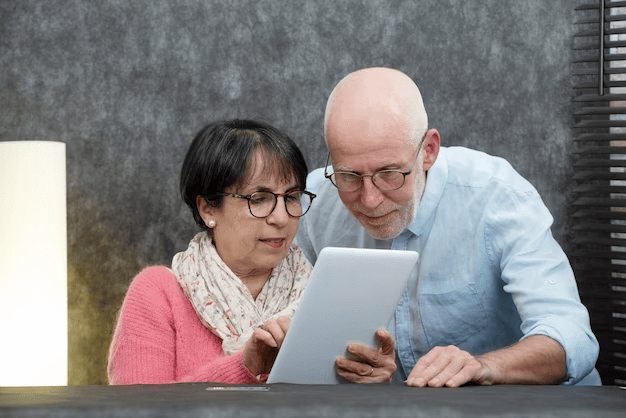
Active participation is a positive development in the way we work.
Participation will improve an individual’s confidence and enhance their wellbeing.
These are some examples of active participation:
| Encouraging a person to make decisions |
| Including a person in group activities |
| Developing new skills and learning new job roles |
| Playing games, exercising and socialising |
It is useful if you can support the individual to find out about local social and community networks in the area where the individuals you support live, particularly if the people you support live in their own homes.
You can support individuals to get further advice, guidance and information about what facilities are available. You can encourage them to be assertive about what they want. Local charities are also likely to run groups, meetings and workshops. You could talk to your friends, family and colleagues to find out what is available locally (without talking about the individuals you work with).

You might not like arts and crafts, but it is the individual’s choice.
You could look in the local paper and use the internet to search local information.
Your local authority may be able to provide information.
If an individual identifies a particular hobby or activity they wish to participate in, it might be worth checking if there are local groups or facilities who can support the individual to participate.
Assistive technology or adaptive technology is a general term for assistive, adaptive and rehabilitative devices, sometimes electronic, that can enable individuals to live more independently.
These types of equipment can be significant and can mean the difference between an individual remaining in their own home rather than having to go into a residential home. It also means that assistive technology can give the individual a greater opportunity to participate in community based activities.
Here are some examples:
| For the home |
| Electronic light systems so lights come on automatically when people move around. |
| Water and gas detectors so problems are identified. |
| Pressure mats that detect if a person has got out of bed and not returned. |
| Utensils and adapted switches to support people to eat, drink and undertake other tasks. |
| Computer programmes for voice recognition, screen readers and enlargers. |
| Automatic page turners, book holders and adapted pencil grips. |
| Ramps, grab rails and wider doorways. |
| Lights on telephones and doorbells so they can be seen as well as heard. |
| For the individual |
| Devices for people with hearing, voice, speech or language disorders. |
| Personal alarms. |
| Mobility equipment like walkers, canes, crutches, wheelchairs, scooters so people can get about. |
| A prosthetic device helps to replace, correct or support a body part and usually involves artificial limbs. |
| Orthotics are designed to treat injuries and medical conditions. This could be a custom made shoe insert. |
| Specially adapted cars to help people to travel. |
.svg)



