

Are you demonstrating that the privacy and dignity of the individuals you work with are maintained at all times?
This needs to be in line with the person’s individual needs and preferences when providing personal care. The best way to do this is to read and follow the care plan and to communicate with the individual, asking their permission before you do something.
Some of the practical things you can do include:
| Making sure doors, screens and curtains are correctly positioned. |
| Getting permission before entering someone’s personal space. |
| Knocking before entering an individual’s room or home. |
| Ensuring that any clothing such as a gown is positioned correctly. |
| A person should never have to wait or be left too long if they need to use the toilet. |
| Making sure the individual is positioned appropriately and there is no body part exposed that they would not want others to see. |

Following these suggestions will help maintain an individual’s privacy and dignity during personal care.
Each person is different, with different needs and preferences. It is best practice to always read the care plan first and work within the agreed ways of working to support and maintain wellbeing. Talk to the individual about how they are feeling and what they want.
What is acceptable to one person may not be acceptable to another person.
NEVER make assumptions about what might be appropriate for an individual.

For example: one person may want to shower every day where as another person may feel that one bath a week is acceptable.
If you have ever lived with a teenager, then you will know what we mean!
Personal care is not just about keeping clean.
It is about supporting people to maintain their personal hygiene, appearance and their living environment to the standards that they want. Take their health conditions, culture, religion, lifestyle choices etc. into consideration.
Respect the person’s choice of dress and hairstyle and be adaptable if their needs and preferences change.
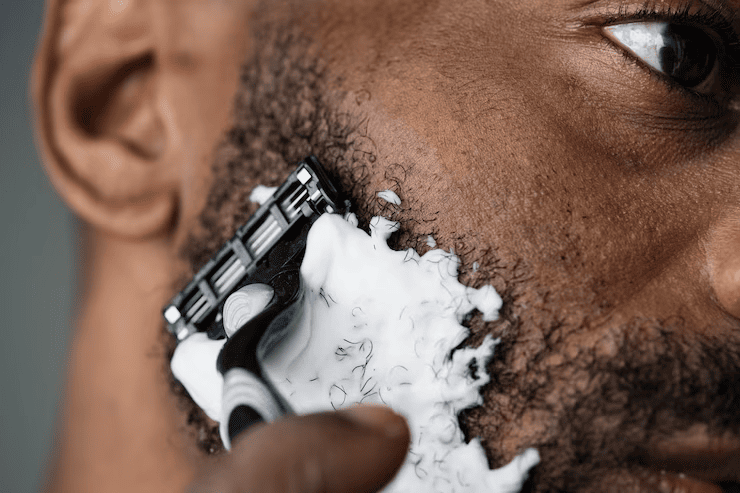
For example: A man may decide not to shave every day. He may only want to shave on the days that he is going out to visit a community group.
.svg)



