

Harm is defined as physical or mental damage or injury, something that causes someone (or something) to be hurt, broken, made less valuable or successful.
Words associated with harm are:
| Pain | Distress | Anguish | Trauma | Torment |
| Grief | Hurt | Broken | Violation | Wound |
| Misuse | Ill-treat | Molest | Destroy | Defile |
| Disfigure | Suffer | Impair | Damage | Mistrust |
There is no absolute criteria for deciding what constitutes significant harm, however the degree, extent, duration and frequency of harm are all significant.
Significant harm can be a result of a series of events, both short-term and long-standing, which interrupt, change or damage an individual’s health, wellbeing and development. However, a single traumatic event may also constitute significant harm, (e.g. a violent assault or sexual assault).
Abuse is about the misuse of the power and control that one person has over another person. The definition of abuse is not based on whether the perpetrator intended to cause harm, but on whether harm was caused and the impact of the harm (or risk of harm) on the individual.
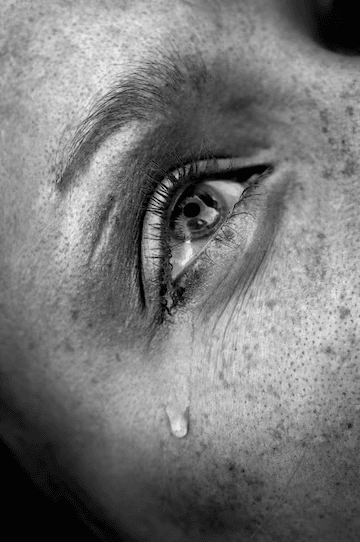
Harm includes:
- The control of a person using fear, violence or intimidation.
- Treating someone with disrespect in a way which significantly affects their quality of life and wellbeing.
- A single or repeated act or lack of appropriate action occurring in any relationship where there is an expectation of trust which causes harm or distress to an adult at risk.
- Mistreatment by any person that violates an individual’s human and civil rights.
It is your
duty of care to safeguard
individuals from harm and abuse.
Repeated instances of poor care within an organisation may be an indication of more serious problems. In order to see any patterns in poor care, it is important that information is recorded and appropriately used.
You are in a position of trust.
The individuals you support may see you as being more powerful than they are. All the individuals you support are adults at risk and any betrayal of trust and power would make YOU an abuser.
.svg)



