
11.1 : Introduction
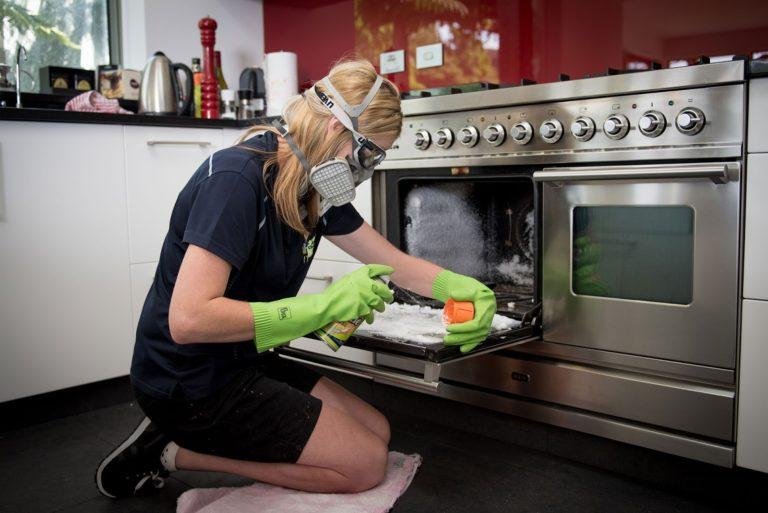
One of the most attractive aspects of running your own oven cleaning service is the flexible working hours. However, that doesn't mean you shouldn't be taking your ventures seriously. You need to take the bull by the horns when it comes to marketing and organisation, otherwise your business will fail, and the happy work-life balance you are aiming for will slip through your fingers. In order to make sure you do not fail, you need to know the ins and outs of this industry.
11.2 : What a Typical Oven Cleaning Service Entails
Almost every household has at least one oven. Some have as many as four and those will be range cookers.
This means there is great market potential here, but that doesn't mean you can rest on your laurels. As an oven cleaner, owing to the laborious nature of the work, you should expect to be able to clean 1 - 2 ovens per day, perhaps with experience as you become faster and develop your own methodical way of working.
How many ovens you can cover will depend on how much distance there is between clients too, as well as how much work a client requires. However, it is perfectly feasible to allow a morning for one oven and an afternoon for another. If you have kids, you may want to allow time for just one oven for the sake of keeping things flexible.
When doing this, you can expect to earn £75 to £200 a day, dependent upon the type of work you have been booked to do. AGA range cookers being the most expensive service on your list. When completing a residential job, you can expect to do the following:
Clean the oven hob.
Clean the oven itself and all internal components.
Clean a microwave.
Not all clients will want their microwaves cleaning. This is because they usually get less use than an oven, so they are also easier to clean. You will have all the tools you need to clean it up anyway, and it should only take an additional 10-20 minutes of your time to add this service into your time slot. If you are working on a commercial job, you usually shouldn't aim to do more than one job a day.This is because commercial premises usually come with much larger ovens, which means they will take more of your time. However, you can charge more for your services, so it is all relative. Just be sure that whenever you get an inquiry for commercial oven cleaning, that you schedule a time to meet with the client and look at the equipment you'll be required to clean, and any additional services they may require. Depending on the level of cleaning involved, it could require more than a day to get the job done.
11.3 : Should an Oven Cleaner Run Their Own Business or Work for Someone Else?
There are benefits to both of these routes. However, you need to be aware from the beginning that there are very few places that actually hire oven cleaners. However, if you do want to look out for jobs, try the following boards:
Gumtree
Indeed
Monster
Total Jobs
Cleaning agencies will be where you'll find the majority of jobs for this line of work, but you can expect more than cleaning ovens to be part of your job description. If you want to exclusively work in the oven cleaning niche, then self-employment will be the route to go. Other ways to make sure you find work include approaching an agency or identifying others who have opened their own business in your local area and approaching them. However, unlike the remainder of the cleaning industry, there is still great scope for large employer development here. This means you are more likely to succeed as someone who established themselves as self-employed, before moving onto employing others.
Benefits of Employment:
You do not have to worry about managing your own taxes.
You do not have to worry about marketing.
You can benefit from the good name of an already established company.
You can gain experience which you can then use to become self-employed later.
Pitfalls of Employment:
You are giving away a percentage of your fees to an employer or agency.
You don't get to set your own prices.
Your work may not be as flexible.
11.4 : Remembering Your Key Supplies and Equipment

It cannot be stressed enough how important it is to stay well stocked with the right supplies and equipment. If you begin to run out, you can lose clients, which ultimately leads to you losing your reputation. Remember to stay well stocked with:
A functioning dip tank that is serviced at least once a year.
Dip tank cleaning solution.
All-purpose cleaner.
Baking soda.
Corrosive cleaning substances.
Soap and biological detergent.
Gloves: both re-usable and non-re-usable.
Hand wash.
If you are employed you do not need to worry about keeping the above supplies. When self- employed, always make sure you are on the lookout for great deals. If possible, try to establish a relationship with a supplier—this allows you to later build the sort of connection that can lead to discounts.
You will often find that bulk buy discounts are available, but be careful that you don't get persuaded into buying more stock than you can safely store. You must be able to stock all your chemicals safely and keep them locked away. Too many chemicals lying around can be dangerous and increases your risk of a chemical spill.
11.5 : Extra Services You Can Perform to Keep Clients Happy

When you are attending your first oven cleaning jobs, performing extra services to keep a client happy is a great way to attract repeat business. As an oven cleaner, you can spend a lot of time waiting for shelves to soak, which means there will be times when you are simply stood around waiting. Rather than doing that, consider using your free time to include the following services:
Cleaning a microwave quickly.
Washing down a sink thoroughly.
Cleaning the surfaces around the oven.
These jobs do not cost much to include, and they will impress your client. The chances are, if they attract repeat business, you will need to perform them again. However, this is not necessarily a bad thing if it attracts consistency.
11.6 : Leaving a Good Impression as You Exit a Job
It stands to reason that clients will want to know what you have been doing while in their home or attending to their business. Let them know by purchasing some headed paper and leaving a little note. A box on your invoice for additional services is a great place to include the extras you threw in for
free.
An example of that could be:
Buffed in and around kitchen sink, including taps.
Freshened microwave with remainder of lemon solution.
Wiped down all worktops with eco-friendly detergent.
Detail what you cleaned, including those extra special services you included to show your client that you value their custom. You should also do what you can to make the area you have worked in smell good. This can include the lemon trick discussed in the green cleaning module. You may also want to purchase some air freshener and use that. The bottom line is, both cleaning products and greasy ovens are far from appealing as far as smells are concerned. You therefore need to do what you can to make sure your clients feel comfortable when they enter the kitchen. Finally, wherever possible, always work in a ventilated area or take 15 minutes to allow air to flow in through open windows at the end of a job. Doing this creates a crisp environment, which any client will enjoy walking into.
Key supplies and equipment to keep stocked.
The danger of over-stocking on supplies (often caused by bulk discounts).
The length of time to allow for each oven cleaning service.
How to maximize efficient use of your time on the job.
How many ovens you can expect to clean on a working day.
.svg)



