
4.1: Oven Cleaning Equipment

There's only one thing that will make your oven cleaning service achieve far greater results than any of your customers could ever achieve by cleaning their ovens themselves. Your equipment! That's all there is to it. You will only ever be as good as the equipment you have, and fortunately for you, there's only one major piece of equipment you need that will make your service superior. That's the oven cleaning dip tank. Anyone can buy the latest and greatest oven cleaning solution, but nobody in their right mind is going to go out and buy a professional oven cleaning dip tank, only to use it sparingly. These are essential pieces of business equipment, and you cannot run your business without one. Since this is a large piece of equipment, you're going to need a work van to install it in. There's no getting around that.
4.2: The Oven Cleaning Dip Tank

The not-so-infamous oven cleaning dip tank has a self-explanatory title to an extent. As anybody who owns an oven will know, there are constituent parts you can remove. While oven owners may clean these from time to time, it is unlikely that they perform the deep cleaning that removes all traces of grease. This is where the dip tank comes in.
Every oven cleaner needs to own a dip tank
Grills, hob rings, racks, rails and other removable parts will be submerged in the tank for up to two hours while they clean. This is the primary element of your duties as an oven cleaner, which means you cannot avoid owning one. A typical oven cleaning dip tank can cost between £1250 and £2500, sometimes plus VAT.
In order to take yours from place to place, you need to have a van. You can save money on the cost of your van by purchasing it second-hand, but it is also worth bearing in mind that you need to have business liability insurance. Doing this ensures your equipment is protected from damage. In addition to this, it protects you financially against any damage you may cause to your client's home or equipment. While the aim is not to do this, it is a legal requirement to hold such insurance before you go about your business.
Van mounted dip tank
The type of dip tank you buy will affect the work you do. If you plan on offering a commercial oven cleaning service, you'll need to use a dip tank with stainless steel elements. Without that, you will only be able to use bio-safe dip tank solutions, and no caustic solutions can be used with the appliance. There are also portable dip tanks available which can be removed from your van and brought into kitchens, helping you work more efficiently. These will be more expensive as standard dip tanks are permanently secured to the vehicle.
Before you buy your dip tank, you need to consider the type of work you'll be doing. If you purchase
a bio dip tank, you will only be able to use biodegradable products. Those are fine for domestic cleaning, but for the tougher grime removal from commercial ovens, you will need to use caustic chemicals, and that will require your dip tank to have stainless steel components so that it doesn't react to the chemicals.
Invest wisely
Note that you do not want to go out and buy the cheapest dip tank. Even the most expensive dip tank you can find will do you no good if you aren't shown how to use it. Purchase from reputable providers, as they will often provide you with operational training and support. Note that some suppliers will have an additional fee for training specifically geared to their brand of dip tank, but it will be a worthwhile investment as the manufacturers are the best people to show you how to get the most out of your equipment. If you are keeping costs low and purchasing second hand, ask the seller if they can give you instructions, or even a demonstration on the proper use.
Another thing you will need to consider is the power supply. You can find both electric and gas powered dip tanks. With electric, you'll be able to use your vehicle's power supply, whereas, with gas, there's no cabling going to be required. But know this... If you are going to have a gas-powered dip tank installed, you will need to notify your insurance provider, and display “flammable gas” stickers on either side of your vehicle. This is a legal requirement for the Transport of Gas Regulations.
You will want to consider your vehicle insurance quotes when deciding whether to use electric or gas. Naturally, if you're going to be powering with gas, you will have a higher insurance premium due to the higher level of risk to the insurance provider.
4.3: A Dry Steam Cleaner for tackling commercial oven cleaning
In a commercial kitchen, the ovens are going to heavily greased and that will be tough to remove. To get the grease and burnt on steam removed, you need to attack it with heat and that's what you can do with a dry steam cleaner. These can cost over £1,000, so it would be a good idea to invest in your dip tank for domestic oven cleaning and expand to cover commercial cleaning further along in your business.
4.4: The Chemicals You'll Need

When you first begin cleaning ovens, you may be surprised at the different chemicals you can get your hands on. You don't need every solution on the market, but there are certain solutions you just cannot go without. These include...
Glass Cleaner
The aim of cleaning an oven is not just to keep it clean. Your clients will want to see aesthetically pleasing results also. Quality glass cleaning products can let you easily get a streak-free finish.
Ceramic Cleaner
Ceramic surfaces are prone to scratching and require a non-abrasive cleaning solution. These will be smooth in texture and designed to clean the delicate surface without scratching or damaging it.
Stainless Steel Oil
Stainless steel requires different cleaning techniques to other materials. You need to avoid using acidic or corrosive substances, which is why there are oil solutions available. These are engineered for this specific purpose. They are great for cleaning hobs, extractors, and even on the splash backs behind the cooker.
De-greaser
You can't place all of an oven's components into a dip tank. De-greaser allows you to tackle those areas that cannot be dipped. Using a kitchen de-greaser helps you to dissolve grease, dirt, and fat on extractors, filters, ovens, and hobs.
Dip tank powder
Keeping your dip-tank powder supplies well-stocked is essential. Fortunately, a KG can usually last for at least a month. This does depend on the type of tank you are using, but it also means that this is quite an economical element of oven cleaning.
Heavy duty oven cleaning paste
Domestic oven cleaning pastes can often take over an hour of settling time. By using a heavy-duty paste, you can apply it to the inside of an oven, leave it for as little as 15-minutes, and then easily scrape away high carbon deposits. Once that's done, you can just buff the enamel to a shiny finish. There are both caustic and non-caustic cleaning pastes available. The non-caustic solutions will work well for domestic oven cleaning, but for commercial ovens; a caustic paste will be more powerful and therefore suited to tackle the tougher nature of the job.
4.5: Additional Oven Cleaning Equipment
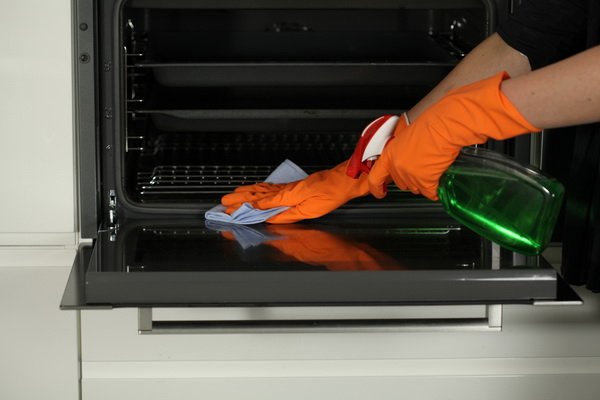
Oven cleaning can be quite laborious, so it stands to reason that there is a broad variety of equipment you need to use to get the job done.
These include:
Cleaning pads
For removing tough stains
Oven scrapers
For removing the even tougher and hard to remove dried-in food debris.
Protective clothing.
Self-explanatory this one.... You need these to keep your clothes protected from cleaning chemicals.
Non-scratching cleaning pads.
When you're cleaning stainless steel, these pads are an absolute necessity!
Paper disposables
When you clean your oven at home, you'd likely use kitchen roll to remove the oven cleaner once it's done the job it's used for. Leave the oven cleaner to do its job, and then wipe it off with kitchen roll. The problem with kitchen roll for you is that it's going to be expensive. It'll drain your overheads if you try. Instead, because these are being disposed of anyway, you're next most economical solution is to use paper towels. You need to know what to look for as suppliers label these differently. Everything from wiper rolls, to paper towel dispensers, to hand towels and bumper rolls. Bumper rolls are really what they are but finding them can be tricky.
Whichever supply store you're searching for online, use the site search feature for the term “forecourt rolls” without the quotation marks and you'll get the best results. It sure beats searching for paper towels, when you get packs of 40 x 1 flat sheet paper towels for a hand dispenser. These paper disposables are available in rolls as long as 150m and are available in both 1-ply and 2-ply. The 2-ply being the more absorbent and, therefore, ideal for oven cleaning.
You can also buy easy load floor dispensers to keep bumper rolls of your tissue on, making it easier and faster to tear off the amount you need.
Crimped wire brush
Once you've left the racks in the dip tank, you need to scrub them to get the debris removed. The crimped wire brush will work a treat at getting the last remaining debris caught between the rails removed completely, leaving racks looking like new.
Assortment of abrasive brushes
Brushes play a crucial role in cleaning different parts of the cooker. A wire brush is best for cleaning racks, whereas a medium bristle brush is best for getting loose debris removed, without causing scratching to metal surfaces. When working with wire brushes, never use them on non-stick surfaces as it will scratch them and damage the protective coating. For non-stick surfaces, use a soft-bristled brush.
Gauntlets
These are longer length gloves, and you need them to use your dip tank safely.
Safety gloves
For cleaning inside the oven, you will need plenty of clean pairs of gloves to protect your skin from coming into contact with the chemicals you'll be working with. You could also opt for a pair of think rubber gloves, which you can wash between jobs and re-use as often as you like.
Safety glasses
When you are working with chemicals, you must protect your eyes from any splashes. Without them,
you could be using emergency eyewash solutions far more than you should. Safety glasses are the answer to preventing you from needing to use eyewashes in the first place, but far better than that is the fact you can buy protective eyewear that has lights attached. Forget holding a torch in your mouth, while you scrub inside a dark oven. Totally unprofessional! Wear the protective glasses with the built-in LED lights, and light your working space up.
Razor blade scraper
It may sound a bit ludicrous to use a razor blade for cleaning, but it is something that once you try, you'll wonder why you hadn't done this before. This is quite handy for cleaning the glass on oven doors. You could spend hours scrubbing away at burnt on grime and get nowhere, or you could use a dash of baking soda, mixed into a paste and apply it to the glass, spray over it with vinegar, and take your razor blade scraper over the glass.
You will need to use plenty of tepid water to prevent scratching, and obviously take great care not to
push too hard on to the glass to avoid any scratches. The technique for using this method of cleaning
will be covered in a later module.
Microfiber cloths
You'll need plenty of these but don't use them for the cleaning. Use your scrubbing pads for that, and the cloths for drying the surfaces and buffing to a fine shine. Microfiber cloths are far more absorbent than any other material. These are best for drying, which makes them super as a last-minute buffer when you're about to finish the job.
Chemical spill kit
Wherever you are storing your chemicals, be sure you store a chemical spill kit along with them. Accidents can happen, and the last thing you need is for a couple of different chemicals to fall off a shelf, the bottles bursting open and the chemicals mixing. Then you will have a serious contamination problem, and likely some toxic fumes from the chemical reaction. Store a chemical spill kit with your cleaning products, and also keep one handy when you're on a job. You can never be over-prepared.
Screw driver with multiple attachments
For best results with oven doors, they are best removed. Most doors have multiple panels of glass, which you may need to remove to clean between panels. The above-mentioned equipment will be used for standard cookers. For cleaning the AGA range cookers, it is recommended you use the AGA cleaning brand range or all-natural cleaning products with a low pH level. This will be covered in a later module as these cookers require a completely unique cleaning approach, which is why there is a higher fee for this service. Module 8 will cover what you need to know about AGA and the AGA Rayburn cookers.
4.6: How to Use Your Oven Cleaning Equipment Correctly
Using your oven cleaning fluids and equipment correctly is essential for both great results and your personal safety. When working around chemicals, there is always a risk that you can cause damage to yourself.
Taking the right approach can never be understated in terms of importance. Each cleaning product you buy will have instructions for use provided with them. If you're using commercial-grade cleaning solutions (industrial strength) there will be a technical data sheet and a safety information sheet included, which you will need to read and follow the guidance provided. Safety eyewear and protective gloves must always be worn when you're working with chemicals.
4.7: Using Cleaning Fluids Correctly
Unless directed to do otherwise by the instructions on the cleaning fluid packages, you should always aim to use fluids sparingly. Overuse may cause damage to the surfaces you are working on or can leave unsightly marks as the fluids dry.
Always use a single direction for the fluids. For example, you can clean moving them away from you, rather than scrubbing in a random direction. Alternatively, use small circular motions. Again, this is about blending efficacy with using the right techniques for great aesthetic results.
Finally, always use a microfiber cloth to remove cleaner residue until it is as dry as possible. Doing this makes the surfaces you clean look great when you are finished.
4.8: Using Scouring Pads & Scrapers
Scouring pads are designed to lift off dried in food. Do not use them for large chunks, as this is what the scraper is for. To make scouring easier, spray the relevant surface with a little water or cleaner and leave it to soak in for five minutes before beginning.
Scrapers are designed to lift larger stains and dried-in food. As with scouring pads, you should add a little water or cleaner to the area five minutes before use for the best results.
4.9: Storing Cleaning Equipment Correctly
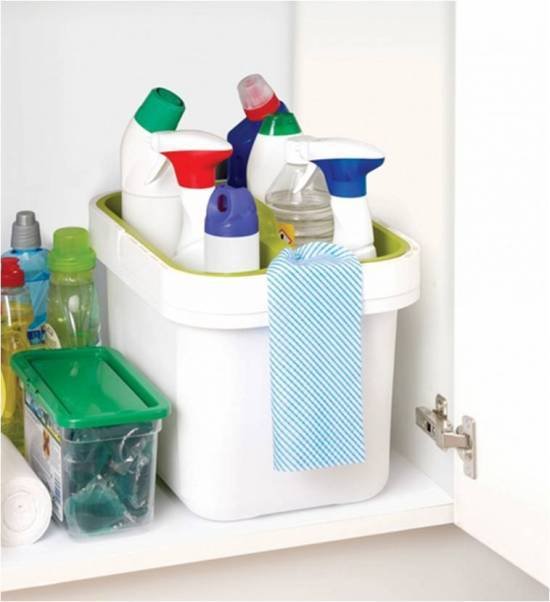
In order to ensure the safety of yourself and your employees, you need to store your oven cleaning equipment correctly. This will be outlined in more detail in the next module, but you can expect to take the following approach:
Try to keep your van and oven dip tray in a secured garage. In addition to this, both need to be insured appropriately. Finally, make sure you drive cautiously to keep you and your equipment safe.
Keep all chemicals under lock and key. This is especially important if you are at the beginning of your venture and storing chemicals at home. In addition to this, you should try to find a dedicated area for all chemicals.
Only one cleaning solution EVER per bottle. Spray bottles are great for convenience, but they can sometimes be too convenient that when one bottle is finished, you use it for another solution you need to make up.
Mixing chemicals produces vapour's. Sometimes toxic. If you are mixing solutions, always label your spray bottles for the cleaning product it is used to store. Individual spray bottles are available for purchase, and you should keep a few unused spray bottles, so you never need to mix a solution in a spray bottle that's previously been used for something else. It should go without saying that chemicals should be kept away from pets and children. This is especially important if they are being stored within the home itself.
.svg)



