
14.1 Introduction
There is always a need for cleaners within the commercial sector.

As new buildings and businesses open the opportunity for large cleaning contracts grows simultaneously. As long as people continue to work in offices, there will be a need for someone to clean up after them.
If you decide to offer your cleaning services to the commercial sector, many of your jobs will take place in offices or office buildings.
These jobs seem comfortable because you are far removed from the difficulties of working in the hospitality sector. Unlike in pubs, clubs or even restaurants, people who spend their days in offices are expected to care more for their environment. While many of the tasks you have to complete may seem easy or feel like common sense, it is a good idea to know where to begin to ensure you do not miss anything.
In this module you will learn more about the daily life of an office cleaner and see how commercial cleaning can differ from other sectors of the cleaning industry.
14.2 Clearing Up Rubbish
There will be more rubbish in a typical office than you may have expected.
Throughout the day, a typical office worker will snack and eat lunch in their office. Factor in the waste, the scraps and the different papers that are lying about and you will quickly realise there is a lot to do.
Thus, clearing the rubbish will be one of your primary jobs as an office cleaner.
Emptying waste bins as well as changing waste bin bags on a daily basis is essential. However, you also need to make sure the bins themselves are clean. Bin bags break all the time and you never know when someone has binned a full cup of coffee without pouring it out. Thus, you should aim to clean the bins with cleaning fluid on a weekly basis. This prevents them from smelling and keeps them looking clean.
Office rubbish is not only to be found in the bins. People will sometimes throw their rubbish wherever they see fit. Because they are busy and do not have to clean up after themselves, they will not always be bothered about making sure their rubbish goes in the right place. Thus, you will have to search the office looking for rubbish, to make sure you collect it all.
- Behind computer screens and PC towers
- Under desks
- Around windows
Also, be careful not to invade anyone's personal space when on the hunt to fill the bin bag. Do not dig through desks to get at wrappers or water bottles. Stick to collecting rubbish from hallways, common areas and under desks.
14.3 Cleaning Staff Toilets
Cleaning office staff toilets is likely to differ from cleaning toilets in domestic households.
Unlike a domestic property, these toilets will be used several times a day by various people. Plus, you will have several toilets and possibly several bathrooms to clean. All of these need to be cleaned daily, if not several times a day.
To ensure you clean office toilets properly, take the following approach:
First, empty out most of the bins, leaving one or two behind in case you encounter any new rubbish.
Emptying the bins first is logical. If you start to drag a dirty bin bag around the toilets after you clean them, you are only going back on yourself in terms of cleanliness. This is especially important in the ladies' toilets, where bin bags may contain sanitary products.
Second, start cleaning the toilets. Fill the toilet bowl with cleaner or bleach and leave it to soak in the toilets, while you scrub down the sinks. This gives the cleaner or bleach a chance to work and will make scrubbing them easier. It will also kill bacteria, which is essential in public restrooms.
While the bleach is in the toilet, take this time to scrub down the sinks. Spray sinks with the bathroom cleaner and then use the appropriate cloths to wipe them down. Make sure you wipe down the faucets as well. Look at the outside of the sink basin to make sure you get this area clean also.
Then clean the toilets by scrubbing the bleach you have left to soak in. Wipe any rims you can access, clear dust and debris from the top, and change the toilet roll. Make sure you clean the outside of the bowl when necessary. Leave toilet blocks and urinal blocks in each one to ensure they smell pleasant.
After the appliances are clean, check the bathroom for dust. You will find some areas to dust in any toilet, even when you are in an office environment. This is because the ventilation system spreads it around. Make sure you check doors and high corners for any dust or cobwebs. You do not need to do this daily but you may want to do it once a week, or once every two to three days.
After the dust is removed, begin cleaning the glass, using glass cleaner to tackle the mirrors and windows. Cleaning the mirrors on a daily basis is essential because it ensures you remove cough and sneeze particles. You are not just cleaning the mirrors so they look good, the mirrors need to remain hygienic as well.
You can then start wiping down the stall walls, using a general bathroom cleaner and a cloth. Make sure you wipe down every side of the wall. If the wall behind the toilet is a tiled area, you may want to use tile or grout cleaner, to ensure that wall is also hygienic.
Once the rest of the bathroom is clean, it is time to clean the floor. Begin by dusting and picking up any rubbish or litter. Then sweep the bathroom to pick up as much debris as you can. Using a vacuum is also a good idea because it picks up the small particles you may have missed with the broom and dust pan.
Finally, you will mop the floor. In a commercial bathroom you will generally use special floor cleaner. Mix it with water and mop the floor. Make sure you put out the caution signs after you have mopped, so that the office workers know that the floor is wet.
After everything is done, spray the bathroom with air freshener. This should be a few sprays only - do not spray an excessive amount.
14.4 Cleaning Lifts & Stairs
Never neglect the lifts and stairs when you are cleaning an office.
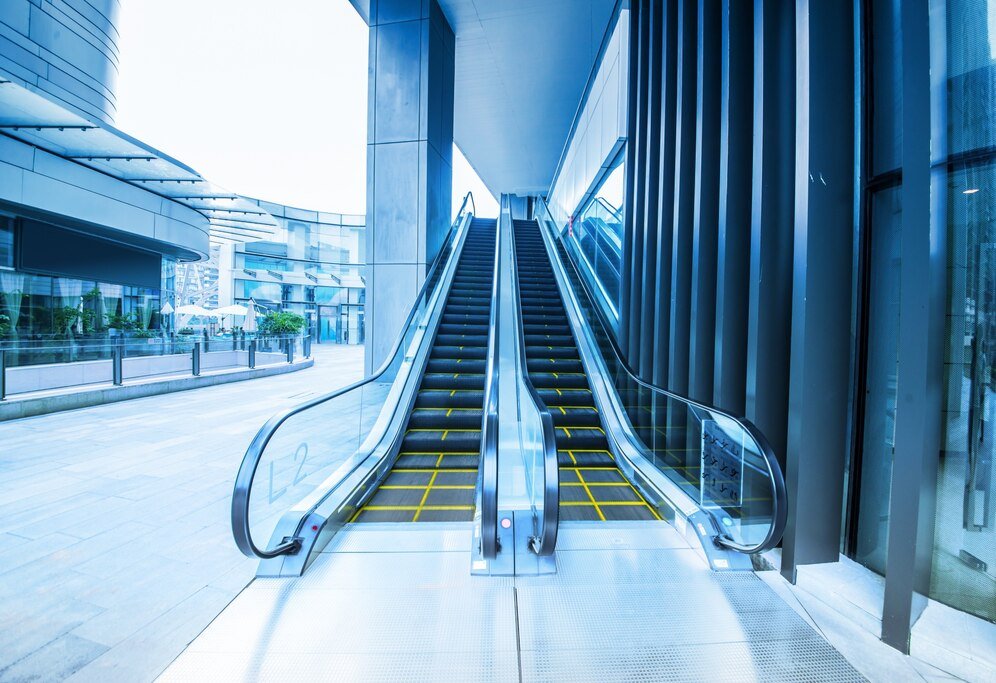
These are important areas that the business owner's clients and investors will first encounter when they arrive at the building. It is an extension of the business' front door. You need to ensure these areas are clean enough to always create a good impression.
Office Stairs
When tackling the stairs, you need to have a good eye for the smaller details.
Look around the walls to see if any coffee has been spilled on the paintwork. Check out the skirting boards to see if they are in need of a dust. Check the stairs themselves to see if anybody has walked any mud or dirt into the building. Always address these small issues before you move onto the bigger tasks.
When you do move onto the bigger tasks, you need to ensure the job is as comfortable as possible. Because the size of offices vary you have to adapt your typical methods for more practical ones. For example, you might use a handheld vacuum cleaner when dealing with a large number of stairs to avoid dragging a large vacuum cleaner up and down several flights of stairs.
However, make sure that the way you adapt your methods does not hinder the performance. Avoid using less effective measures just because they are easier. This always takes longer in the end because you have to go back over things and if you miss something, it reflects badly on you.
If the stairs are not carpeted and you need to wipe them down, always use appropriate signage to ensure you do not injure anybody. Ideally, you will complete this task when other workers have left the building, because this is the safest time to do so.
Finally, do not neglect any windows you find along the stairs. Dusting, using cleaning spray, and cleaning the glass ensures you get the best results.
You may need to clean the stairs daily, a few times a week or once a week. This will depend on how many people use the building and how much time the building manager has contracted you for.
Once you have completed jobs in the same place a few times, you may find that you do not need to do it as often as you think. You will also have found ways of working more efficiently, even in these large areas.
Cleaning Lifts
Because of the poor ventilation and the number of times they are used each day by different people, lifts can get dirty fast.
When you clean a lift, consider where dirt is most likely to infiltrate. As most lifts have mirrors, you will need to clean these on a daily basis. You also need to vacuum the floor and dust along any metal work.
Also, take a close look at the buttons. Make sure you dust and wipe them down to remove any dirt or grime that has built up over the day.
14.5 Cleaning Hallways
Office hallways often appear desolate, yet they are just as important for creating an image as the stairs and lifts.
People walk through them on a daily basis, which means most of the attention you give to an office hallway will focus on the floor.
Here is a great way to get excellent results:
Walk along the hallway and see what needs attending to. If you are lucky there will just be general dust and debris. However, you may also find that someone has brought in mud. Addressing mud and other substances before you vacuum is essential.
Start by sweeping up any large debris in the hallway. Then vacuum the hallway to pick up small debris. If the hallway has a tiled or laminate floor you should mop it as well. If you are mopping remember to place the appropriate caution signs to warn people that the floor is wet.
Once you have the big area finished, work on the smaller areas. Dusty areas near the floor can still leave a bad impression with clients and visitors, and when you allow dust to develop for too long it can soon become difficult to remove. Make your job easier by regularly taking a duster to the ceiling, the skirting boards, the doorways and any corners.
Check the paint work just above the skirting board. If there are any issues, attend to them yourself or point them out to the building's maintenance team.
Also, office hallways are often where vending machines are kept. You need to check the walls around them carefully, especially if they dispense drinks. Look at bins too; if an office worker has thrown an empty package into a bin and the area above it has been dirtied, it is your job to clean it. Finally, clean the vending machines themselves by dusting off the machine and wiping up any spills.
14.6 Cleaning Office Desks
Finally, you need to address the areas where most of the action takes place: the rooms where office workers operate.

Initially you need to look at the office desks. Look out for spillages, rubbish you may have missed, and stains on chairs. Do not touch any of the electronics with cleaning fluids, as you do not want to be responsible for anything that gets broken or becomes faulty.
To make cleaning the work area easier, consider going around and resting the chairs on top of tables. Doing this before you sweep and vacuum ensures you do not miss anything. It also allows you to move faster.
Take a look at skirting boards and window ledges. In most cases, you will not need to address these fully on a daily basis. However, it is a good idea to look out for dust that has built up and spillages that have occurred. In addition, you need to clean the inside of the windows themselves every so often.
Look over power sockets and light switches as well. Dust them off to keep them clean. If grime or dirt has built up on them, spray some cleaning fluid on a cloth and wipe them down. This helps keep them hygienic as well.
In some premises you may find that there is an office kitchen. Address the kitchen as you would any other kitchen. A good rule of thumb for dealing with office kitchens is to create a system for keeping the fridge clean. If the fridge is your responsibility, create a day where anything left in the fridge will be thrown out. This will encourage the workers to either finish their food or throw it out themselves. It prevents old and perished food being left in the fridge which can cause bad odours.
Before you clean the fridge, discuss with the office owner whether they require you to scrub down the inside of the fridge. If you do this, pay close attention to where food was placed, as office workers may assign themselves particular shelves, especially in small offices.
Then wipe down the tables and chairs. Dust off the cupboards and appliances. Clean the microwave and empty the toaster tray, should these appliances be present. Remove any limescale from the office kettle every once in a while. After all this, you can clean the floors of the kitchen.
You then need to apply some finishing touches to the office you clean.
Opening windows as you move around the office removes offensive odours and ensures cleaning fumes have dissipated before the next working day. Consider using air freshener, however, use it sparingly so that it masks or destroys any odours but does not become powerful or overwhelming. This is especially important in the office area itself because it can cause people to get headaches or feel ill.
Adding these little touches to the offices you clean will help you develop a great reputation.
Module Summary
Cleaning an office is often considered to be much easier than cleaning in a hospital, but as with all cleaning jobs attention to detail is still necessary.
Cleaning an office will present different challenges but generally you will benefit from being in a controlled environment.
Remember that workers can leave their rubbish in all sorts of strange places. It is important that you locate and clear all rubbish left behind, without throwing out anything important.
Just follow basic rules of common sense and you will be able to win and keep valuable clients.
.svg)



