
3.1 Introduction
You are only ever as good as your equipment.
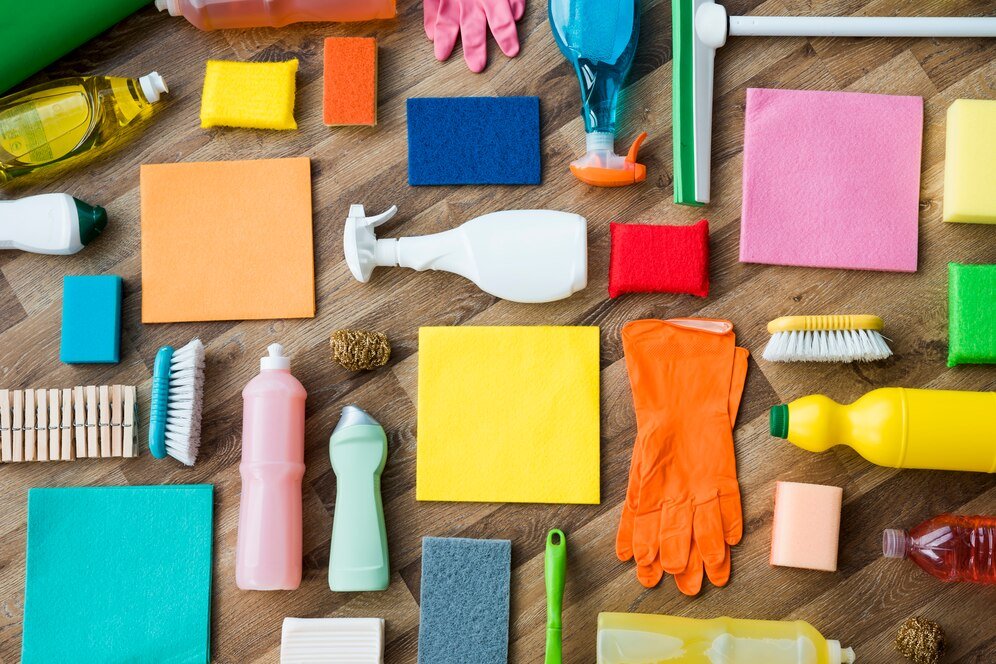
Choosing the wrong equipment can compromise the quality of your professional results. You need the best, however, the best is not always the most expensive. You can often find your required equipment at a reasonable price. This module will explain all of the basic cleaning equipment needed for different jobs.
3.2 Budgeting for Equipment Purchases
Before learning about the equipment you need for a cleaning business, you have to know how you are going to buy the equipment.
Finding the best prices will take some effort though, and possibly even some connections. Investigate what the equipment costs at retail value to help you identify a better deal. Wholesale equipment suppliers are a great place to find the cheapest price, or you can purchase second-hand from within the industry. The equipment you list for your start-up costs will determine the type of niche cleaning area in which you will start operating. For example, investing in carpet cleaning equipment can be expensive, whereas a lower start-up option
would be an ironing service. Putting aside a percentage of your profits to invest in more advanced equipment will allow you to expand your services and increase earnings.
Think About Money Strategically
Ironing will be the lowest start-up cost in comparison to any other niche cleaning business. Many independent cleaners would have started out with a simple-to-operate ironing service business, and progressed to more intensive cleaning services from there, had they had known just how inexpensive the initial start-up costs were. The alternative to starting with your own cleaning business is to gain experience in an employed position, put some of your earnings aside and then invest further along in your cleaning career. Work experience is never a bad
thing - it can build your skill set and help you build connections within the industry. If you do go into business for yourself and find it is not what you expected, you can always use your contacts to return to the employment sector. It is worth considering these things before you launch your venture, especially if you are new to the cleaning
industry.
Please note that the equipment you will need will not change, but the prices listed in the following sections are
certainly subject to change.
3.3 Self-Employed Domestic & Business Cleaning Equipment
As previously discussed, each sector of the cleaning industry - depending on your service and who your clientele is - will have different equipment needs.
This section will discuss the appropriate tools you require. Equipment for General Cleaning Services
Personal Vacuum Cleaner
This purchase will depend on your clientele. Though some domestic clients provide this, you cannot rely on all of them doing so. Think about where the majority of your clientele are - if they are centred in a city location with limited living space, chances are few will have a vacuum cleaner in their closets. Business and commercial clientele will most likely provide the equipment for you, but some clients may not. A professional vacuum cleaner can cost between £150 and £400.
Mopping Kits
Again, some households and commercial clients may provide these, however, not all do. Commercial grade mopping kits make draining the mop easier and last longer. These can cost around £70-£100, and will survive several years of frequent use.
Brooms
Industry-standard broom heads makes tackling kitchen and bathroom floors easier for both houses and office
spaces. These can cost around £20 per head.
Dusters and Polish
You can expect to pay £3 per 10 dusters and £1.50 for a can of furniture polish or wood polish.
Cleaning Chemicals
This includes floor cleaning fluids, bleach, multipurpose cleaners, and bathroom cleaning liquids. In many cases, multipurpose cleaners will suffice but you should invest in decent drain cleaning fluid for blockages, to ensure that the client's pipes are draining properly. For 10 litres of multipurpose cleaning fluids, you may pay around £5.00.
Carry Trays

Carrying fluids and other cleaning products around is much easier with a carry tray. These can allow you to store between 6 to 10 bottled products per tray, as well as several smaller cleaning tools like sponges and scrub brushes. A decent carry tray should not cost more than £3-£5.
Glass Cleaners for Windows
Glass cleaner costs around £2-£3.
Screen Cleaners
For televisions, PCs, and laptops. Expect to pay around £4-£5 for decent screen cleaner.
Deodorisers and Air Fresheners
Air deodorisers and air fresheners cost around £3-£5.
Steam Cleaners
This is not essential for superficial cleaning, but if you want to offer a deep cleaning service, you need to invest in one. Expect to pay £240-£900 for a commercial grade steam cleaner.
Gloves
As you are working with chemicals, and often hot temperatures, you must have gloves for each job. You can purchase medical grade gloves for around £4.50 per box.
Hand Sanitiser
For a small cost you should purchase and use hand sanitiser between dirty tasks to ensure proper hygiene, especially if you are ill.
3.4 Window Cleaning Equipment
Window cleaners require specialist equipment that general cleaners do not use.
This job involves specialised tasks in high places, so investing in the safest equipment is an absolute necessity. The equipment list includes:
Ladders
Expect to pay at least £100 for a professional ladder.
Pressure Cleaners
Expect to pay at least £300 for professional pressure cleaners.
Gutter/Fascia Cleaning Kits
This is an optional equipment piece that you can invest in if you want to offer gutter/fascia cleaning services. You
can pay upwards of £70 for a starter kit.
Window Cleaning Starter Kits
Starter kits contain scrapers, poles, cleaning fluids, and buckets. They cost around £35 on average.
Glass Cloths
You may pay around £5 for a large glass cloth.
Window Cleaning Detergent.
You can expect to pay around £6 for window cleaning detergent.
Water Fed Systems
Water fed systems are what you will need to scrub and rinse windows. They often have extendable poles that allow you to safely reach high places. You can pay around £20 for a water fed system.
3.5 Carpet Cleaning Equipment
To offer carpet cleaning services you can expect the cost of a commercial grade carpet cleaning appliance to be among your most expensive purchases.
This cost should be reflected in the pricing of carpet cleaning jobs, as they are among the most expensive services available from a domestic cleaning firm. That is why the cost is increased for this type of cleaning service. With the best equipment and appropriate use for superior results every time, this can be the best investment you make; gaining repeat customers and adding value to your bottom line.
Here is what you will need to offer this service:
Carpet cleaner
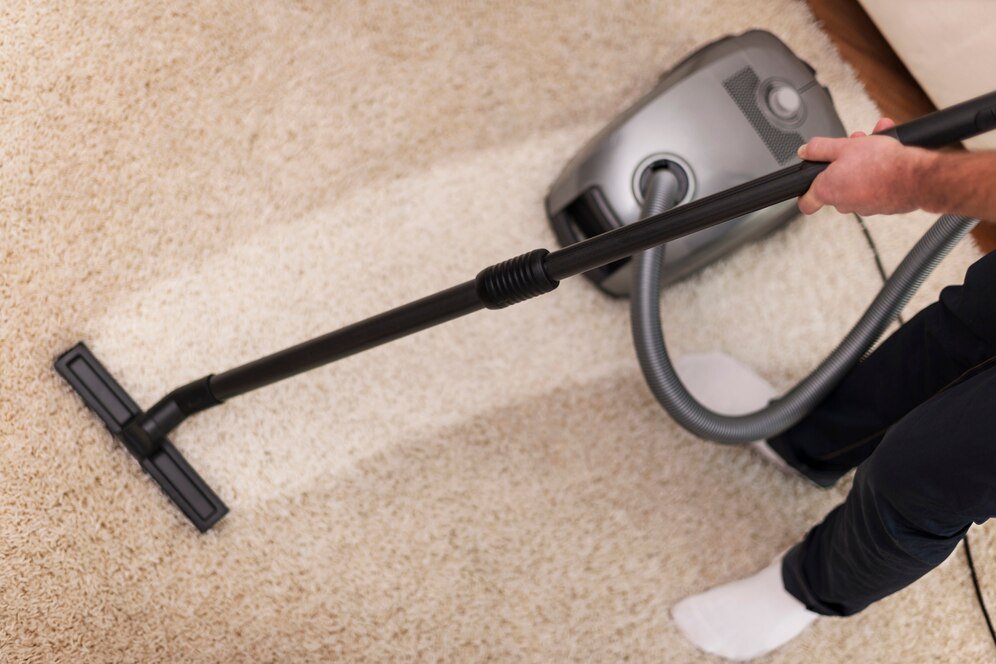
A typical carpet cleaner can cost from £450 and upwards of £900 depending on the size of motor, equipment and the warranty provided.
Upholstery brushes and carpet brushes
The price can vary between £10 and £20.
Sanitising and deodorising fluid
Most retailers sell this at £20 for 5 litres.
Stain removing fluid and pre-sprays
The standard price is £20 for 5 litres.
Professional carpet cleaning fluids
The standard price is £20 for 5 litres.
Upholstery cleaning fluids
Usually purchased for about £5 for a litre.
3.6 Ironing Business Equipment
To operate a commercial ironing service you need to use commercial equipment. This must be designed to operate in a commercial environment and engineered to operate for longer time periods than any domestic product. While start-up costs for an ironing service are lower than other types of services, you still need to invest in the best of ironing service equipment. This will ensure a quality service business that will attract more clients, eventually leading to further financial success and business expansion. To provide a quality ironing service the following equipment will be required:
Professional iron
Sold for £90 and upwards.
Professional steam generating ironing board
Can be purchased for £200.
Professional ironing board (non-steam)
Can be purchased for £75.
3.7 Equipment Needed for Employed Cleaners
If you choose to work in an employed position, the equipment needed will be minimal, and most employers supply everything you need to do the job you are hired for.
However, there are some items that you may want to have at your disposal, as not every employer will provide these items:
Hand sanitiser
Not all employers provide this, and you should use it after cleaning toilets for your own hygiene and safety. This should be provided as part of health and hygiene requirements, but there are smaller firms who will not provide these. For positions where you are cleaning toilets, it is an essential item. You may be able to make a request to your employer for hand sanitiser to be provided.
Gloves

The most cost-effective gloves that employers provide for their cleaning staff are vinyl and latex. Most of these types of gloves can be powder coated, allowing them to fit to the contours of the hand, making it easier to get cleaning chores done.
Vinyl gloves are adequate for small cleaning jobs, and often do not have an effect on people with allergies. Latex, on the other hand, does, so you may find that you will need to switch the type of gloves you use during your work.
A more specialised type of glove is made with Nitrile. These gloves have the durability that latex gloves offer, without the risk of allergens.
If you find that the gloves you are provided with are causing skin problems, it may be the type of glove. You may be able to request a different type of glove from your employer, but due to the costs involved they may opt for the vinyl option rather than latex. If you prefer the added comfort of the more expensive Nitrile gloves, you may have to cover the expense yourself.
Hair Net
This is optional, and employers who require them will provide them. However, if you 'moult' (shed) a lot, you need to use one to make sure you do the job adequately. Hair nets are usually required when you are working in a kitchen environment. For any area involving food contact surfaces, hair nets are worn for health and safety reasons. For those with longer hair, it is also handy to wear a hair net in order to prevent any cleaning chemicals coming into direct contact with your hair. This will keep you and others safe from harmful chemicals found in the cleaning products you use.
Mobile Music
A bit of music can make your working day go by so much quicker, and give you the motivational power to get more done in less time. Not all employers allow this depending on the workplace as it can pose a safety risk, so you are best to make sure their company policy allows the use of personal audio equipment.
3.8 How to Use Equipment Correctly
Knowing how to use your cleaning equipment correctly can make all the difference to each job. A brief overview of how you can use vacuum cleaners, steam cleaners, window cleaners, and irons is essential for any developing professional cleaner. These rules apply to those who are employed and self-employed, especially if you wish to progress your business or enhance your employment prospects.
Vacuum Cleaner
Vacuum cleaners usually come with a large head, a smaller brush for corners, and a small funnel head for reaching under furniture or ceilings. When working the vacuum cleaner, remember the rule of what goes up must come down. Use the accessories you have for the vacuum cleaner to make reaching high places safe and easy. Professional vacuum cleaners will carry all accessories, such as high reach wands, dusting attachments and more. Whatever your machine has, make yourself familiar with each attachment. There is no point in vacuuming the carpet only to proceed to higher areas of a room afterwards - this will move dust and dirt from the higher places back to the floor, requiring the carpet area to be cleaned again. You should begin your work at the top of the room. Ceilings are prone to spiders gathering in dark corners and building theircobwebs.
Use the high reach wand to break down cobwebs, and the dust attachment for vacuuming around light fittings, along the tops of window frames, and side panelling. The small brush head can be used to move around the room's edges. Use it for cleaning around the skirting boards and door panel frames. The smaller head can be used to get under sofas, cabinets, and other furniture that has dust gathering around the edges. You should also use the smaller head when working around the edge of stairs. Slimmer attachments can be used to get deep into the crevices of skirting boards and door panels. When you finally get to the flooring, begin at the end of the room farthest from the door, as that will avoid the dust being trailed back over the area. Use clean, single swipes. Make sure your machine head is flat for carpets and slightly raised for tiles and stone floors. This is especially important for carpets that are plush and visibly show erratic cleaning methods. Only after all the dusting is done in a room, including vacuuming from the top to bottom, would you then proceed to vacuum the floor. Begin from the furthest point of the room away from the door, and finish your vacuuming at
the entrance.
Steam Cleaner
Always pay close attention to the temperature, as steam cleaners use very high temperatures. Never apply direct hot steam onto a cold glass surface, as that can cause the glass to shatter. The same precaution should be taken with frames and mirrors. Always start your work with the lowest temperature setting.
For ovens and hobs
Use small steam cleaner heads to apply pressure to the edge of cooking rings and ovens. After doing this, wipe away the dirt and reserve the cloth for later cleaning. Use a slightly larger head to clean the remaining area.
Inside windows
Apply a cloth over the steam cleaner head and wipe it across the windows while at full heat. Complete the process by using glass cleaner with a microfibre cloth.
Hard flooring
Use a floor head and move across the floor in brief sweeps. If you apply a steam cleaner to a floor for too long you can damage the grout. If there is dirt gathered in the corners of a floor (as so often happens in kitchens) scrub it first by hand, then use a smaller pressure head to remove it. You will have several different attachments with steam cleaners, and you are best to use the nylon brush attachment to steam clean the grout first, and then use the flat floor head to steam clean the floor surface.
Taps
Taps are often difficult to around, as they gather dirt when not cleaned adequately. Use a detailed pressure nozzleto tackle around taps, before wiping away dirt with a cloth.
Curtains and sofas

Use an upholstery tool at a slightly lower heat setting to tackle curtains and sofas. This will avoid damage to the fabric.
Window Water Fed Pole Use
When using window water fed poles you need to engage in strong fluid movements. Move your body up with your arms rather than relying on your arms alone; this prevents you from tiring. Also, be aware of your back; try to bend your knees as you move, to prevent backache.
Begin by moving upwards once, and then downwards. Always repeat this process exactly to minimise the risk of watermarks. Complete the process with a large microfibre cloth if you can.
3.9 Storing Your Cleaning Equipment Safely
Safe storing of cleaning equipment is essential.
Chemicals can disintegrate when exposed to certain degrees of light and heat that could pose serious health risks, which means it is your duty to take good care of them.
Storing Chemicals
Always keep them in a cool and dark place where they cannot be accessed by children or pets. Although light and heat do not interact with all chemical compounds, they can react with some. As a result, they may not clean as efficiently. This then presents hygiene hazards for your clients.
Storing Machines
Keep them in a cupboard away from children and pets. Never leave items stored in your van or car overnight, as they may be stolen. Ideally, you will keep all items in a dedicated cupboard or storage area. Doing this ensures everything remains safe and not hazardous.
Module Summary
In this module you have discovered exactly what equipment you will require for a wide range of cleaning jobs, from window cleaning to carpet cleaning. Remember that, no matter what type of cleaning tasks you undertake, having the correct equipment is essential to attaining the highest of standards. This module also covered the importance of storing your equipment safely. You should put a great deal of thought into the storage of your equipment not only because incorrectly stored equipment can cause damage, but also because improper storage of chemicals can cause undesired results. We will study this in more detail in the next module.
.svg)



