
9.1: Cleaning Products & Clothing
Choosing the right cleaning products and clothing for your cleaning business is not just about being organised.
The clothes you choose to wear also speak volumes about how professional you are.
Selecting branded clothes presents a business-like appearance. In addition, choosing the right products and clothing helps you stay safe. Knowing more about what to buy before you start your cleaning business will set you off on the right foot.
9.2: Clothing: Should You Brand Your Clothes?
Whether or not you need to brand your clothes as a cleaner depends on how you are operating your business.
If you are primarily working for other people, you should not wear branded clothes.
Wearing branded clothes when performing work for others can confuse the client. However, if you have your own business to promote, wearing branded clothes is necessary.
You may be concerned that branded clothes are expensive, however, that is not the case. Prices will vary between suppliers, but a t-shirt printed with your logo on it can cost from as little as £3. In addition, you can purchase pinafores and sweaters for between £5 and £10.
Having your own logo presents a professional branding presence, and does not have to be costly. You can design logos for free online or use a site like Fiverr to keep the costs low. Taking a price-savvy approach allows you to look professional, for less.
If you do choose to brand your clothes, make sure the logo matches other elements of your business branding. This should include any signs you use on your van, logos used on your website, and business cards.
Consistency is key to maintaining your brand's identity.
9.3: Clothing: Which Cleaning Clothes Will Keep You Safe?
After considering the branding of your clothes, you need to think about what will keep you safe.
Let's work from top to bottom:
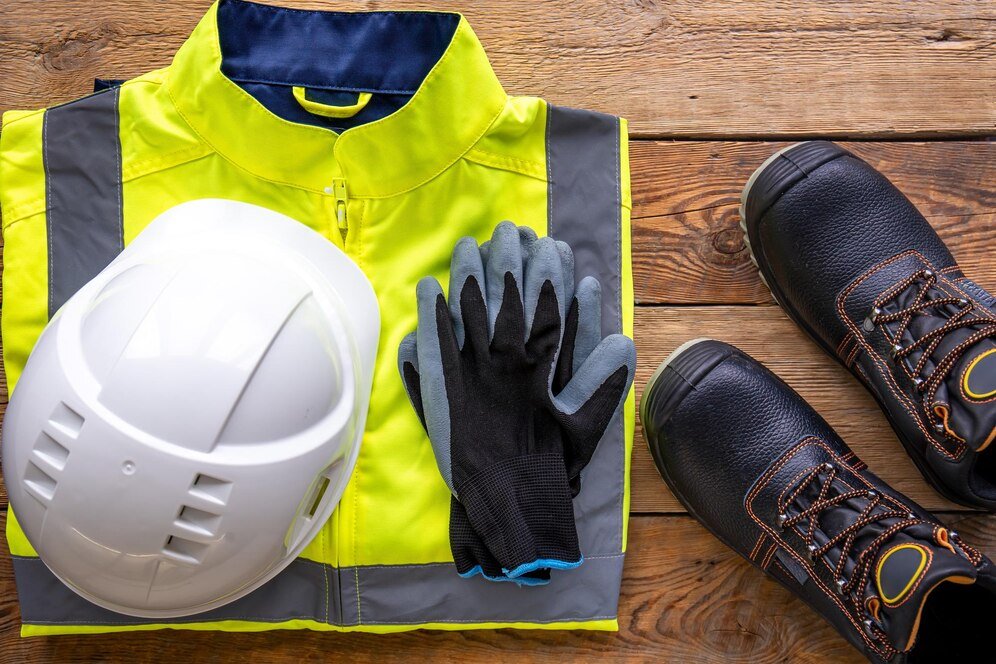
- Glasses and Goggles: Whether or not you choose to use glasses and goggles as a cleaner should depend on what you are cleaning. If you are cleaning an oven as a professional oven cleaner, they will prevent noxious substances entering your eyes.
- Aprons and Pinafores: It is recommended that you wear an apron or pinafore with each job. It protects your other clothing and provides somewhere to carry basic implements.
- Loose, Comfortable Clothing: Keep your clothing practical, loose and comfortable. Doing this helps to keep your body cooler and more comfortable while working, which will help you be more productive.
- Gloves: Wearing gloves when you are cleaning is always necessary. In the interest of keeping the areas you are working in hygienic, consider using disposable gloves. However, if you are working with a steam cleaner you should use thicker gloves to avoid scalding your hands.
- Shoes: As with your clothing, your shoes need to be comfortable. You may want to consider 'Crocs', which are used by a lot of healthcare professionals. Not only are they comfortable but you are far less likely to slip in them, than when wearing most other types of footwear. In addition, you are less likely to develop blisters and they provide great support for the plantar arch of your foot. Naturally, this means you stay as comfortable as possible during your work.
9.4: Basic Cleaning Products for Professional Cleaners
Cleaning products are the staple of your business.
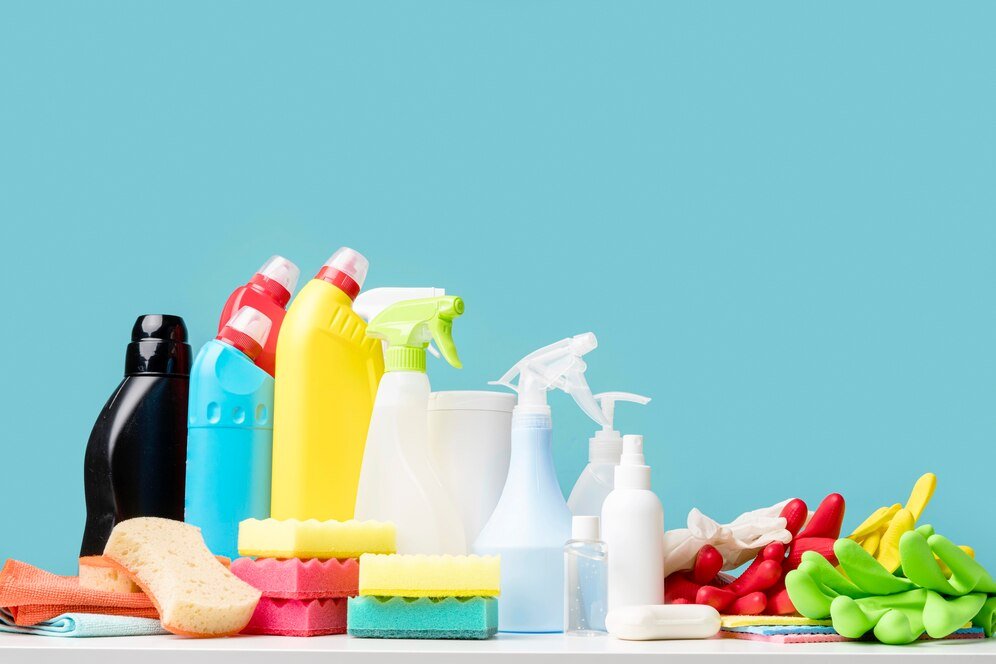
Before you consider purchasing cleaning products you need to locate a wholesale source. Doing this ensures you do not spend more than you need to. The more you purchase your products from supermarkets rather than wholesalers, the less profit you make.
Bleach
Every cleaner needs industrial bleach.
You may not use it on many surfaces, but it is most effective for toilets, floors, and cleaning in commercial areas. With the exceptions of cleaning a toilet or unclogging a sink, you will not use bleach in its purest/undiluted form.
All-Purpose Cleaner
All-purpose cleaner is another must-have product.
You can use it on multiple surfaces, it usually smells great, and it kills bacteria. You can purchase this cleaner in bulk, but try to focus on finding one that has a great smell rather than just plumping for any old type. Leaving great smells behind leaves a smile on your customers' faces.
De-Greasers
Ovens and hobs are particularly prone to grease.
Unfortunately, all-purpose cleaner will not work at removing this grease. You will need to invest in a little degreaser, for these tougher jobs.
Bicarbonate of Soda
You may associate bicarbonate of soda with baking, but you should not underestimate its amazing powers when it comes to cleaning.
You can use bicarbonate of soda to tackle dried on food, lift stains, unblock sinks, and remove lime-scale. As with cleaning products, try a wholesaler to buy bicarbonate of soda in bulk. When you have it in your cleaning kit, you will be glad you made the effort.
Vinegar or Lemon Juice
Vinegar and lemon juice are both excellent for cleaning glass.
They also add a little shine to any metal surfaces, but dilute them to avoid corrosion.
Glass Cleaner
If you are not using the green cleaning approach, which is where vinegar and lemon come in handy, try a glass cleaner.
You can use glass cleaner on windows and mirrors.
Polishes
There are many different types of polish available, which can be confusing.
Brass polish and furniture polish are most necessary for cleaners. They tackle almost everything and ensure best end results.
Essential Cleaning Instruments for Cleaners
You may have the best cleaning products but you will not get far without the right equipment/tools.
You do not always have to buy the most expensive or fanciest equipment. However, it does help to purchase items that are industrial strength, as they will last longer.
Disposables
- Bin bags
- Disposable gloves
- Soft cloths
- Soft sponges
Obviously bin bags and disposable gloves are single-use items. However, it is more difficult to determine how often you use soft sponges and soft cloths. Use your common sense here; make sure you soak each one in hot water and an antibacterial solution between jobs. When it is looking worn, it is time to change it.
Cleaning Basics
- A bucket: for hot water
- A brush
- A mop
- A dustpan
- Soft cloths: for dampening and wiping down sides
- Soft sponges: for dampening and wiping down sides
- Microfibre cloths: for dusting and cleaning glass
- Feather dusters: for reaching dust in hard-to-reach places
- Wire wool: for tackling tougher dried on food
- A scraper: for tackling tougher dried on food
- Empty spray bottles: for spraying diluted bleach, vinegar, lemon juice etc
- A tool tray: for keeping your cleaning basics organised and carrying them from place-to-place
In addition, you may also wish to take some larger cleaning items along with you.
- Hoover
- Steam cleaner (Clients are not likely to provide this for you)
- Hand held vacuum for hard-to-reach places
9.5: Specialist Cleaning Equipment
If you want to go above and beyond for your clients, or you have sought out additional training to provide specialist services, you will need specialist equipment.
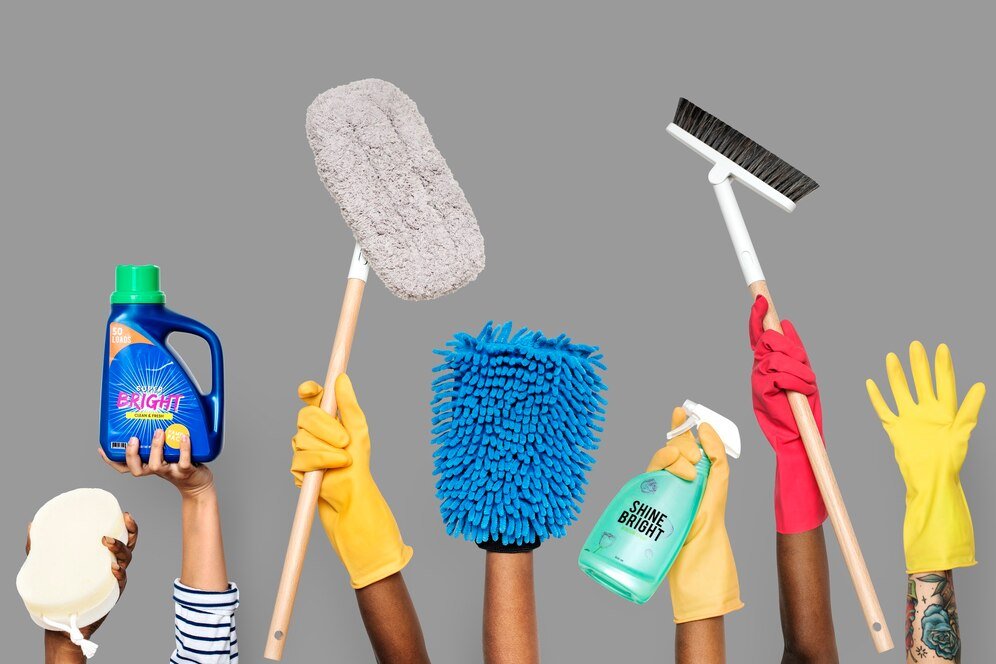
- Steam cleaners: While many cleaners now own small steam cleaners, larger ones are essential if you want to provide fully comprehensive green cleaning services.
- Oven dip tanks: Again, this is more for those who offer comprehensive oven cleaning services.
- A van: If you are going to use larger cleaning equipment, such as steam cleaners and oven dip tanks, you will probably need a van to transport them from place-to-place.
It may not be possible to purchase specialist equipment initially, however, as your business develops and income improves, you may be able to purchase these at a later date.
There are a couple of other things to bear in mind when choosing equipment for your cleaning business.
Purchase business insurance, to be covered against accidents. While you can control what happens in your home/premises, you cannot control what happens when you are out at work.
Open a business account with a wholesaler and buy your equipment through them. You can save a significant amount on commercial prices, which means more of your profits go back to you and your business.
Module Summary
The impact of the clothing you wear during your cleaning duties should not be underestimated.
In this module we analysed the types of protective clothing you will require to perform your duties.
We also looked at the additional benefits of branding your clothing.
We recommended purchase of relevant business insurances.
We advised opening an account with a wholesale company so you can purchase products at reasonable prices. Avoid supermarket purchases.
.svg)



