
11.1 Introduction
Naturally, cleaning a commercial kitchen is tougher than cleaning a domestic kitchen.
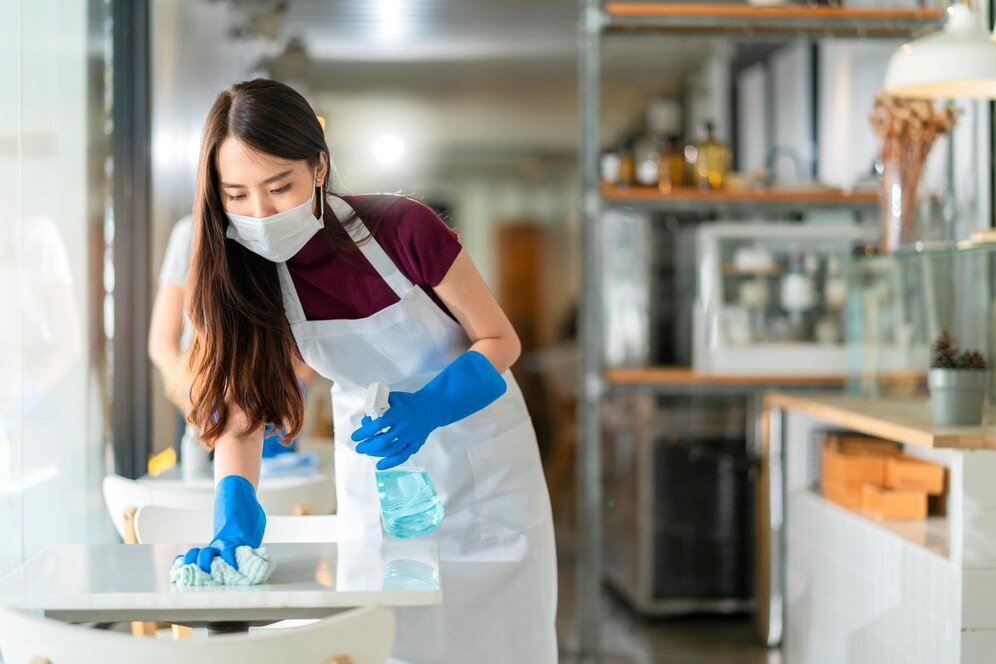
Far more activity goes on within them and more often than not they are much bigger in size. Commercial kitchens have many more people that use them both directly and indirectly. Direct users are those that work within them to produce food for sale, with indirect users being the customers that eat the products of the commercial kitchen. In essence, commercial kitchen cleaning takes a little bit more effort in the role of a cleaner.
Sometimes they are used from as early as 8 a.m. to as late as 11 p.m. As a result, there is more food debris, dirtier floors, and higher hygiene standards, because more people are working in them and even more people are eating the product that comes out of them.
Although commercial kitchens are tough to clean, they are great sources of work and income for cleaners. As such, commercial kitchens should not daunt you. Knowing what to do in advance and adhering to a strict routine and schedule can make your cleaning experience much more pleasant, and produce very professional outcomes.
11.2 Cleaning Commercial Kitchen Sinks
A sink in a commercial kitchen gets much more use than the one you use at home.
It is used far more on a daily basis at all times of the day. Many different bits and types of food get in them, many different types of equipment get passed through them, and they are often exposed to a lot of cleaning chemicals from soaps and bleaches. It is one of the most important kitchen areas that needs cleaning. If not properly cleaned it can harbour and spread bacteria to the very things it should be cleaning.
The chances are that it has seen a fair bit of food disappear down its pipes, from all of the daily washing that occurs. An effective drain net should catch all food bits, but you will need to test to see if it is draining properly. To do this, fill the sink with a little water, let it drain, and then decide whether you need to unblock it.
Next, ensure the sink is thoroughly cleaned, paying close attention to both the external and internal elements. Start with the sink itself by coating it with an appropriate cleaner, and then leave that to soak in as you scrub any food that is around the tap. Move onto scrubbing off the cleaner with a little wire wool, and wash it all down the sink.
Take the same approach for the draining board and any elements that surround the sink, to ensure adequate cleaning and hygiene. Check the grout is clean, removing any food debris. If any area is particularly tough then leave the cleaner to soak in and return to it several minutes later.
Finally, rinse the whole sink area with hot water. When the water begins to dry, wipe it down with a dry cloth to leave it sparkling clean - a microfiber cloth will give the most polished appearance. For extra clean results, spraying on a little vinegar and wiping that off too can add a little shine to the surface. It also works as a final antibacterial solution to leave the sink in a bacteria free state (a place that usually harbours many bacteria).
11.3 Cleaning Commercial Ovens and Cooktops
The majority of commercial ovens are made from stainless steel or some other form of metal. Many commercial ovens can have special functions and high technology incorporated into them to aid the food industry. Depending on the type of oven your workplace has, it may require specific cleaning instructions in order to avoid harming the piece of equipment. However, your employer and the oven's manual should provide the relevant instructions.
Cleaning the Cooktops
The procedure for most general commercial cooktops is similar. Begin by cleaning the hob. First, you must dismantle the hob, leaving the elements you have removed to soak, while you clean the surface. A great tip for doing this effectively is to use biological detergent, as it really does produce the best results.
Next, you need to scrub the burners. Do this by applying bicarbonate of soda and a little water. If there is cooked on food, make sure to let the mixture soak in before trying to remove it. When you are ready to wipe it off, make sure it is with a soft material - like a sponge or a cloth - so that it does not scratch the surface. Ensure you thoroughly wipe away all the grime and cleaning solution. Then move onto cleaning the remainder of the appliance with either vinegar or all-purpose cleaner. Any tough stains on the hob rack can be removed using wire wool or a scraper, if you are tackling thicker stains.
After you are finished cleaning the hob, return to the soaking elements and scrub them down too. Make sure they are clean by running them under a little water, the water should run clear.
Cleaning the Oven
Cleaning the oven itself is a difficult task because it has more restrictions for cleaning products than domestic ovens. This is because it is used far more and is liable for the food that comes out of it and is served to customers.
Oven cleaning is a necessary evil all cleaners have to face. In many cases you will not be expected to clean an oven unless you run an oven cleaning company alongside your usual cleaning venture, due to the specialised skills and knowledge commercial appliances demand. However, if you do, it is recommended that you leave the oven shelves to soak in your dip tank while you address the rest of the kitchen and the inside of the oven. This is a simple way to save time.
11.4 Cleaning Steamers and Other Kitchen Equipment
Cleaning Commercial Steam Ovens
You may find that the kitchen you are cleaning uses a steamer rather than just an oven. There is no other way to address an industrial steam oven other than to use a steam cleaner. Industrial steam ovens are usually large, which means you need to extend a steam cleaner to the back of the oven to tackle the stains and food.
Steam ovens are not as challenging to clean as standard ovens, so this is more of a hygiene exercise than anything. After steaming the oven, use scrapers and cloths to remove any debris and scoop it into a waste bin or bowl. If you leave the oven to dry out with the doors shut, it is likely to develop a foul smell and encourages any remaining bacteria in the oven to grow. With that in mind, always leave the doors open - this acts as a safety precaution too, as the oven cannot be turned on with the oven door open.
Cleaning Food Trolleys
Food trolleys carry the food to be served to the customers and also the dirty plates that come back from them. Therefore, your aim and responsibility is to ensure that your cleaning job removes all food particles and potential bacteria from the trolley.
This is how you make sure of that: prepare a bowl of hot soapy water and a cloth or sponge that is soaking in it. With the cloth, wipe off every surface, shelf and crevice of the trolley to remove food particles and stains. Scrub clean the handlebar of the trolley, too. Follow this with an antibacterial solution on all surfaces and leave the trolley to air dry.
11.5 Cleaning the Preparation Areas and the Sides of Commercial Kitchens
The preparation areas of the kitchen are the areas in which the staff of the establishment prepare and plate the food to serve to the establishment's customers.
These are areas that can have many stains on their surfaces and pathogens from contact with contaminated food and people. The sides/walls are where food splatters can be found, but also where dirt and grime can rest because this is where the waste areas usually are (such as recycling and rubbish).
The sides and preparation areas in commercial kitchens require close attention to detail because of these factors. These surfaces will probably have come into contact with a wide range of dangerous pathogens. You need to aim to kill that bacteria, leaving behind sanitised and safe surface areas, ready for food preparation.
The Procedure and Considerations
Begin by wiping down the surface with a cloth soaked in hot soapy water to help remove food particles, debris, and remaining stains from the days' events. Follow this regime by spraying an anti-bacterial cleaner over the surface you want to tackle. Make sure you cover all areas before taking a cloth to it, and let it sit for a minute. Next, dampen a clean cloth and wipe off the spray.
Your next task is to use hot water to wipe down the areas again. In most cases, the spray you use will remove harmful pathogens, however, there is always a chance you will miss something. Using hot water ensures you target everything, while also removing any harmful chemicals that could be within the antibacterial cleaner. Remember, the food people eat will be touching these surfaces, and eating pathogens or chemicals can compromise the health of the establishment's customers.
11.6 Cleaning Kitchen Floors
The kitchen floor should be the last element of the kitchen you clean.
It will most likely be the dirtiest element, as well. Fallen food will have been trampled on and many feet and other types of traffic will have trodden it across the floor during operating hours.
Begin by looking around the room for wet food that is not easy to sweep with a brush, nor easily picked up with a mop. Gather this food by picking it up with your hands and collecting in a bag, which you will dispose of when finished. Next, brush or vacuum the kitchen floor to remove every last scrap of food.
You can then begin cleaning the floor. Make sure you use tough cleaning fluids and plenty of hot water. You should begin in the part of the room at the furthest point away from the door, and end up finishing outside of the door way. This will allow you to leave no foot prints behind on the floor and also ensure that you do not slip on the wet floor. Be sure to leave a 'Caution - Wet Floor' sign in the room to communicate to anyone coming into the room that they should pay careful attention.
You may want to begin by working your way around the room with a hand-held scrubber to remove any dried on food stains. When you have done that, you can move onto mopping. Make sure your mop has plenty of material at its head. This is to ensure that you disperse enough cleaning solution but can also absorb it sufficiently, so as to not leave a wet mess behind. At the end of this task, leave the implements you use (such as, the mop or scrubbing brush) to soak in hot water for a little while. This ensures any pathogens they have picked up will be killed.
11.7 The Order by Which You Should Clean a Commercial Kitchen
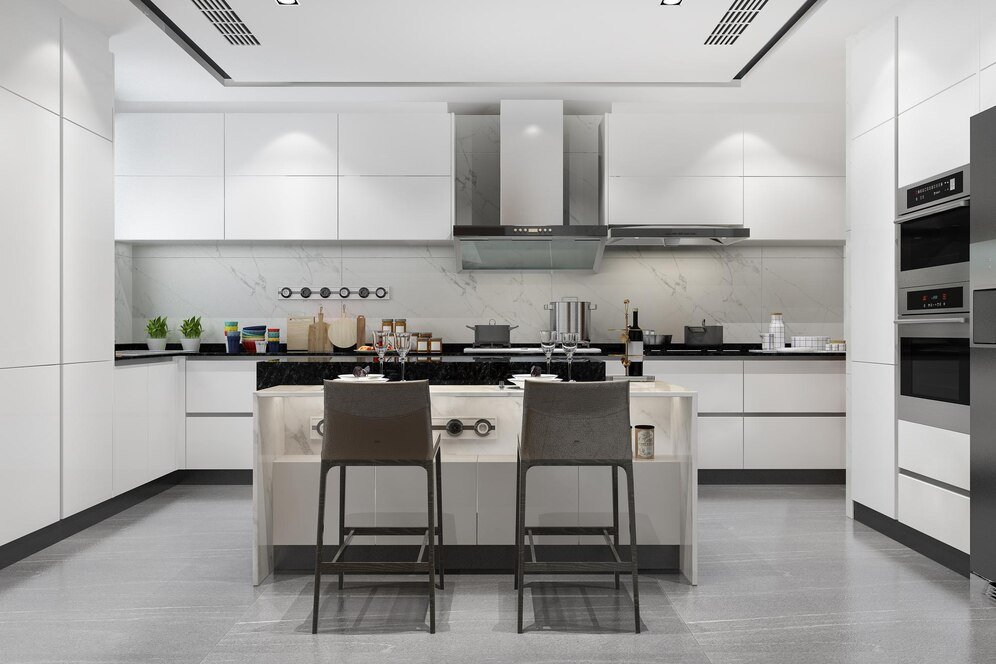
Having a schedule of what jobs to do when can help you effectively multitask and get the job done better and quicker; leaving you with more energy at the end of it all. However, this will vary between the tasks and requirements of the kitchen, and the different establishments you could be working for.
- Clean ovens, microwaves, and steam ovens first. Collect any large pieces of debris within these appliances and dispose of them. Any dust or small food particles are allowed to fall on the floor as you have not cleaned it yet. You are going to need to use the sink to wash down constituent elements.
- Choose whether to clean the sink or floors last. If you are prepared to wait a little while for the floors to dry, cleaning the sinks last is ideal because you can dispose of the remaining wash water from the floor cleaning down the sink, before giving the sink a complete and final clean. However, this can eat into the amount of time you can spend cleaning, with wasted time waiting around for the floor. In some cases, you may be able to reserve a sink, and clean that last. This said, cleaning the floor last and pouring the dirty contents down another sink (which you can clean by giving a quick and thorough rinse) is a solution to both tasks with good end results.
- Soak and leave cleaning fluids to penetrate while you address other areas. For example, if you need to clean an oven, allow the hob parts you have dismantled to soak before you clean the rest of it. This will make the task of cleaning these elements simpler because the water penetrating the grime will make the job easier and less of an effort.
11.8 The Cleaning Fluids Needed to Clean a Commercial Kitchen
In many cases, you do not need to use any more fluids, than you would for a domestic property.
Purchasing industrial bleach, all-purpose cleaner and cleaning instruments from a wholesaler is advisable. Not only does this ensure each item you choose is fit for the job, it helps you make the most of your profits.
You also need to think outside the box a little when it comes to choosing cleaning products. Bicarbonate of soda, vinegar, and lemons can act as an essential part of your arsenal. They are very inexpensive and can also be found easily in your establishment's kitchen should you run out of these substances last minute. While man-made cleaning fluids are excellent, these simple items will lift stains, unblock sinks and make surfaces shinier. They are also environmentally-friendly.
This said, your establishment will have food and safety requirements to abide by that are set by the government. These requirements have specific recommendations for cleaning fluids, particularly for kitchen surfaces. As mentioned earlier, these fluids are bleach (chlorine), iodine, and quaternary ammonium based solutions. While not natural, they give absolute antibacterial results that cannot be contended with by other more natural cleaners.
The risk of using more natural based cleaners that may not do the job cannot be taken in a commercial establishment where many people's health could be compromised.
Cleaning a commercial kitchen can take an incredible amount of effort. However, these institutions also command higher prices. Once you have developed little techniques for each of your clients, you can get the job done faster. Ultimately, this impresses them yet allows you to spend more time earning money elsewhere.
Module Summary
In this module we examined the differences between commercial and domestic kitchen cleaning. A commercial kitchen is used far more frequently that a domestic kitchen and therefore requires a more thorough clean; particularly because it is an establishment that will serve the public.
This module also focused on the different items that you may expect to find in a commercial kitchen and how you would best go about cleaning them. In particular, we found out about commercial ovens and preparation areas. Special attention should be paid to make sure pathogens are not spread from area to area by adhering to the cleaning guidelines mentioned in this module.
.svg)



