
MODULE 6: Decorative Mouldings & Arches
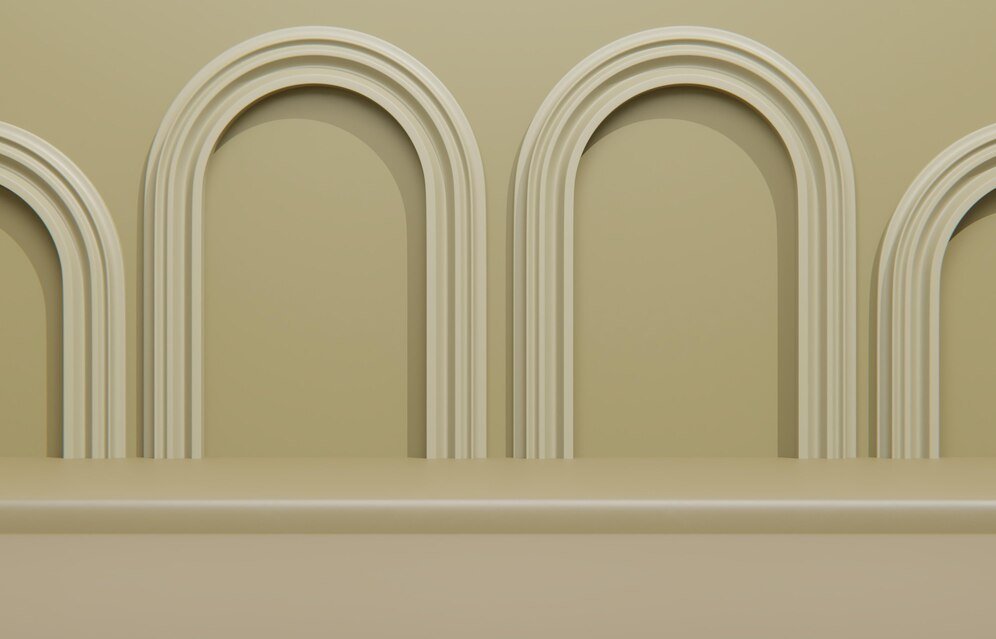
This advanced module covers the creation of ornamental plaster features - a specialist skill combining precision craftsmanship with artistic flair. Students will learn both traditional and modern techniques for enhancing architectural spaces.
A. Running Cornices and Coving
1. Understanding the Components
Cornice: Decorative horizontal molding where wall meets ceiling
Cove/Coving: Curved transitional molding between wall and ceiling
Profile Types: Classical (egg-and-dart), Victorian (acanthus leaf), Art Deco (stepped geometric)
2. Installation Methods
Traditional Plaster Method:
Create a running mold from profile template
Fix grounds (wooden battens) as guides
Apply 3-layer system:
Backing coat (coarse lime/sand mix)
Filling coat (fine aggregate mix)
Finishing coat (pure lime putty)
Modern Pre-formed Systems:
Gypsum-based pre-cast sections
Adhesive fixing with joint reinforcement
Seam blending techniques
3. Running Techniques
Maintain constant speed and pressure
Keep mold perfectly aligned to grounds
Work in manageable sections (1-2m)
Use mitre sticks for clean corner joints
4. Repair & Restoration

Historic cornice conservation
Missing section reconstruction
Surface consolidation methods
B. Forming Arched Openings
1. Arch Types and Applications
Segmental: Low-rise curve (Victorian doorways)
Gothic: Pointed apex (ecclesiastical buildings)
Elliptical: Gradual curve (Georgian features)
Jack Arch: Straight with curved soffit (industrial style)
2. Construction Process
Traditional Lath and Plaster:
Build timber centering framework
Nail laths at close spacing (5mm gaps)
Apply 3-coat plaster system:
Pricking-up coat (pushes through laths)
Floating coat (levels surface)
Setting coat (smooth finish)
Modern Drywall Method:
Cut flexible plasterboard to curve
Use track and stud support system
Scrim tape all joints before skimming
3. Forming Perfect Curves
Calculate rise and span accurately
Use trammel bar for consistent radius
Specialized tools: French curve rules, arch formers
Work from keystone outward in symmetrical arches
4. Decorative Arch Treatments
Applied moldings (archivolt detailing)
Recessed panels (coffer effects)
Polished plaster finishes (Venetian plaster)
Assessment Criteria:
Accuracy of reproduced profiles
Seamless joint integration
Appropriate material selection
Historical accuracy (for restoration work)
This module bridges traditional plastering skills with architectural design principles, requiring both technical precision and artistic interpretation. Students will develop the ability to recreate period features or design contemporary ornamental elements.
.svg)



