
MODULE 3: Working with Different Backgrounds
Plastering requires adapting techniques to different surfaces for optimal adhesion and finish. This module covers substrate preparation and application methods for brick, blockwork, plasterboard, and concrete.
1. Plastering on Different Surfaces
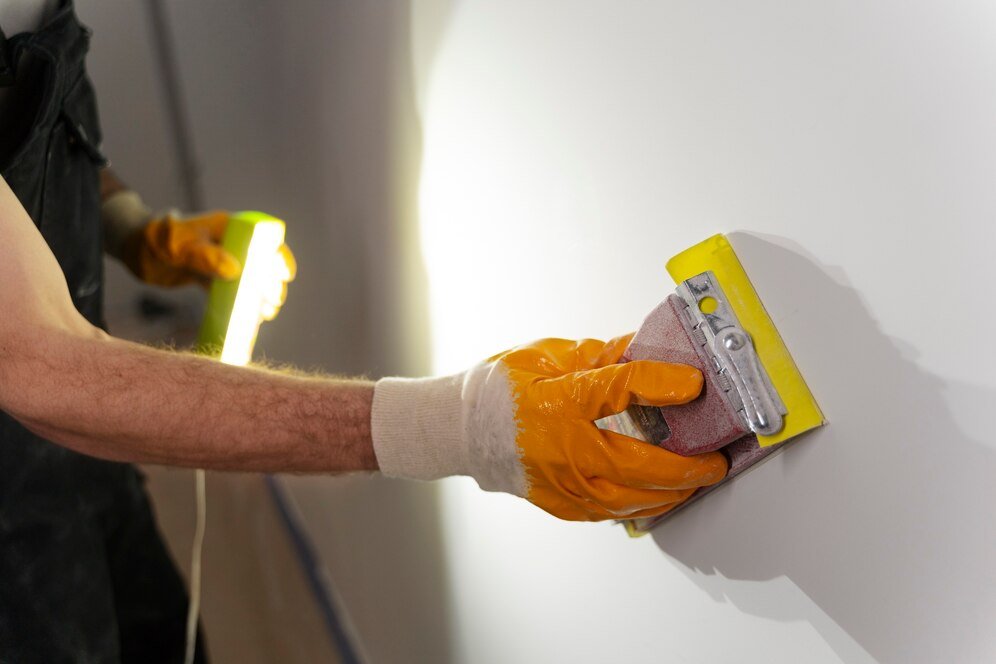
A. Brick Walls
Characteristics: High suction, uneven surface.
Preparation:
Brush off loose mortar/dust.
Apply a suitable primer (e.g., PVA mix 5:1 water) to control suction.
Plastering Method:
Use sand/cement render (scratch coat) as a base.
Finish with multi-finish plaster for smoothness.
B. Blockwork (Lightweight/Aerated Blocks)
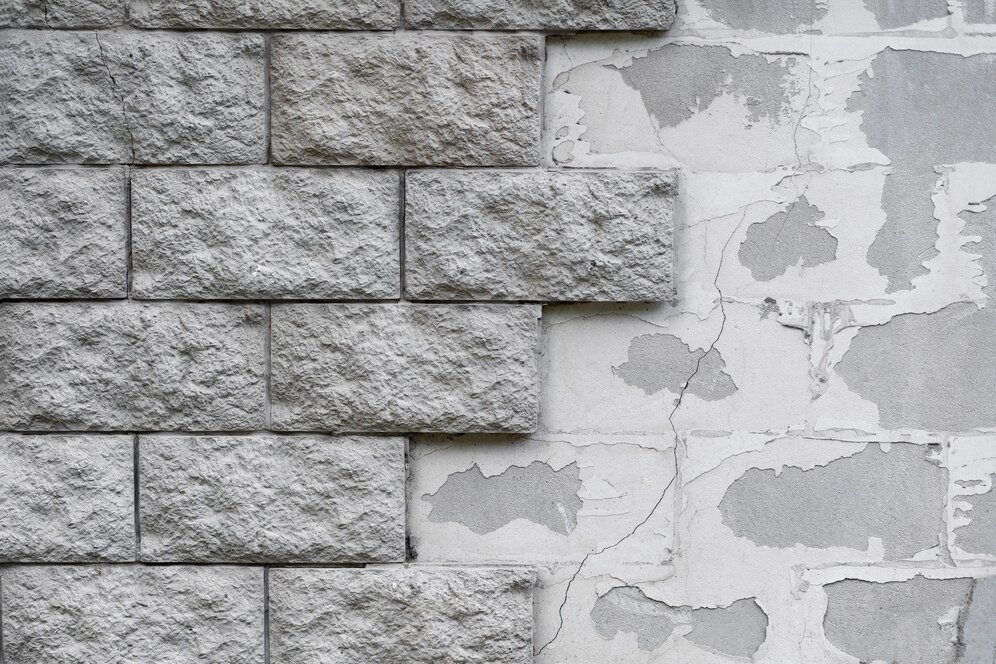
Characteristics: Medium-high suction, soft surface.
Preparation:
Apply a bonding agent (e.g., Thistle Bond-It) to prevent rapid drying.
Mist with water if needed (but avoid over-wetting).
Plastering Method:
Bonding coat (gypsum-based) for a level base.
Skim with multi-finish or board finish for final layer.
C. Plasterboard (Drywall)
Characteristics: Low suction, smooth surface.
Preparation:
Seal joints with scrim tape & joint compound.
Apply plasterboard primer (if required).
Plastering Method:
Directly apply board finish plaster in one thin coat.
Polish with a sponge float for seamless finish.
D. Concrete (Dense Substrate)
Characteristics: Very low suction, smooth & non-porous.
Preparation:
Mechanical keying (hack off with a comb chisel or angle grinder).
Apply grit primer or bonding agent (e.g., SBR slurry).
Plastering Method:
Use bonding plaster (contains additives for adhesion).
Top with finishing plaster after base sets.
2. Preparing Surfaces for Plastering
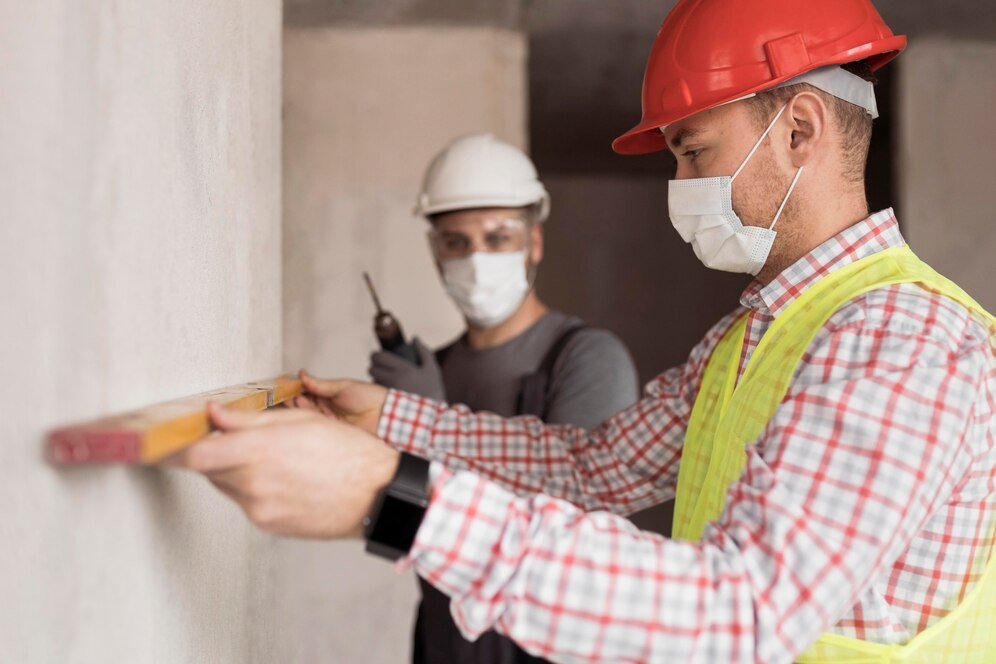
A. Damp Proofing
Why? Prevents moisture damage & plaster failure.
Methods:
Chemical DPC (Damp Proof Course): Injected into brickwork.
Tanking Slurry: Waterproof coating for basements/wet areas.
Membrane Systems: Liquid-applied barriers.
B. Bonding Agents
Purpose: Improves adhesion on low-suction or smooth surfaces.
Types:
PVA (Polyvinyl Acetate): Cheap but temporary (must be tacky when plastering).
SBR (Styrene Butadiene Rubber): Waterproof, stronger bond.
Grit Primer: Contains sand particles for mechanical key.
C. Surface Repairs Before Plastering
Cracks/Holes: Fill with repair mortar or expanding foam (trimmed flush).
Efflorescence (Salt Stains): Brush off & treat with diluted vinegar.
Uneven Substrates: Apply parge coat (thin render) to level.
Key Takeaways
.svg)



