
MODULE 4: External Rendering
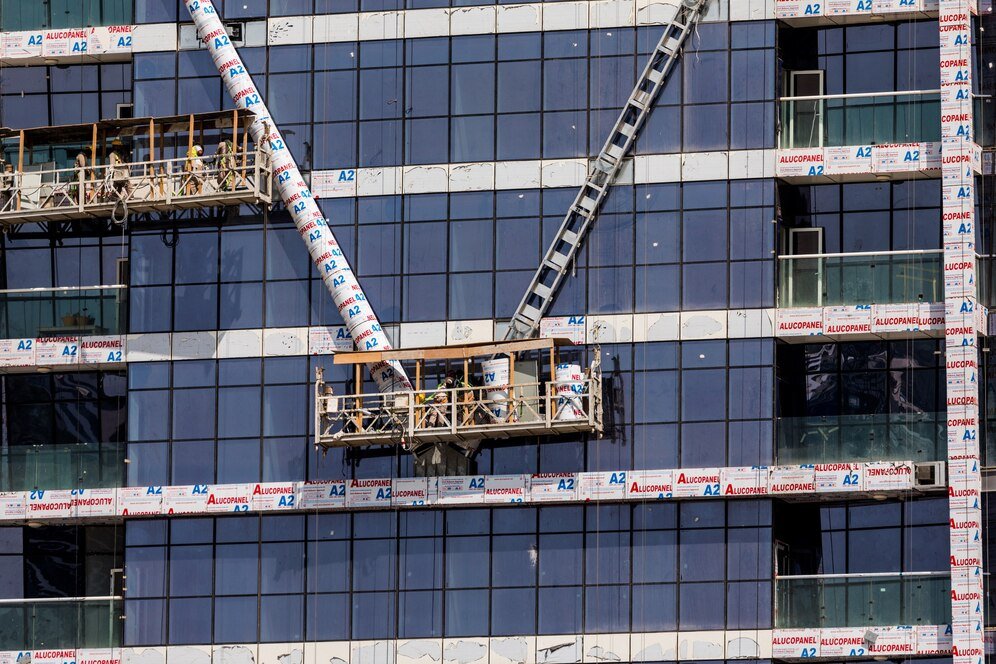
This module covers professional techniques for weather-resistant exterior renders, including traditional sand/cement methods and modern polymer-modified systems.
1. Applying Sand/Cement Render
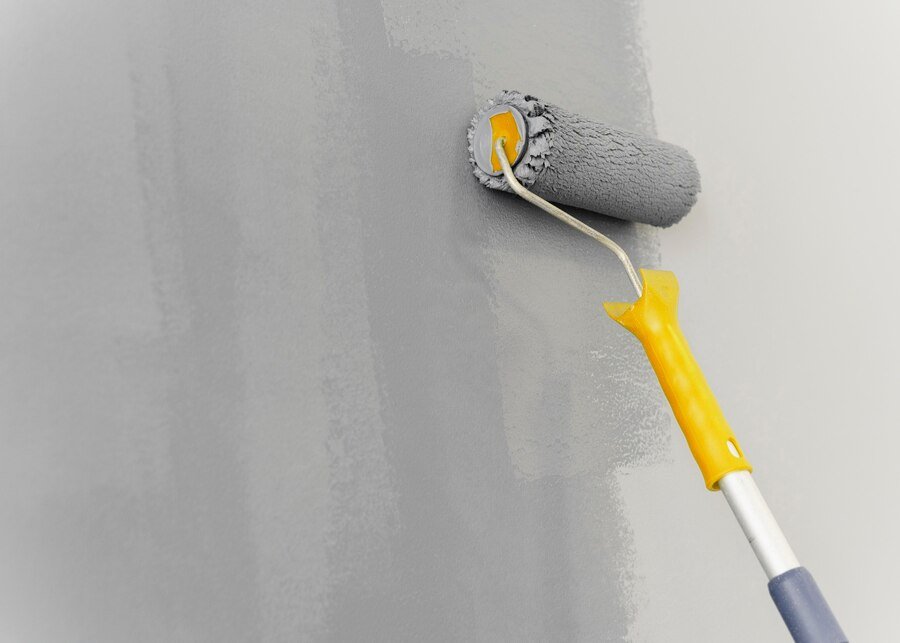
The most common and cost-effective method for external walls.
Mix Proportions
Base Coat: 4:1 (Sharp sand : Cement) + Hydrated lime (optional for workability)
Top Coat: 5:1:1 (Sand : Cement : Lime) for smoother finish
Additives: Waterproofer (e.g., Sika-1) or plasticizer improves durability
Application Process
Surface Preparation
Remove loose material/paint
Fix expanded metal lath on weak substrates
Dampen wall (prevents rapid moisture loss)
Base Coat Application
Apply 10-15mm thick with steel trowel
Scratch surface with comb scratcher while wet
Curing
Keep damp for 2-3 days (cover with hessian in hot weather)
Allow partial curing before topcoat (typically 2-7 days)
2. Scratch Coats and Topcoats
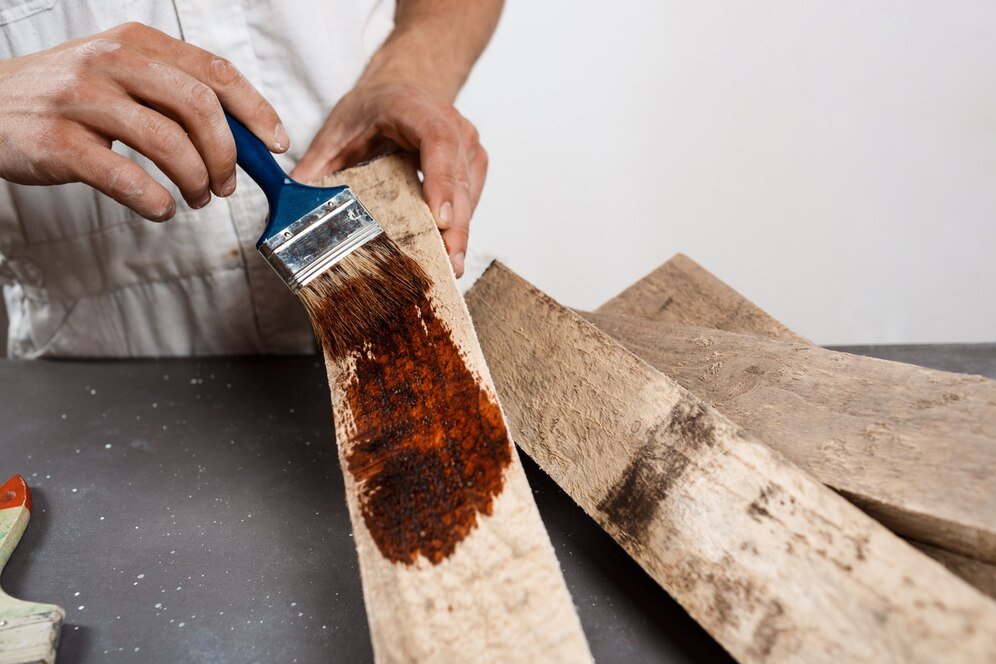
Scratch Coat (Key Coat)
Purpose: Creates mechanical bond for subsequent layers
Application:
8-12mm thickness
Horizontal scratch patterns for maximum key
Must fully cure before topcoat
Topcoat (Finish Coat)
Thickness: 5-8mm
Finishing Options:
Sponge Finish: Light circular motions with damp sponge
Smooth Float: Polished with steel trowel
Tyrolean: Spray-textured finish
Critical Timing
Apply topcoat when scratch coat is firm but still green (thumbprint test)
Avoid working in direct sunlight or freezing conditions
3. Modern Polymer-Modified Renders
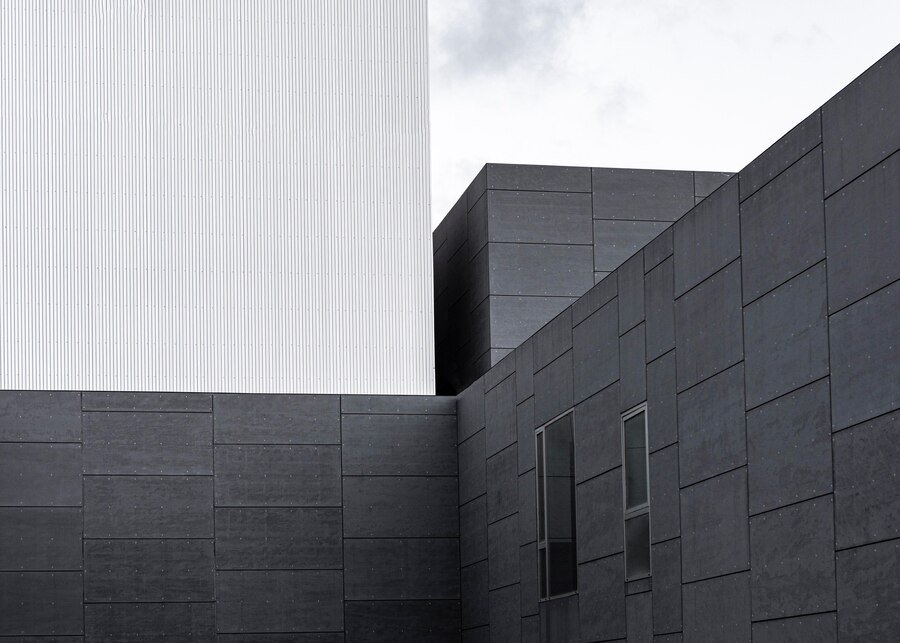
Advanced alternatives to traditional renders with enhanced performance.
Types and Benefits
Acrylic Renders:
Flexible (accommodates substrate movement)
Available in pre-mixed colors
2-3mm application thickness
Silicone/Silicate Renders:
Self-cleaning properties
Superior water repellence
Vapor permeable
Polymer-Cement Hybrids:
Combines cement strength with polymer flexibility
Often fiber-reinforced
Application Differences
Priming: Specific primer required (varies by product)
Mixing: Must follow manufacturer's ratios exactly
Application:
Typically applied in one pass (5-8mm)
Special texturing tools used (e.g., notched trowels)
Curing: Usually air-cure (no water curing needed)
Key Comparison: Traditional vs. Modern Renders
.svg)



