
MODULE 1-Health & Safety in Construction (Plastering – Level 2)
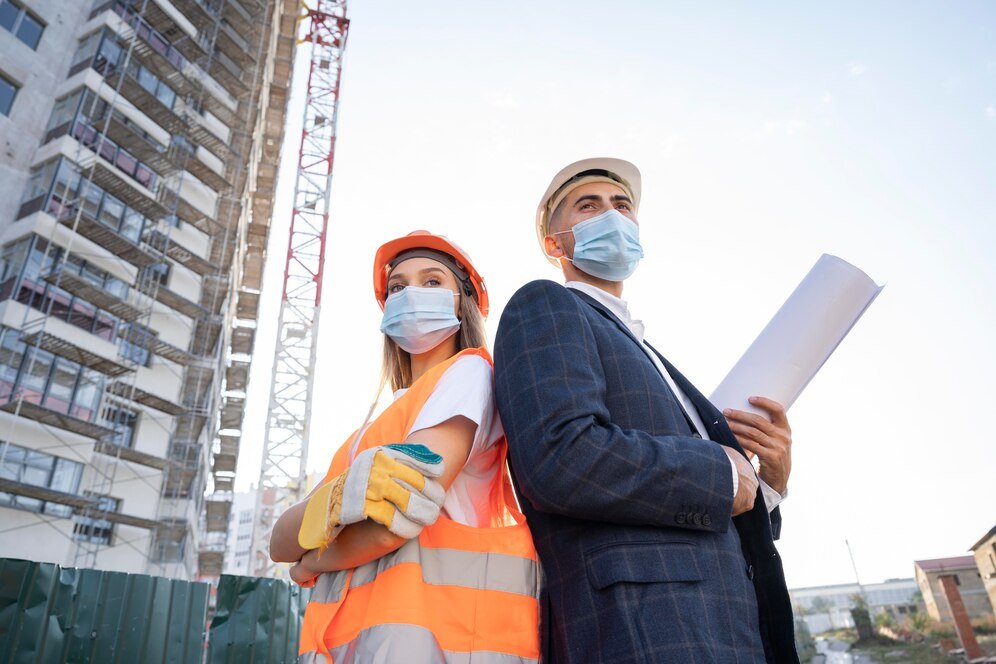
Health and safety is a critical part of plastering work to prevent accidents, injuries, and long-term health risks. This module ensures learners understand legal responsibilities, hazard control, and best practices on construction sites.
1. Risk Assessments
Purpose: Identifies potential hazards before work begins (e.g., working at height, manual handling, exposure to dust).
Process:
Spot hazards (e.g., uneven surfaces, electrical cables, wet floors).
Decide who might be harmed (workers, clients, public).
Evaluate risks and implement controls (e.g., using scaffolding instead of ladders).
Record findings (if required by law) and review regularly.
2. Personal Protective Equipment (PPE)
.jpg)
Plasterers must wear appropriate PPE to reduce injury risks:
Dust masks (FFP3) – Prevents inhalation of plaster dust and silica.
Safety goggles – Protects eyes from splashes and flying debris.
Gloves – Reduces skin contact with wet plaster and chemicals.
Steel-toe boots – Prevents foot injuries from falling tools/materials.
Knee pads – Essential for comfort and joint protection when working on floors.
3. Safe Working Practices
Manual Handling:
Lift heavy materials (plaster bags, buckets) with bent knees, straight back.
Use wheelbarrows or trolleys for moving bulk materials.
Working at Height:
Use proper scaffolding or mobile towers (not just ladders).
Ensure platforms are stable and guard-railed.
Tool Safety:
Keep mixing drills and trowels in good condition.
Store sharp tools properly when not in use.
4. COSHH Regulations (Control of Substances Hazardous to Health)
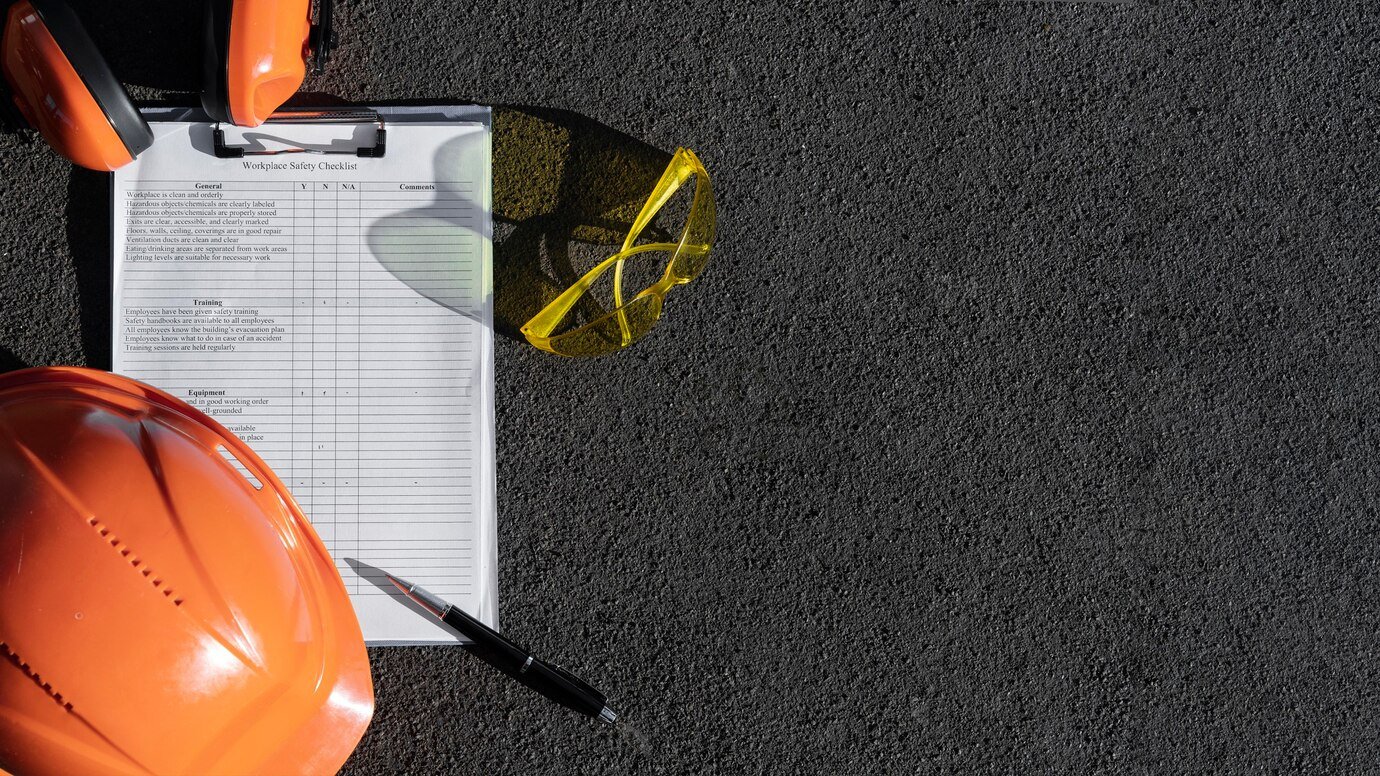
Plastering involves exposure to hazardous substances, requiring compliance with COSHH guidelines:
Key Hazardous Materials:
Cement & lime – Can cause skin burns, respiratory issues.
Silica dust (from sanding) – Long-term exposure leads to silicosis (lung disease).
Chemical additives (e.g., bonding agents, accelerators) – May irritate skin/eyes.
Control Measures:
Wet mixing to reduce dust.
Proper ventilation in enclosed spaces.
Immediate washing if skin contacts wet plaster/cement.
Correct storage of chemicals away from food/drinks.
Employer/Worker Duties:
Safety Data Sheets (SDS) must be available for all materials.
Training on handling hazardous substances.
Conclusion
Following these health and safety protocols ensures a safer work environment, legal compliance, and reduces long-term health risks for plasterers. Regular updates on HSE (Health & Safety Executive) guidelines are essential for best practices.
.svg)



