
MODULE 8
Basic Plumbing & Electrical Awareness: Essential Systems for Modern Construction

A functional building requires properly installed plumbing and electrical systems, which must adhere to safety codes while ensuring efficiency and durability. This module introduces pipework and drainage fundamentals for plumbing, along with electrical safety and wiring principles, providing construction professionals with the knowledge to coordinate with specialized trades.
1. Introduction to Pipework and Drainage
Plumbing systems deliver clean water and remove waste, relying on carefully planned pipe networks and drainage solutions.
Pipe Materials & Applications
PVC/CPVC: Lightweight, corrosion-resistant plastic pipes for cold/hot water supply.
PEX: Flexible tubing ideal for retrofits and tight spaces.
Copper: Durable and heat-resistant, used for potable water lines.
Cast Iron/Galvanized Steel: Traditional materials for drain/waste/vent (DWV) systems.
Drainage Principles
Slope Requirements: Drain pipes must slope downward (¼" per foot for 2" pipes) to ensure proper flow.
Vent Systems: Prevent vacuum locks in drains by allowing air intake (vents extend through the roof).
Traps: U-shaped pipes under sinks/showers retain water to block sewer gases.
Installation Basics
Use pipe cutters and deburring tools for clean edges.
Secure pipes with hangers/clips to prevent sagging.
Pressure-test systems before concealing pipes behind walls.
2. Basic Electrical Safety and Wiring Principles
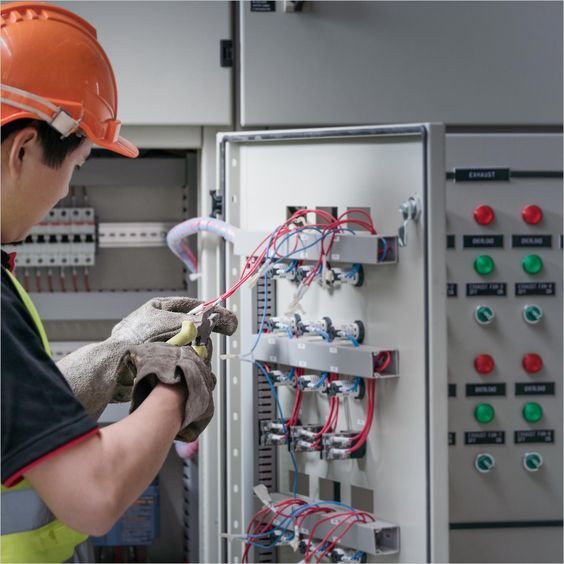
Electrical work demands strict adherence to safety protocols to prevent fires, shocks, and equipment damage.
Electrical Safety Fundamentals
Circuit Protection: Always shut off power at the breaker before working.
GFCI Outlets: Required in wet areas (bathrooms, kitchens) to prevent electrocution.
Wire Gauge & Ampacity: Match wire thickness (e.g., 14-gauge for 15A circuits) to load requirements.
Wiring Techniques

Color Coding:
Black/Red: Hot wires (carry current).
White: Neutral (returns current).
Green/Bare: Ground (safety path for faults).
Connection Methods:
Wire nuts for splicing.
Terminal screws on outlets/switches.
Conduit & Sheathing: Protect wires from damage (e.g., NM cable for indoor walls, metal conduit for exposed areas).
Common Circuits
Lighting Circuits: 15A, serving multiple fixtures.
Dedicated Circuits: For high-power appliances (refrigerators, microwaves).
Key Takeaways
Plumbing: Prioritize leak-free joints, proper slope, and venting.
Electrical: Never overload circuits; use PPE (insulated gloves, voltage testers).
Code Compliance: Follow IPC (plumbing) and NEC (electrical) standards.
Next Steps:
Explore water-efficient plumbing fixtures (low-flow toilets, sensor faucets).
Study smart home wiring (CAT6 cabling, smart switches).
Practice safe conduit bending for custom electrical runs.
Ready to ensure safe, efficient utility systems? Let’s troubleshoot real-world scenarios.
Conclusion: Integrating Plumbing & Electrical Fundamentals for Safe, Efficient Buildings
A thorough understanding of basic plumbing and electrical systems is indispensable for construction professionals, ensuring buildings are functional, safe, and code-compliant. This module has equipped learners with core competencies in pipework, drainage, electrical safety, and wiring principles, bridging the gap between general construction and specialized trades.
.svg)



