
MODULE 2
Construction Health & Safety
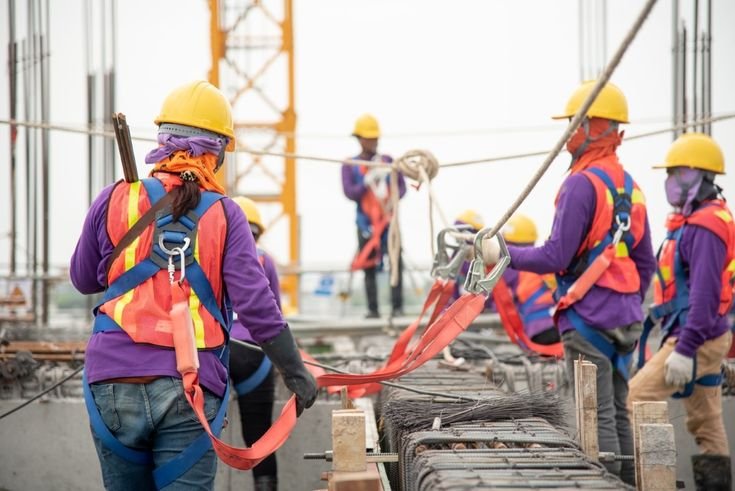
Construction sites are high-risk environments that require strict safety protocols to prevent accidents and injuries. This module covers three critical aspects of construction safety: workplace hazards and risk assessment, safe use of tools and equipment, and emergency procedures (fire safety and first aid).
1. Workplace Hazards and Risk Assessment
Construction sites present numerous hazards that workers must recognize and mitigate. Common dangers include:
Falls from Heights – The leading cause of fatalities in construction. Workers must use guardrails, safety harnesses, and secure scaffolding when working on roofs, ladders, or elevated platforms.
Struck-by Accidents – Moving vehicles, falling tools, or flying debris can cause severe injuries. High-visibility vests, hard hats, and designated walkways help minimize risks.
Electrical Hazards – Exposed wiring, overloaded circuits, and contact with power lines can lead to electrocution. Only qualified electricians should handle electrical work, and all tools must be properly grounded.
Caught-In/Between Hazards – Trenches, heavy machinery, and collapsing materials can trap workers. Proper shoring, trench boxes, and lockout/tagout procedures prevent these incidents.
Respiratory Risks – Dust, fumes, and toxic chemicals (e.g., asbestos, silica) require respirators and proper ventilation.
Risk Assessment Process:
Identify Hazards – Inspect the site for potential dangers.
Evaluate Risks – Determine the likelihood and severity of harm.
Control Measures – Eliminate hazards (e.g., guardrails) or reduce exposure (e.g., PPE).
Monitor & Review – Regularly update safety plans as conditions change.
2. Safe Use of Tools and Equipment
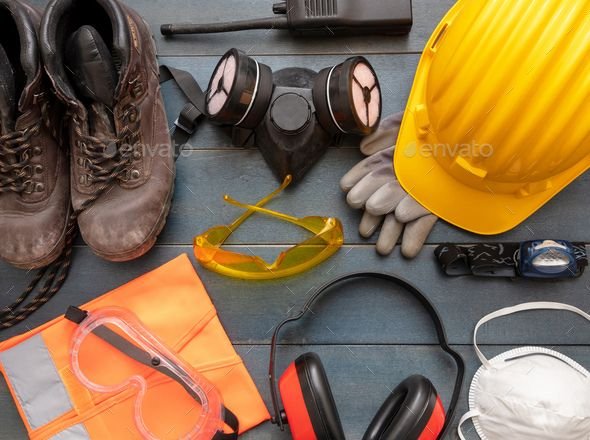
Improper tool handling leads to cuts, amputations, and other injuries. Key safety practices include:
Hand Tools (Hammers, Saws, Chisels)
Inspect tools for damage before use.
Keep blades sharp to prevent slipping.
Use the right tool for the job (e.g., never use a wrench as a hammer).
Power Tools (Drills, Saws, Grinders)
Wear PPE (goggles, gloves, ear protection).
Secure workpieces with clamps to avoid kickback.
Disconnect power before changing blades or bits.
Heavy Equipment (Excavators, Cranes, Forklifts)
Only trained operators should use machinery.
Conduct pre-use inspections (check hydraulics, brakes).
Maintain a safe distance from moving equipment.
General Safety Rules:
Store tools properly to prevent tripping hazards.
Never carry tools by cords or hoses.
Report malfunctioning equipment immediately.
3. Emergency Procedures (Fire Safety & First Aid)
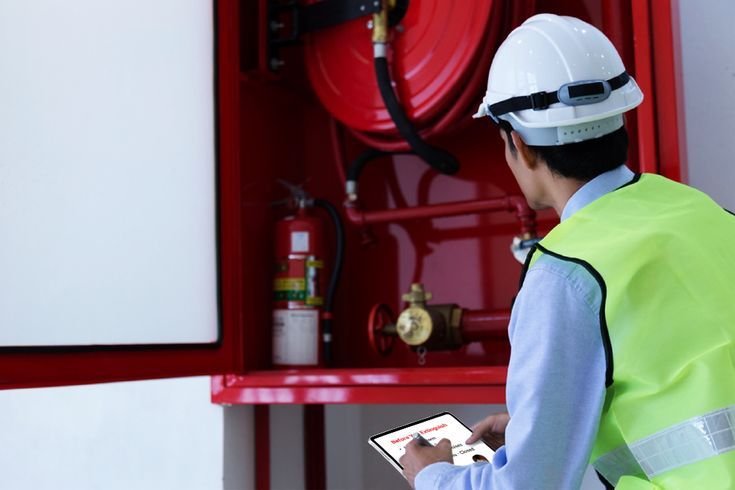
Quick response to emergencies saves lives. Workers must be trained in:
Fire Safety
Fire Prevention – Store flammable materials away from sparks; enforce no-smoking policies.
Fire Extinguishers – Use the correct type (Class A for wood/paper, Class B for liquids, Class C for electrical fires).
Evacuation Plans – Know exit routes and assembly points.
First Aid
Bleeding Control – Apply pressure with clean cloths; elevate wounds.
Burns – Cool with water; cover with sterile dressings.
Fractures – Immobilize injured limbs; avoid moving the victim.
CPR & AED Use – Essential for cardiac emergencies.
Emergency Preparedness:
Every site must have a first aid kit and trained personnel.
Post emergency numbers (911, site supervisor) visibly.
Conduct regular drills for fires, collapses, and medical emergencies.
Conclusion
This module equips workers with the knowledge to identify hazards, operate tools safely, and respond to emergencies. By following these protocols, construction sites can reduce accidents and ensure a safer workplace.
.svg)



