
MODULE 3
Construction Tools and Equipment
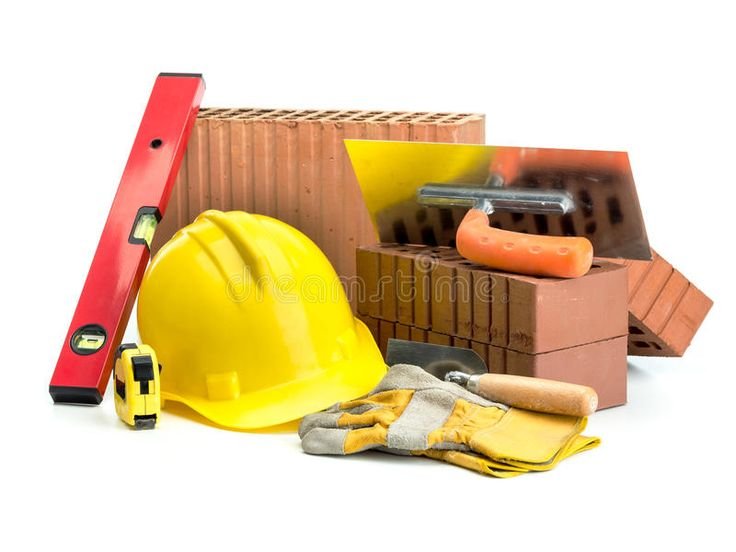
Construction sites rely on a variety of tools and equipment to complete projects efficiently and safely. This module covers three main categories: hand tools, power tools, and machinery. Each type serves specific purposes and requires proper handling techniques to ensure worker safety and job site productivity.
1. Hand Tools (Hammers, Saws, Chisels)
Hand tools are fundamental for basic construction tasks and require manual operation. While simple to use, they demand proper technique to prevent injuries and ensure quality work.
Hammers:
Claw hammers (16-20 oz) are standard for driving and removing nails
Ball-peen hammers are used for metalwork
Rubber mallets prevent surface damage when setting materials
Safety tip: Always strike squarely to prevent glancing blows
Saws:
Handsaws (crosscut and rip) for wood cutting
Hacksaws for cutting metal pipes and rods
Coping saws for detailed curved cuts
Proper technique: Use full strokes and let the saw do the work
Chisels:
Cold chisels for cutting metal
Wood chisels (beveled edge) for joinery
Masonry chisels for brick and stone work
Safety: Always chisel away from your body and keep tools sharp
Maintenance:
Clean tools after use
Store in dry conditions to prevent rust
Regularly sharpen cutting edges
2. Power Tools (Drills, Sanders, Circular Saws)
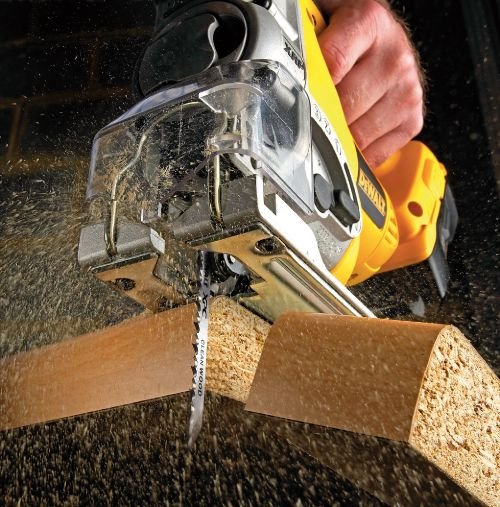
Power tools significantly increase efficiency but require strict safety protocols due to their high-speed operation.
Drills:
Cordless drills for general purpose drilling/driving
Hammer drills for masonry work
Right-angle drills for tight spaces
Key safety features:
Chuck guards
Variable speed triggers
Battery safety indicators
Sanders:
Orbital sanders for finish work
Belt sanders for rapid material removal
Detail sanders for corners and edges
Dust control:
Use vacuum attachments
Wear respirators
Clean work area regularly
Circular Saws:
Sidewinder (inline motor) for general cuts
Worm drive for heavy-duty cutting
Cordless models for job site flexibility
Cutting techniques:
Use guides for straight cuts
Support material properly
Allow blade to reach full speed before cutting
Safety Protocols:
Always wear PPE (safety glasses, hearing protection)
Check cords for damage before use
Secure workpieces with clamps
Never carry tools by their cords
Disconnect power before changing accessories
3. Introduction to Machinery (Cement Mixers, Excavators)

Heavy machinery requires specialized training and significantly increases project capabilities.
Cement Mixers:
Drum mixers (3-9 cu ft) for small batches
Twin-shaft mixers for large projects
Truck-mounted mixers for ready-mix delivery
Operation guidelines:
Level the machine before loading
Add materials in correct order (water last)
Clean thoroughly after each use
Excavators:
Mini excavators (1-6 tons) for confined spaces
Standard excavators (20-80 tons) for general digging
Long-reach models for deep excavations
Safety considerations:
Maintain stability on slopes
Use spotters when visibility is limited
Keep clear of the swing radius
Lower buckets when not in use
General Machinery Safety:
Only trained operators may use equipment
Conduct pre-operation inspections:
Fluid levels
Hydraulic hoses
Safety devices
Follow load capacity limits
Shut down completely before servicing
Maintenance Requirements:
Regular lubrication schedules
Filter changes as specified
Winterization for cold climates
Proper storage procedures
Conclusion
This module provides essential knowledge about construction tools and equipment, from basic hand tools to complex machinery. Understanding proper usage, maintenance, and safety protocols ensures efficient operations while minimizing risks on the job site. Workers should receive hands-on training for all tools and equipment they'll be using, with special certification required for heavy machinery operation.
.svg)



