
MODULE 9
Wall Systems & Roofing Basics: Structural Framing and Weatherproof Enclosures
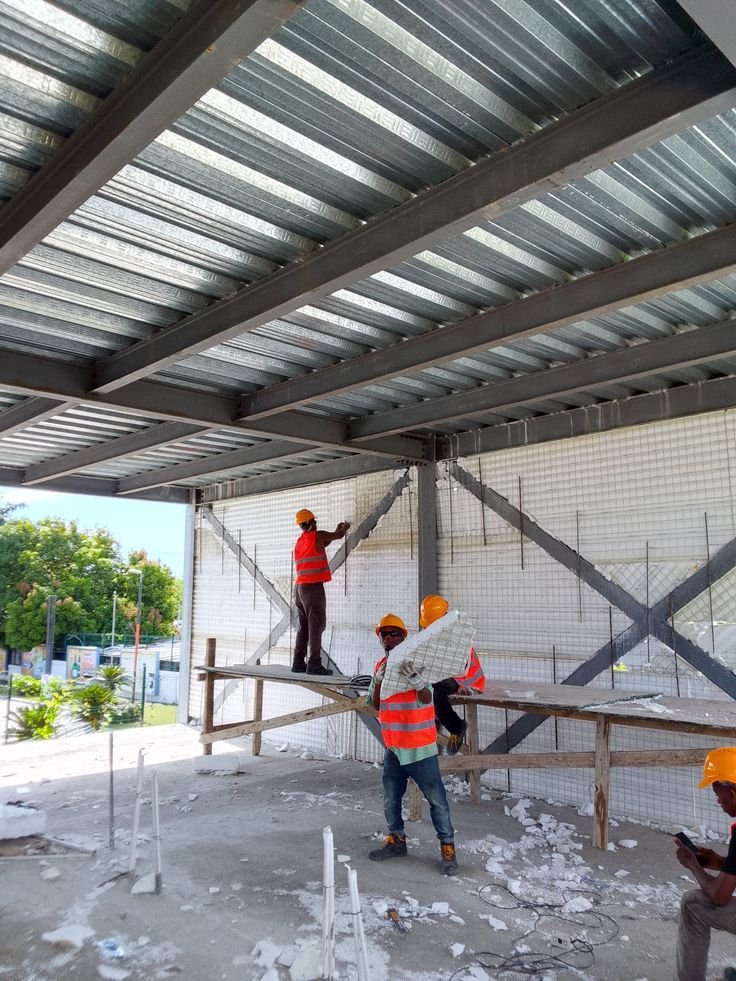
1. Wall Framing Systems (Timber & Metal Studs)
Wall framing creates the skeletal structure that defines interior spaces and supports exterior cladding. Two primary methods dominate modern construction:
Timber Framing (Wood Stud Construction)
Uses dimensional lumber (typically 2x4 or 2x6) spaced 16" or 24" on center
Requires pressure-treated wood for bottom plates in contact with concrete
Incorporates headers (lintels) over openings using doubled studs or engineered lumber
Includes fire-blocking between stud bays at 10' intervals for code compliance
Features three standard framing methods:
Platform framing (most common - each floor framed separately)
Balloon framing (historical - studs run full height between floors)
Advanced framing (optimal value engineering - reduces thermal bridging)
Metal Stud Framing
Light-gauge steel channels (25-20 gauge) for non-load bearing partitions
Requires special self-tapping screws and tin snips for installation
Offers superior fire resistance and termite-proof qualities
Demands careful layout to avoid electrical/plumbing conflicts in narrow stud cavities
Includes proprietary clip systems for seismic reinforcement in earthquake zones
Both systems integrate with:
Structural sheathing (OSB, plywood) or bracing for lateral stability
Vapor barriers and insulation installation considerations
Specialized fastening patterns for different cladding materials
2. Roof Types & Installation Fundamentals
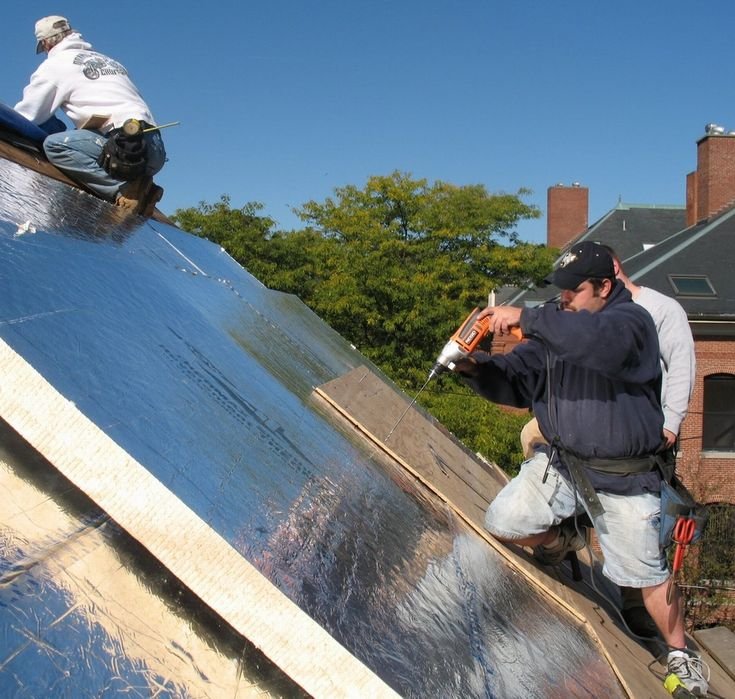
Roof systems combine structural support with weather protection through carefully engineered assemblies:
Common Roof Types
Gable Roofs: Classic triangular design with rafters meeting at ridge board
Hip Roofs: Sloped on all sides for better wind resistance
Flat Roofs: Low-slope (1/4" per foot) with specialized membranes
Mansard Roofs: Double-sloped for additional living space
Butterfly Roofs: Modern V-shape for water collection
Structural Framing Methods
Conventional stick framing (rafters + ceiling joists)
Truss systems (engineered triangular units)
Post-and-beam (heavy timber construction)
Corrugated metal decking (for commercial flat roofs)
Critical Installation Components
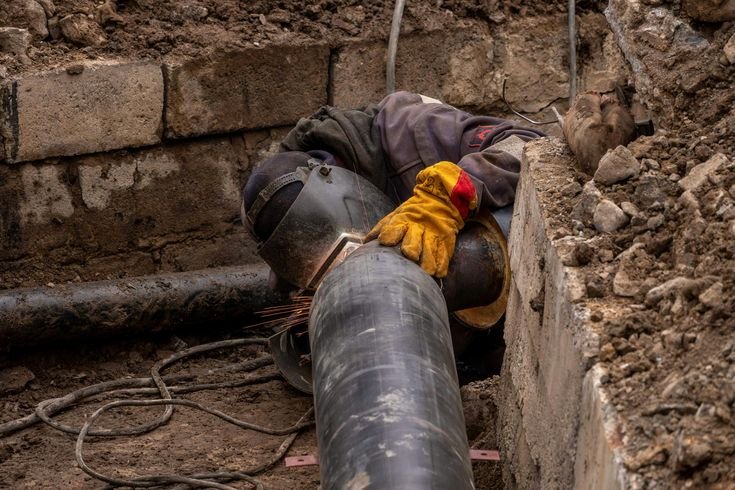
Underlayment Systems:
Synthetic or felt paper under shingles
Ice/water shield in cold climates
Peel-and-stick membranes for flat roofs
Flashing Details:
Step flashing at wall intersections
Drip edges at eaves
Pipe boot flashings for penetrations
Ventilation Requirements:
1:300 ratio of vent area to attic space
Balanced intake (soffit) and exhaust (ridge/static) vents
Proper baffle installation to maintain airflow channels
Material-Specific Techniques
Asphalt shingles: Staggered courses with proper nail placement
Metal roofing: Expansion joints and specialized clips
Tile roofs: Weight distribution calculations and underlayment requirements
Membrane roofs: Heat-welded seams and perimeter fastening
The module emphasizes OSHA fall protection standards throughout roof work, including proper use of harnesses, guardrails, and safety monitors when working at heights above 6 feet.
Conclusion
This comprehensive module has equipped construction professionals with essential knowledge of wall framing systems and roof structure fundamentals - two critical components that define a building's durability, safety, and weather resistance.
.svg)



