
MODULE 5
Building Materials & Sustainability
1. Types of Construction Materials
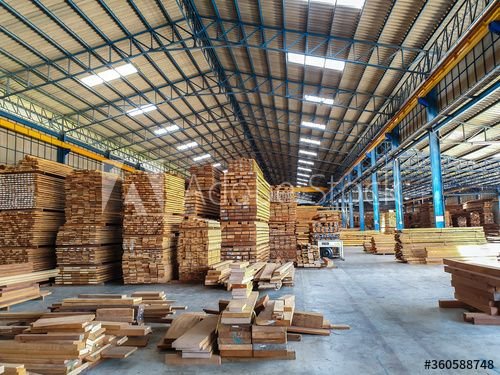
Modern construction utilizes four primary material categories, each with distinct properties and applications. Wood, the oldest building material, remains popular for its workability, insulation properties, and renewable nature. Softwoods like pine and spruce dominate structural framing, while hardwoods such as oak and maple serve for finishes and flooring. However, wood requires treatment against moisture, pests, and fire. Steel offers unmatched strength for structural frameworks, particularly in high-rise buildings and industrial facilities. Its prefabrication potential speeds construction, though it conducts heat readily and requires fireproofing. Concrete, a mixture of cement, aggregates, and water, provides exceptional compressive strength for foundations, walls, and pavements. Modern innovations include high-performance concrete with additives for increased durability and self-consolidating concrete that needs no vibration. Composite materials combine the best properties of multiple materials - fiber-reinforced polymers (FRP) merge glass/carbon fibers with resins for lightweight strength, while cross-laminated timber (CLT) layers wood for enhanced stability. Engineered wood products like laminated veneer lumber (LVL) offer sustainable alternatives to traditional materials, maximizing structural performance while minimizing waste.
2. Sustainable Construction Practices

The construction industry has embraced sustainability through innovative practices that reduce environmental impact while maintaining quality. Material recycling has become standard, with concrete rubble crushed for aggregate in new mixes, steel melted down for reuse, and wood repurposed or converted to biomass fuel. Energy-efficient design incorporates passive solar principles, high-performance insulation, and thermal mass materials to minimize heating/cooling needs. The use of recycled-content materials has expanded, including fly ash (a coal byproduct) in concrete, recycled plastic lumber for decks, and denim insulation from textile waste. Water conservation strategies feature low-flow plumbing fixtures, rainwater harvesting systems, and permeable paving that reduces runoff. Prefabrication and modular construction techniques decrease on-site waste through factory-controlled precision cutting and assembly. The industry increasingly adopts green certification systems like LEED (Leadership in Energy and Environmental Design) that evaluate projects across multiple sustainability metrics. Emerging technologies like photovoltaic-integrated building materials and self-healing concrete with bacteria that seal cracks represent the next frontier of sustainable construction, blending material science with ecological responsibility to create buildings that actively contribute to environmental solutions rather than just minimizing harm.
Conclusion: Building Materials & Sustainability in Modern Construction
The construction industry plays a pivotal role in shaping a sustainable future, balancing structural performance with environmental responsibility. Traditional materials like wood, steel, and concrete remain essential but are increasingly enhanced through engineered composites and recycled alternatives. Meanwhile, sustainable practices—such as material recycling, energy-efficient design, and water conservation—are transforming how buildings are designed, constructed, and maintained.
The shift toward green building certifications (LEED, BREEAM) and innovative technologies (self-healing concrete, solar-integrated materials) demonstrates the industry’s commitment to reducing carbon footprints while maintaining durability and cost efficiency. By prioritizing resource efficiency, waste reduction, and renewable materials, construction professionals can meet modern demands without compromising future generations’ needs.
Ultimately, sustainable construction is not just an option but a necessity—ensuring resilient infrastructure, lower operational costs, and a healthier planet. The continued evolution of materials and practices will drive the industry toward a more sustainable and efficient built environment.
.svg)



