

Fire alarms are usually very loud.
All workplaces will have their own specific procedures you will need to follow in the event of a fire emergency.
You must make sure that you are aware of and understand these procedures. Different procedures will be in place for each place you work, including if you work in people’s homes.
Basic evacuation procedures
Click on the information points on the house below to see basic evacuation procedures:
This will give you the best opportunity for a safe evacuation and a higher chance of survival.

The person in charge of fire safety in a business is known as the Responsible Person.
This is the employer, owner of the premises or person who controls the premises.
For example, in a care home, the care home manager is usually the Responsible Person. If you work in the community, in a person’s home, the Responsible Person may be the individual or a member of their family.


Care homes for older people are at high risk of fire and their fire safety procedures need to be more complex than in other residences.
Similar issues could exist for people of all ages with disabilities. Emergency evacuation is not as straightforward as ‘just head for the nearest fire exit’. Residents are often less mobile; they may use walking sticks or wheelchairs, or be unable to walk without assistance. It can be a struggle for many to move around easily.
Residents could have mental health challenges or learning disabilities. They could have difficulty hearing, be blind or simply unable to move without assistance. Vulnerable people may have a slower reaction time to fire alarms.

A loud fire alarm can also cause stress and panic reactions.
Specific fire evacuation plans must be in place to ensure no occupant is trapped in the case of a fire, and staff need to be well trained to ensure they know exactly what to do if a fire does break out.
Evacuation plans must enable residents and others to be evacuated to a place of relative safety as quickly as possible. The evacuation needs of each resident must be assessed individually and appropriate arrangements put in place. This may involve evacuating residents to a temporary safe place within the building until the Fire Service arrives with specialist equipment to evacuate them safely.
Your workplace will have an evacuation plan and you will be required to practice fire drills regularly.
It is highly recommended that you also consider having an evacuation plan for your home and to practice fire drills regularly with the people you love and care for at home. This is also recommended if you work in individual’s homes.

You must know what your local evacuation plans are and your role and responsibilities in relation to the people you support.

If there is smoke, keep low where the air is clearer.
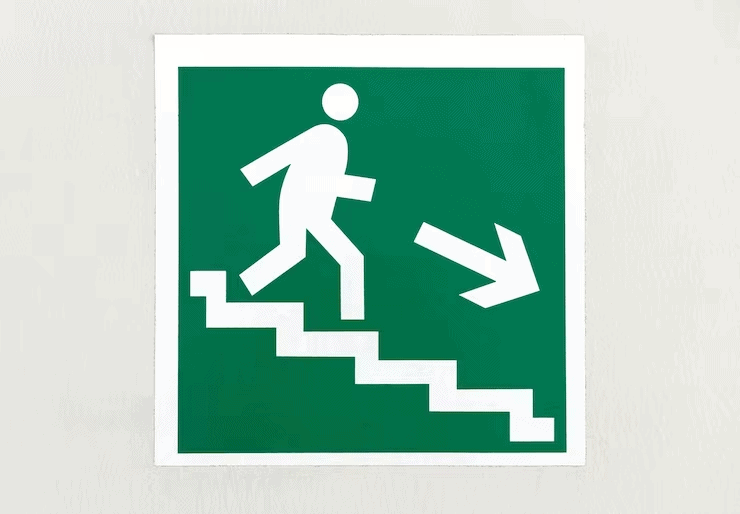
Make sure you always know where the nearest emergency exits are.
This will enable you to act faster in the event of an emergency and reduce the risk of panic.
Fireco
Their Guide: “Everything you need to know about fire safety in care homes”, can be found by on their website via the blue button if you would like to read more.
.svg)



