
MODULE 10
Finishing and Surface Treatments for Wood
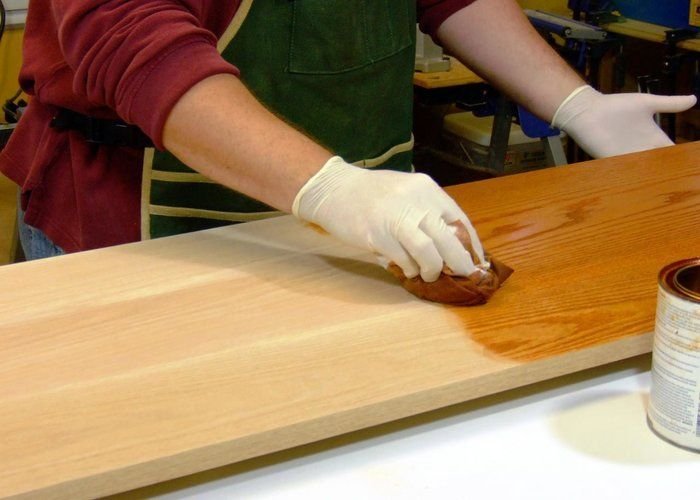
Finishing and surface treatments are essential steps in woodworking that enhance the appearance, durability, and longevity of wooden objects. These processes protect the wood from environmental damage, improve its aesthetic appeal, and ensure it remains functional over time. The main techniques include staining, varnishing, painting, French polishing, lacquering, and decay prevention methods.
1. Staining, Varnishing, and Painting
Staining
Purpose: Stains are used to alter or enhance the natural color of wood while allowing the grain to remain visible.
Types:
Oil-based stains: Penetrate deeply and provide rich color.
Water-based stains: Dry quickly and are eco-friendly.
Gel stains: Thicker consistency, ideal for vertical surfaces.
Application: Applied with a brush, rag, or sprayer, followed by wiping off excess for an even finish.
Varnishing
Purpose: Provides a protective, transparent, or semi-transparent coating that resists scratches, moisture, and UV damage.
Types:
Polyurethane varnish: Highly durable, available in satin, semi-gloss, and gloss finishes.
Spar varnish: UV-resistant, ideal for outdoor furniture.
Oil varnish (e.g., tung oil, linseed oil): Enhances natural wood grain but requires frequent reapplication.
Application: Brushed or sprayed in thin, even coats, sanded between layers for smoothness.
Painting
Purpose: Covers the wood completely with an opaque finish, providing color and protection.
Types:
Latex paint: Water-based, easy cleanup, flexible.
Oil-based paint: Durable and moisture-resistant but takes longer to dry.
Acrylic paint: Fast-drying, good for detailed work.
Preparation: Requires sanding, priming, and multiple coats for best results.
2. French Polishing and Lacquering
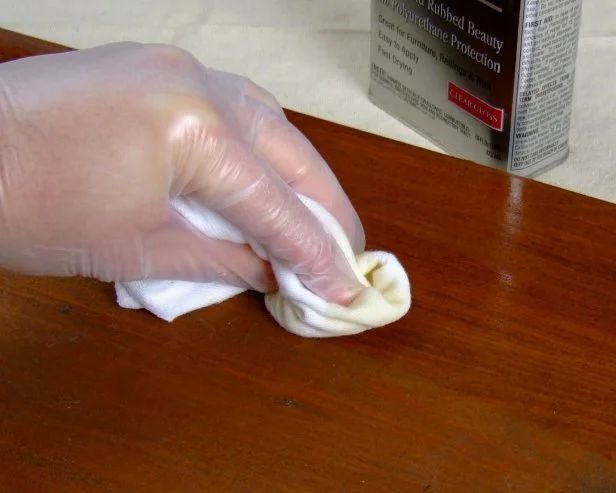
French Polishing
Purpose: A traditional technique that produces a high-gloss, deep, and lustrous finish, often used on fine furniture.
Process:
A shellac-based polish is applied with a rubber (a cloth pad) in circular motions.
Multiple thin layers are built up, creating a smooth, mirror-like surface.
Advantages: Enhances wood grain, repairable, and eco-friendly (shellac is natural).
Disadvantages: Time-consuming, less durable than modern finishes, sensitive to heat and alcohol.
Lacquering
Purpose: Provides a hard, durable, and fast-drying finish, often used in cabinetry and musical instruments.
Types:
Nitrocellulose lacquer: Traditional, dries quickly, but emits strong fumes.
Acrylic lacquer: More flexible and UV-resistant.
Water-based lacquer: Low VOC, eco-friendly alternative.
Application: Sprayed for an even coat, sanded between layers, and buffed for a high-gloss finish.
3. Preventing Wood Decay (Rot, Insects, Moisture Protection)

Wood is susceptible to decay from moisture, fungi, and insects (e.g., termites, woodworms). Protective measures include:
Moisture Protection
Sealants: Waterproof coatings like varnish, epoxy, or polyurethane prevent water absorption.
Proper Ventilation: Ensures wood does not trap moisture, reducing rot risk.
Elevation: Keeping wood off the ground (e.g., using feet or stands) prevents direct contact with damp surfaces.
Insect Prevention
Chemical Treatments: Borate solutions penetrate wood, killing insects and preventing infestations.
Pressure-treated Wood: Infused with insecticides and fungicides for long-term protection.
Natural Oils (e.g., neem oil, cedar oil): Repel insects without harsh chemicals.
Fungal & Rot Prevention
Preservatives: Copper-based treatments (e.g., Cuprinol) prevent fungal growth.
Regular Maintenance: Inspecting and refinishing wood periodically prevents decay.
Avoiding Direct Soil Contact: Using gravel or concrete barriers reduces moisture exposure.
Conclusion
Choosing the right finishing and surface treatment depends on the wood's intended use, desired aesthetics, and environmental exposure. Proper application and maintenance ensure wood remains beautiful and durable for years.
.svg)



