
MODULE 8
Advanced Joinery Techniques
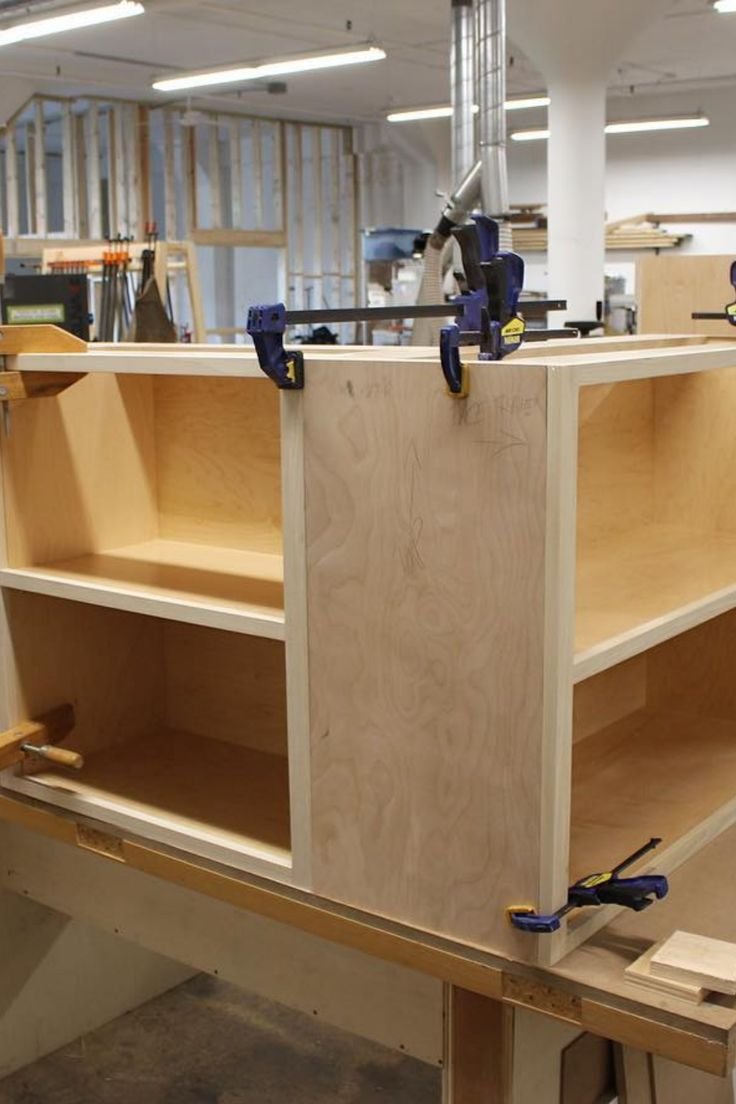
Advanced joinery techniques combine traditional craftsmanship with modern technology to create precise, durable, and aesthetically pleasing woodwork. These methods are essential for high-end furniture making, architectural woodworking, and custom cabinetry. Below, we explore four key areas of advanced joinery: curved work and templating, veneering and laminating, traditional hand-cut joints, and CNC machinery with CAD for joinery.
1. Curved Work and TemplatingCurved joinery involves shaping wood into smooth, flowing forms, which requires careful planning and execution. This technique is commonly used in furniture making (e.g., chair arms, table legs) and architectural elements (e.g., curved staircases, arched doorways).
Key Methods:
Steam Bending: Wood is softened with steam and bent into shape using molds. Ideal for tight curves in chair backs and musical instruments.
Laminated Bending: Thin wood strips are glued and clamped around a form, creating strong, lightweight curved components.
Templating: A physical or digital template ensures consistency when reproducing complex curves. Templates can be made from MDF, plywood, or CAD-generated designs.
Kerf Cutting: Saw cuts are made partway through a board to allow bending, often used in radiused cabinetry and decorative panels.2. Veneering and Laminating
Veneering and laminating enhance both aesthetics and structural integrity by layering thin materials. Veneers provide decorative surfaces, while laminating strengthens curved or large components.
Key Techniques:
Substrate Preparation: A stable core (MDF, plywood, or solid wood) is essential to prevent warping.
Veneer Application:
Hot Press Veneering: Uses heat and pressure to bond veneer to the substrate.
Cold Press Veneering: Relies on clamps and slow-setting adhesives for delicate veneers.
Laminating for Strength:
Bent Lamination: Multiple thin layers are glued and bent around a form (common in modern chair design).
Cross-Banding: Alternating grain direction in layers improves stability.3. Traditional Hand-Cut Joints
Hand-cut joints remain a hallmark of fine woodworking, offering unmatched precision and durability without relying on mechanical fasteners.
Common Advanced Hand Joints:
Dovetail Joints: Used in drawer construction for superior strength and aesthetics (through, half-blind, and secret mitred dovetails).
Mortise and Tenon: A fundamental joint for frames and structural woodworking (wedged, through, and haunched variations).
Japanese Joinery: Complex interlocking joints (e.g., shachi sen, kumiko) used in timber framing and fine cabinetry.
Scarf Joints: Used to extend timber length invisibly, common in boatbuilding and traditional timber framing.4. CNC Machinery and CAD for Joinery
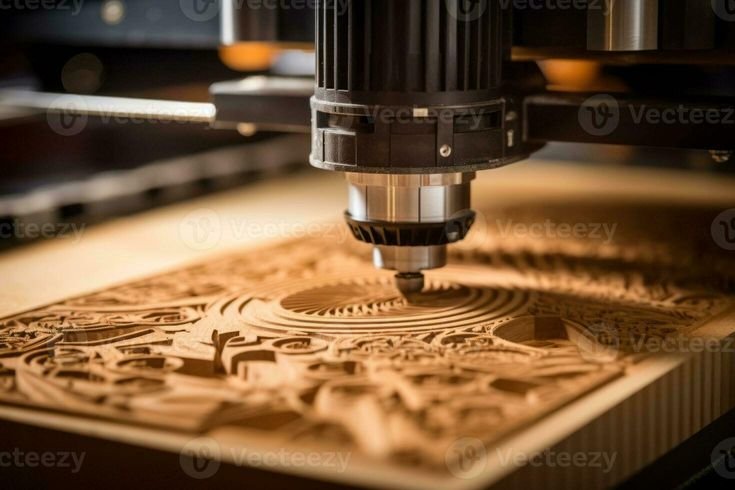
Computer-aided design (CAD) and CNC (Computer Numerical Control) machining revolutionize precision joinery, allowing intricate cuts and repeatability.
Applications and Advantages:
Precision Cutting: CNC routers and mills execute complex joints (e.g., finger joints, mortise-and-tenon, 3D carvings) with micron-level accuracy.
CAD Design: Enables 3D modeling of joints, optimizing strength and fit before cutting.
Mass Customization: CNC allows efficient production of bespoke joinery components without manual labor.
Hybrid Techniques: Combines CNC efficiency with hand-finishing for high-end craftsmanship.
Common CNC Joints:
Box Joints (Finger Joints): Automated precision for drawer and box construction.
Dovetail Routing: CNC-cut dovetails in seconds, with customizable spacing and angles.
3D Contoured Joinery: For curved and organic shapes impossible with hand tools.
ConclusionAdvanced joinery blends time-honored techniques with cutting-edge technology, offering woodworkers unparalleled flexibility and precision. Whether crafting intricate hand-cut dovetails, bending wood into fluid shapes, or leveraging CNC for mass production, mastering these methods ensures high-quality, long-lasting woodwork. Each approach has its strengths, and the best joiners often combine multiple techniques to achieve exceptional results.
.svg)




Class Sessions
1- Introduction to Carpentry and Joinery
2- Tools and Equipment in Carpentry and Joinery
3- Materials and Fastenings in Carpentry and Joinery
4- Basic Woodworking Techniques
5- Joinery (Second Fixing)
6- Construction Carpentry (First Fixing)
7- Site Carpentry: Key Skills and Responsibilities
8- Advanced Joinery Techniques
9- Restoration and Repair
10- Finishing and Surface Treatments