
MODULE 9
Restoration and Repair
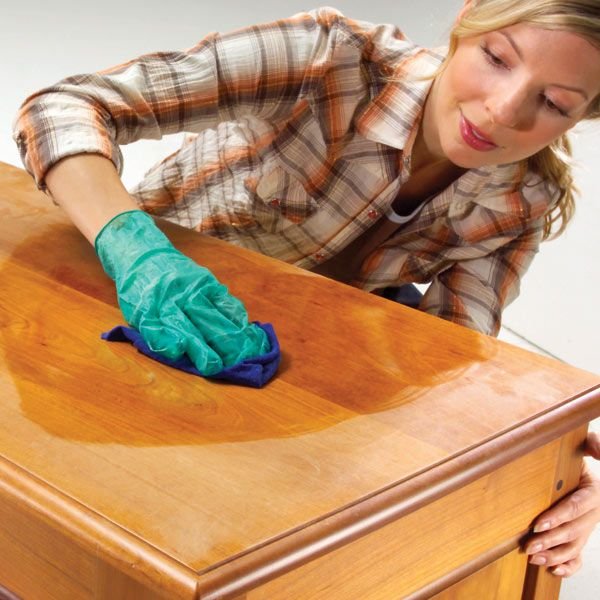
Restoration and repair of historic woodwork, traditional moldings, and antique furniture or buildings require a deep understanding of historical craftsmanship, materials, and conservation ethics. The goal is to preserve the original character while ensuring structural integrity and longevity. This process involves careful assessment, skilled craftsmanship, and the use of appropriate techniques to maintain authenticity. Below is a detailed breakdown of key aspects:
1. Identifying and Repairing Historic Woodwork
Assessment & Documentation:
Examine the woodwork for damage, insect infestation, rot, or previous repairs.
Document original joinery techniques, wood species, and finishes to guide restoration.
Cleaning & Stabilization:
Remove dirt, grime, and non-original paint layers using gentle methods (e.g., soft brushes, chemical strippers).
Stabilize weakened wood with consolidants (e.g., epoxy resins for rot, borate treatments for pests).
Repair vs. Replacement:
Preserve original material whenever possible; only replace severely damaged sections.
Use matching wood species and grain patterns for seamless repairs.
Traditional Joinery Techniques:
Employ period-appropriate methods (e.g., mortise-and-tenon, dovetails) rather than modern shortcuts like nails or screws.
2. Replicating Traditional Moldings and Profiles
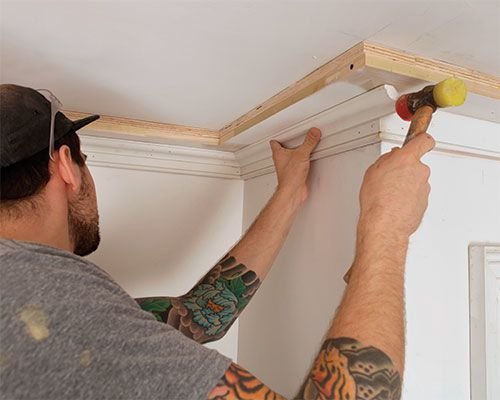
Research & Measurement:
Study historical architectural styles to replicate moldings accurately.
Take precise measurements and create templates or profiles using a profile gauge.
Hand vs. Machine Crafting:
Use hand planes and carving tools for intricate, hand-cut moldings in high-end restoration.
CNC routers or spindle molders can replicate profiles efficiently for large-scale projects.
Material Selection:
Match original wood species (e.g., pine, oak, mahogany) for consistency in appearance and aging.
Avoid modern synthetic materials unless necessary for structural reinforcement.
3. Conservation Techniques for Antique Furniture & Buildings
Preventive Conservation:
Control environmental factors (humidity, temperature, light exposure) to prevent deterioration.
Use protective coatings (e.g., wax, shellac) that are reversible and historically accurate.
Structural Repairs:
Reinforce loose joints with hide glue (reversible) rather than modern adhesives.
Repair veneers using traditional techniques like hot animal glue and veneer presses.
Finishing & Patina Preservation:
Retain original finishes where possible; avoid over-sanding or stripping.
Touch up losses with reversible retouching methods (e.g., watercolor, shellac blends).
Ethical Considerations:
Follow conservation guidelines (e.g., ICOMOS, UNESCO) to avoid over-restoration.
Disclose all repairs and alterations for future conservators.
Conclusion
Successful restoration and repair require a balance of historical accuracy, craftsmanship, and modern conservation science. Whether working on a centuries-old building or a delicate piece of furniture, the priority should always be preserving authenticity while ensuring structural stability for future generations.
.svg)



