
MODULE 5
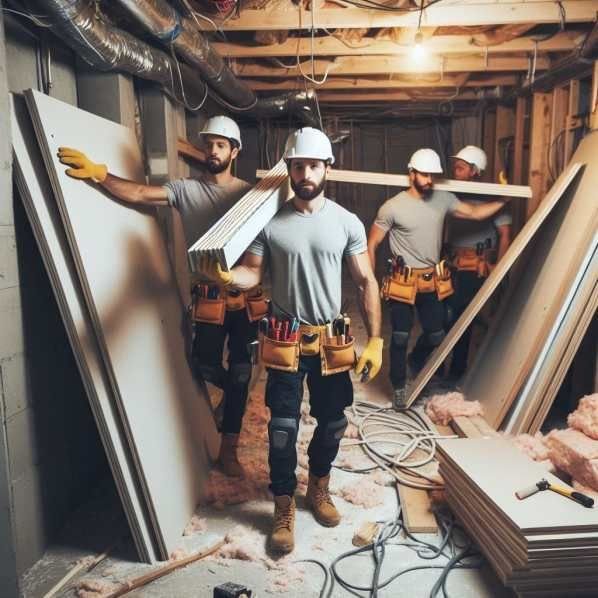
Construction Carpentry (First Fixing)
Construction carpentry, also known as first fixing, is the initial phase of carpentry work that focuses on creating the structural framework of a building. Unlike joinery (second fixing), which deals with finishing elements, first fixing involves assembling the essential load-bearing components that form the skeleton of a structure. This stage requires a strong understanding of building regulations, structural integrity, and precise measurements to ensure stability and safety.
Key Aspects of Construction Carpentry (First Fixing)
Framing Walls, Floors, and Roofs
Wall Framing: Carpenters construct timber or metal stud walls, which form the internal and external partitions of a building. Proper spacing and alignment are crucial for stability and insulation.
Floor Framing: This involves installing floor joists and subflooring (such as plywood or OSB sheets) to create a solid base for the finished flooring.
Roof Framing: Carpenters build roof structures, including trusses, rafters, and ridge beams, ensuring proper pitch and load distribution.
Installing Joists, Studs, and Rafters
Joists: Horizontal supports that run between beams, providing a framework for floors and ceilings.
Studs: Vertical wooden or metal members in wall framing, spaced evenly to support drywall, insulation, and exterior cladding.
Rafters: Angled beams that form the roof’s shape, transferring weight to the walls and foundation.
Door and Window Framing (Rough Openings)
Carpenters create openings in walls for doors and windows, ensuring they are level, plumb, and properly sized to accommodate future installations.
Headers (lintels) are installed above openings to distribute weight and prevent structural sagging.
Understanding Building Regulations and Structural Requirements
Compliance with local building codes is essential for safety and legality.
Knowledge of load-bearing capacities, fire resistance, and insulation standards ensures structures meet legal and engineering requirements.
Materials and Techniques

Timber & Engineered Wood: Softwood (e.g., pine, spruce) is commonly used for framing, while engineered wood (e.g., LVL, glulam) provides added strength.
Metal Framing: Steel studs and joists are used in commercial construction for durability and fire resistance.
Fastening Methods: Nails, screws, and specialized connectors (e.g., joist hangers, framing anchors) ensure stability.
Precision Tools: Levels, squares, laser measures, and circular saws help maintain accuracy.
Importance of First Fixing in Construction
Provides the structural backbone of a building.
Ensures safety and durability by following engineering and regulatory standards.
Sets the stage for second fixing (joinery) and finishing work.
Conclusion
Construction carpentry (first fixing) is a fundamental stage in building projects, laying the groundwork for all subsequent work. By skillfully framing walls, floors, and roofs—while adhering to structural and regulatory requirements—carpenters ensure a building’s stability and longevity. This phase demands precision, technical knowledge, and attention to detail, making it a critical part of the construction process before any finishing touches are applied.
.svg)



