
MODULE 1
Introduction to Carpentry and Joinery
Overview of the Trade
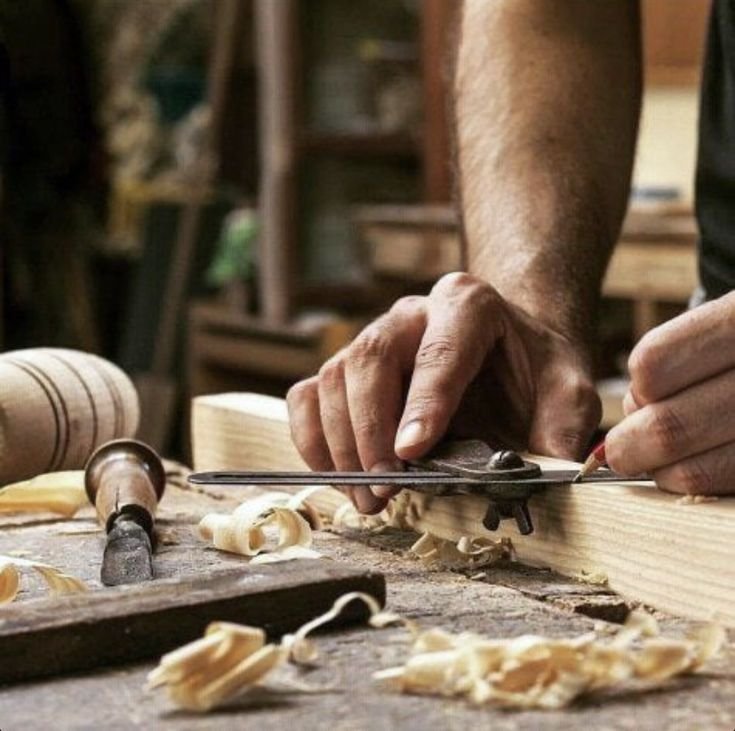
Carpentry and joinery are skilled trades that involve working with wood to construct, install, and repair structures and fixtures. While both trades overlap, they have distinct focuses:
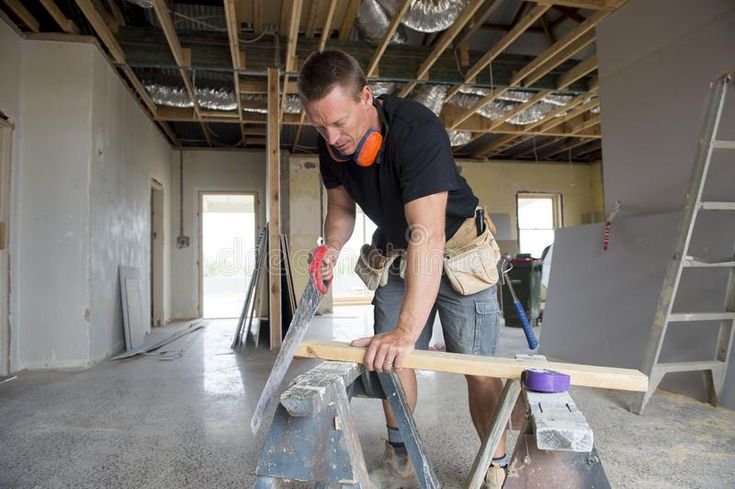
Carpentry – Primarily involves structural work, such as framing buildings, roofing, and installing wooden components in construction (e.g., floors, walls, and staircases).
Joinery – Focuses on crafting and fitting wooden components like doors, windows, cabinets, and furniture, often with precision and decorative detailing.
These trades require a combination of technical knowledge, manual dexterity, and creativity. Modern carpentry and joinery also incorporate advanced tools, machinery, and sustainable materials.
Career Opportunities
Professionals in carpentry and joinery can pursue various career paths, including:
Construction Carpenter – Works on building sites, constructing frameworks and installing structures.
Cabinet Maker – Specializes in crafting custom furniture, cabinets, and storage units.
Shop Joiner – Focuses on manufacturing wooden components in a workshop setting.
Restoration Carpenter – Works on heritage projects, restoring historical wooden structures.
Self-Employment – Many carpenters and joiners start their own businesses, offering bespoke woodworking services.
With experience, professionals can advance to supervisory roles, project management, or even teaching in vocational schools.
Industry Standards
Carpentry and joinery adhere to strict industry standards to ensure quality and safety:
Building Regulations – Compliance with local and international construction codes.
BSI Standards (British Standards Institution) – Guidelines for materials, techniques, and safety.
Sustainability Practices – Use of responsibly sourced timber and eco-friendly treatments.
Health and Safety Regulations

Safety is paramount in carpentry and joinery due to the use of sharp tools, heavy machinery, and hazardous materials. Key regulations include:
1. OSHA (Occupational Safety and Health Administration)
Sets workplace safety standards in the U.S., covering hazard communication, machinery use, and fall protection.
Requires employers to provide a safe working environment and proper training.
2. COSHH (Control of Substances Hazardous to Health)
Regulates exposure to harmful substances like wood dust, solvents, and adhesives.
Mandates risk assessments, proper ventilation, and use of protective equipment.
3. PPE (Personal Protective Equipment)
Essential PPE for carpenters and joiners includes:
Safety Glasses/Goggles – Protect eyes from flying debris.
Ear Protection – Reduces noise exposure from power tools.
Dust Masks/Respirators – Prevents inhalation of sawdust and fumes.
Gloves – Protects hands from cuts and splinters.
Steel-Toe Boots – Guards against heavy object impacts.
Workshop Safety, Tool Handling, and Risk Assessment
Workshop Safety
Clean Workspace – Clutter can cause trips and accidents; tools should be stored properly.
Fire Safety – Wood shavings and solvents are flammable; fire extinguishers must be accessible.
Ventilation – Proper airflow reduces dust and fume buildup.
First Aid Kits – Must be available in case of injuries.
Tool Handling
Hand Tools (Chisels, Saws, Planes) – Keep sharp and use with controlled movements to avoid slips.
Power Tools (Circular Saws, Drills, Routers) – Always unplug when not in use; follow manufacturer guidelines.
Machine Guards – Ensure safety guards are in place on saws and planers.
Proper Maintenance – Regularly inspect tools for wear and damage.
Risk Assessment
Before starting any task, a risk assessment should identify potential hazards:
Identify Hazards – Sharp tools, moving machinery, heavy lifting.
Evaluate Risks – Determine likelihood and severity of accidents.
Control Measures – Use PPE, secure workpieces, and follow safe operating procedures.
Monitor & Review – Continuously assess safety practices and update protocols.
By adhering to these guidelines, carpenters and joiners can work efficiently while minimizing risks. Proper training and awareness ensure a long and successful career in the trade.
Conclusion
Carpentry and joinery are highly skilled trades that combine craftsmanship, precision, and technical knowledge to create and install wooden structures and fixtures. From constructing buildings to crafting bespoke furniture, these trades offer diverse career opportunities in construction, manufacturing, restoration, and self-employment.
Adhering to industry standards and health and safety regulations—such as OSHA, COSHH, and PPE requirements—is essential to maintaining a safe working environment. Proper workshop safety, correct tool handling, and thorough risk assessments help prevent accidents and ensure efficiency.
.svg)



