
MODULE 6
Joinery (Second Fixing)
Joinery, also referred to as second fixing, is a specialized carpentry discipline that involves the crafting and installation of wooden fixtures and fittings in a building after the structural work (first fixing) is complete. Unlike rough carpentry, which focuses on framing and structural elements, joinery emphasizes precision, aesthetics, and functionality. Skilled joiners work with high-quality timber and engineered wood products to create bespoke or pre-manufactured components that enhance a building's interior and exterior.
Key Aspects of Joinery (Second Fixing)
Manufacturing Doors, Windows, and Staircases
Doors: Joiners craft and fit internal and external doors, including panel doors, glazed doors, and fire-rated doors. They ensure proper alignment, smooth operation, and weatherproofing where necessary.
Windows: Joinery involves making wooden window frames, sashes, and casements, often incorporating double glazing for insulation.
Staircases: Joiners design and install straight, spiral, or curved staircases, including treads, risers, balustrades, and handrails, ensuring structural integrity and compliance with building regulations.
Skirting Boards, Architraves, and Moldings
Skirting Boards: These are installed at the base of walls to cover the joint between the wall and floor, providing a neat finish and protection from damage.
Architraves: Decorative moldings around doors and windows that conceal gaps and enhance aesthetic appeal.
Coving & Moldings: Ornamental trim elements (e.g., cornices, dado rails) that add character to ceilings and walls.
Built-in Furniture (Cabinets, Shelving, Wardrobes)
Joiners design and install custom-made storage solutions such as fitted wardrobes, kitchen cabinets, bookshelves, and entertainment units.
These are often tailored to maximize space efficiency while blending seamlessly with the interior design.
Fitting Locks, Hinges, and Hardware
Joiners ensure that doors and windows function correctly by fitting hinges, handles, locks, and other ironmongery.
Precision is crucial to guarantee smooth operation, security, and longevity of moving parts.
Materials and Techniques
Timber Selection: Hardwoods (oak, mahogany) for durability and softwoods (pine) for cost-effectiveness.
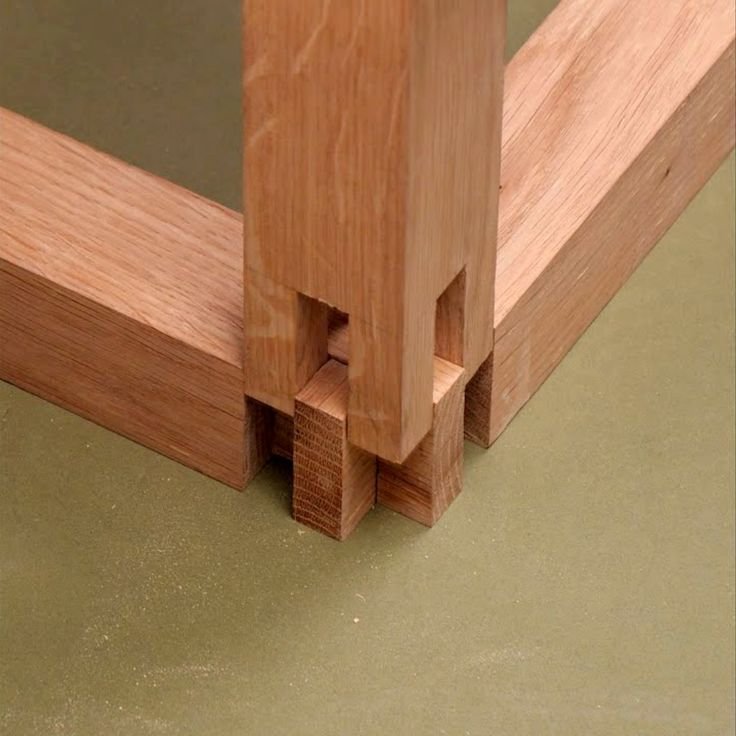
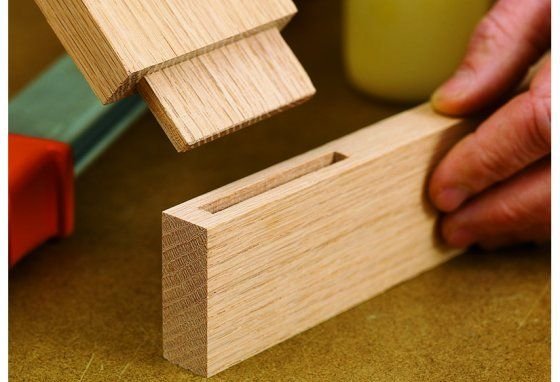
Joinery Methods: Mortise and tenon, dovetail, and biscuit joints for strength and seamless finishes.
Machinery & Hand Tools: CNC routers, planers, chisels, and sanders for shaping and refining wood.
Importance of Joinery in Construction
Enhances aesthetic appeal and adds value to properties.
Provides functional and space-saving solutions (e.g., fitted furniture).
Ensures precision and longevity of fixtures, reducing maintenance needs.
Joinery is a blend of craftsmanship and technical skill, playing a crucial role in the final stages of construction and interior finishing.
.svg)



