
MODULE 3
Materials and Fastenings in Carpentry and Joinery
Types of Timber
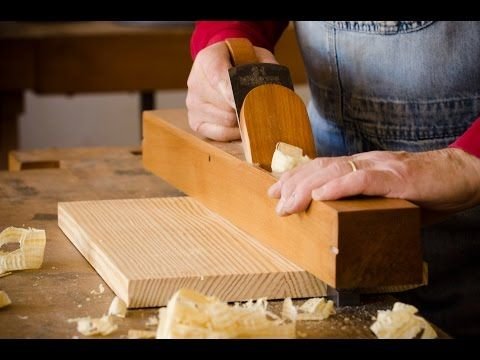
The selection of appropriate timber is fundamental to any woodworking project, with the two primary categories being softwood and hardwood. Softwoods, such as pine, cedar, and spruce, are derived from coniferous trees and are generally more affordable, lightweight, and easier to work with, making them ideal for structural framing, roofing, and basic furniture. Hardwoods, including oak, mahogany, and walnut, come from deciduous trees and are denser, more durable, and often feature attractive grain patterns, making them suitable for high-quality furniture, flooring, and decorative joinery. Engineered wood products, such as glulam (glued laminated timber) and LVL (laminated veneer lumber), are manufactured by bonding layers of wood together to create materials with enhanced strength and stability, often used in large-scale construction projects where natural timber may be insufficient.
Sheet Materials

Sheet materials provide versatility and uniformity, often used where solid timber is impractical or cost-prohibitive.
- -Plywood, composed of thin layers of wood veneer glued together in alternating grain directions, offers excellent strength and resistance to warping, making it ideal for cabinetry, sheathing, and subfloors.
- -MDF (Medium-Density Fiberboard), made from compressed wood fibers and resin, has a smooth, uniform surface that is perfect for painted finishes, moldings, and intricate CNC machining, though it lacks moisture resistance.
- -Chipboard (particleboard), formed from compressed wood chips and adhesive, is a budget-friendly option for shelving and flat-pack furniture but is prone to swelling when exposed to moisture. Each sheet material has specific applications based on its structural properties, weight, and environmental resilience.
Adhesives, Nails, Screws, Dowels, and Other Fixings
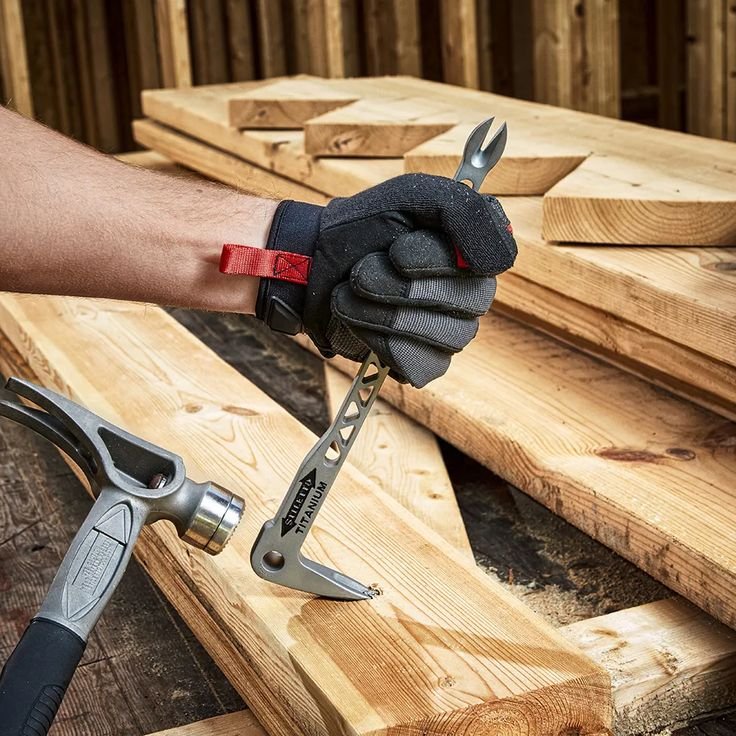
The choice of fastenings depends on the required strength, permanence, and aesthetic considerations of the project.
Adhesives, such as PVA (polyvinyl acetate) for general woodworking, epoxy for high-strength bonds, and polyurethane for waterproof joints, are essential for creating seamless, durable connections. Mechanical fixings include nails, which provide quick assembly but limited holding power; screws, which offer superior grip and are available in various types (e.g., countersunk for flush finishes, coach screws for heavy-duty work); and dowels, which reinforce joints invisibly and align components precisely during assembly. Other specialized fixings, such as pocket-hole screws for hidden joints and biscuits for alignment in panel glue-ups, expand the range of techniques available for different construction needs.
Moisture Content, Seasoning, and Wood Defects
Understanding wood’s interaction with moisture is critical to preventing warping, splitting, and other structural issues. Moisture content (MC) measures the water within wood, with properly seasoned timber typically having an MC of 8-12% for indoor use and 12-19% for exterior applications.
Seasoning, the process of drying wood, can be achieved through air-drying (slow, natural evaporation) or kiln-drying (controlled, faster reduction of moisture), with the latter providing more stable and predictable results. Wood defects, such as knots (weakened areas where branches grew), checks (cracks from uneven drying), and warping (twisting or bending due to moisture imbalance), can compromise structural integrity and aesthetics. Proper material selection, storage in a controlled environment, and acclimatization before use help mitigate these issues, ensuring long-lasting and high-quality woodwork.
This comprehensive understanding of materials and fastenings allows carpenters and joiners to select the right components for each project, balancing functionality, durability, and visual appeal.
.svg)



