
8.1 Introduction
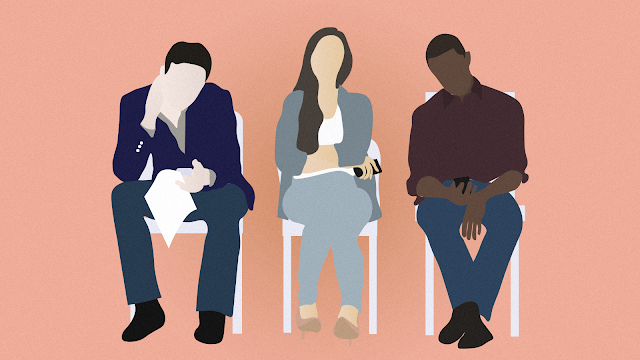
Regardless of how old, rich or successful we are, each one of us has
been duped at some time or other.
We have all had an experience where someone has either blatantly lied or withheld the truth.
Communications are often marred by misrepresentation of information and by lying. People may lie deliberately, or because they are embarrassed or ashamed. Whatever the reason, our bodies give us away when we lie or try to conceal the truth.
It helps to be able to identify gestures, expressions and postures that indicate lying behaviour. Lies can adversely impact our personal or professional lives and play havoc with our peace of mind. However, it is important to analyse the gestures in clusters and not in isolation, as explained before.
Some people may display some of these signs because they are nervous and not because they have something to hide. Once you learn the subject in detail, you will be able to interpret the behaviour in context.
Once we learn how to identify small but subtle gestures that indicate lying behaviour, our instincts will automatically develop. In reality, these instincts are nothing but subconscious recognition of such signs that tell us that a person is trying to be dishonest or sly.
Widening the scope of recognition of lying behaviours, lawyers, police force and other law enforcement officials often need to be able to interpret body language correctly. Heads of schools and colleges also need to be able to analyse incongruous body language, while enforcing discipline and determining the truth.
When the public, in general, watch politicians and leaders making speeches and promises, they also need to be able to tell a genuine individual from the fake ones. Witnesses often lie in a court of law and it pays to interpret subtle expressions and gestures. One needs to be very observant and quick, because, sometimes, these gestures are fleeting and occur in a few seconds. They are more obvious when recorded and replayed. Divorce lawyers will be able to tell if a spouse is lying, when deciding on a matter of settlement.
In every situation in life, whether it is entering into a business agreement, forming a relationship, deciding to buy a house or a car, or watching your children for illicit activities, you need to become a vigilant observer of human behaviour. Subtle visual and auditory signs can help us to identify lying behaviour and take control of a situation, before it gets out of hand.
Fact
When we become accustomed to telling lies, our brain
gradually adjusts to the habit and our body reveals fewer clues to our inner thoughts.
Source: The Independent UK Oct 2016
8.2 An Introduction to Lies and Lying Behaviour
“No man has good enough memory to become a successful liar” - Abraham Lincoln
Although lying is a negative behaviour, it is not always practiced with the intention to cause harm to others.
For example
People tell lies to protect someone from getting hurt, for self-preservation and also, to avoid rejection and punishment. Of course, many fraudsters and conmen may lie for unscrupulous reasons and spouses may lie in
order to cheat on their partners. However, regardless of the reason, our bodies and faces give us away when we lie.
The lack of synchronicity between the truth and vocalised language expresses itself in four components:
facial expressions
body language
speech
voice patterns
If you experience any instinct or inner voice that warns you that the other person is not being honest, learn to trust your instinct. This is because our bodies and mind are subconsciously responding to cues that we have noticed on a subtle level. It is also important to analyse all body language in context.
In order to be able to interpret the body language of a liar accurately, you must pay attention to the position, stance, gestures, expressions, eye contact and speech patterns taken as a cohesive whole.
Many of the gestures and expressions that are associated with lying are also exhibited by nervous and timid people.
All of us can be said to lie at times, because it is not always possible to speak the truth as the thought flashes through the mind.
You cannot tell your boss that she looks fat. You may not like to tell your mother in law that she is a nasty, interfering old woman. Similarly, you may not like to tell your teenage son that his girlfriend appears to be a terrible person. We all tell lies at some time or other.
However, there are different types of lies. Social lies are said to make people feel comfortable and white lies are said for motives of kindness - “Your chocolate cake is just the loveliest one that I have ever tasted”- even if you have a chipped tooth after eating it.
Malicious lies, however, are said to cause harm to others. The lying behaviour and body language that we describe in this module is useful in detecting malicious lying behaviour. The motivation behind telling a lie is a crucial factor. Liars who believe that they have a strong moral justification for telling lies may find it easier to regulate their body language and the truth seeker will find it more difficult to get at the truth.
The techniques explained in the module are not foolproof. It can be extremely difficult to detect deception, even for seasoned law enforcement officials. Each human being is different and their beliefs, motivations, biases, prejudices, attitudes and thoughts differ across a wide spectrum.
However, having said that, there are several small signs that may indicate lying behaviour. No gesture or behaviour can be analysed in isolation. If you want to improve your ability to detect lies, you have to use all of your senses while observing the person.
Activity 1
Estimated time: 10 minutes
Can you remember a time when you were obliged, because you were unable to tell the truth?
Did you experience a change in your body language? How did the other person react?
8.3 Changes in Breathing Patterns

One of the first changes that you can observe about a person who is lying is the breathing pattern.
When a person is honest, their breathing is relaxed and calm and you will be able to actually see the abdomen moving up and down slowly. Often, when a person begins to lie or show signs of deception, you will be able to see the chest and shoulders rise and fall, instead. This is because there is tension visible in the upper chest and shoulder area. In addition, you will also notice the person puffing out his cheeks and exhaling audibly.
This is because the individual is attempting to oxygenate themselves, because of the sudden build-up of carbon dioxide in their system. The carbon dioxide has built up because they have been unconsciously holding their breath.
Thus, the liar tries to regain their composure by taking in huge gulps of oxygen and consequently, exhaling the air out by puffing out their cheeks. The individual experiences an increase in stress, due to the juggling of facts and formation of lies. Changes in Skin
The skin also blows the whistle on lying behaviour. The colour of the skin and excessive perspiration are common signs of lying behaviour.
For lighter skinned people, the skin becomes flushed and blotchy. In addition, redness may appear in the facial area, ears and neck. The redness may vary from light pink to a dark red, whilst in darker skinned people, the skin may assume a pale or ashy pallor. The redness is again due to an increased rush of blood to the vessels and capillary action, caused by a spike in adrenaline. The increased rush in blood may also result in the popping of veins on the forehead area.
A person who is lying may also experience excessive perspiration, due to the increased body temperature. It is common to observe sweat on the forehead, cheeks, nose, upper lips and chin. In fact, the accumulation of beads of sweat on the upper lips is often a clear sign of deceit.
Changes in Posture
You may observe sudden changes in posture, as a person begins to lie. Their back and shoulders may stiffen and the shoulders may roll forward. The head also becomes bowed.
This is due to an inward feeling of guilt and shame, which may be hidden behind a smile or general cockiness.
The head bowed and shoulders forward can be described as a quasi-fetal position that expresses emotional vulnerability. Outwardly, the person may smile and make eye contact, but the turtle-like head position gives them away.
Yet another tell-tale symptom of lying is tilting the head slightly to one side and then shrugging the shoulders. Liars may also suddenly jerk their bodies backward - quite literally have their backs against the wall at the instant when the lie is discovered. Similarly, the person in question will lean forward, in an attempt to ingratiate herself with the speaker. This is again a subconscious attempt to appear likable and affable. Fidgetiness or Staying too Still to be Natural
The autonomous nervous system sets off a trigger or the “fight-or-flight” syndrome, thus resulting in excessive fidgetiness.
The body wants to flee the stressful situation and this is why the extra energy is expended in the form of fidgetiness and the inability to sit still.
On the other hand, staying still may be a sign of the "fight” syndrome. The person is subconsciously stilling his body, in readiness to confront the situation. In some instances, this rooted position could
be accompanied by the gripping of arms.
In this fixed position, what the liar is actually trying to do is to micromanage their body movements, so that tell-tale signs do not give them away. But, in effect, it comes across as stiff and unnatural and becomes a red flag for deceit.
Changes in Position of the Head
If the person jerks their head forward, backward or tilts it to the side, it may be an indication of lying behaviour. Of these, it is most common to tilt the head to one side. This movement suggests uncertainty and thinking around the issue - the person is most probably trying to manufacture a plausible lie. Touching or Covering the Throat
Touching or covering the throat is also a probable sign of lying.
The throat is a vulnerable part of the body and the person covers the throat in an attempt at self- preservation.
Similarly, a liar may also loosen his collar, or tug at it, because of typically getting “hot under the collar”. This is due to a sudden surge in body heat, caused by a spike in stress levels.
Gulping or Swallowing Hard
Liars will often be observed to swallow hard or gulp. This is due to a tight, scratchy feeling in the throat, because of reduced saliva production in the mouth. This action is more visible in men, because of the Adam's apple. Many times, the liar will often stop in mid-sentence, in order to relieve the dry feeling in the throat by swallowing.
Changes in the Hands and Fingers
Nail biting and finger nibbling is often a sign of the stress induced by lying - people put their fingers or nails in the mouth in a bid to relieve the tension.
Similarly, covering the mouth with your hand is an instinctive gesture (we actually develop this gesture during childhood), which indicates lying or concealment. Covering the mouth is an emphatic gesture that actually indicates that the person does not want to say any more. This gesture may imply one of two things - either the person wishes to close off communication and say no more, or the lie has been caught and the person is embarrassed. People who lie may instinctively cover vulnerable parts of the body, including the neck, chest and abdomen, as this is a primeval and instinctive reaction. The autonomous nervous system often increases the flow of digestive juices and the person may experience sudden contractions in the stomach and cover his abdomen. He may also feel like visiting the restroom. Some people also cover their private parts, when they are caught in a lie.
Fact
An overwhelming majority of parents lie to their children many times - and children tend to emulate the behaviour as they grow older.
Source: BBC News Education January 2013
Shielding of the Torso, Crossing of Arms and the Cold Shoulder
A person may cross their arms due to the cold, but if one arm is flung across the torso whilst the other is crossed on the chest, it usually signifies that they are protecting themselves.
For example
If you notice someone suddenly crossing their arms on their torso, it could signify that they have just told an untruth, or are about to tell one. At the subconscious level, the person is blocking you from the truth by physically crossing their arms across their torso.
Similarly, raising one shoulder indicates that you are trying to block off the other person. Crossing the arms and showing a cold shoulder may also indicate dislike and is not necessarily a sign of lying behaviour. You must interpret the gestures in clusters, in order to read them accurately. Increased Itchiness
The increased flow of blood to capillaries and vessels may often result in itchiness. This is why it is common to observe suspected liars scratching at their head, face and chin. Itchiness can occur when the person is about to tell a lie, or has already told one.
Recurrent Gestures (tapping, hand rubbing, grooming and picking) Tapping, hand-rubbing and picking are ways to relieve anxiety, when the body is experiencing a rush of adrenaline due to lying behaviour. The person may also wring their hands (this gesture is more common with women) or rub their hands together, in a subconscious effort to mitigate anxiety. The autonomous nervous system may cause sudden changes in the body temperature and the extremities are the first to experience this. The person tries to rub their hands together to generate heat.
Hence, if you ask a person a direct question and they rub their hands, it could indicate lying behaviour or a fabrication of the truth. Smoothing the hair repeatedly, or picking at yourself, etc. are self-soothing gestures, because you
are inwardly stressed. If you observe a person playing with their hair, it could indicate indecisiveness, or they are buying time. Women tend to groom themselves repeatedly when they lie.
This includes smoothing their skirts, picking at imaginary dirt off their face, or playing with their hair.
Liars will also tend to have their palms facing inwards, with the backs of the palms facing the interrogator. This is a gesture that instinctively indicates guardedness and self-protection. At times, you may observe someone who displays conflicting gestures.
For example
One palm may face outwards, whilst the other may face inwards. This often indicates conflicting emotions. The person in question may be lying even to themselves and may feel conflicted about what the truth is.
Excessive hostility, aggression and defensiveness may also indicate lying behaviour. The person tries to accuse you of lack of trust and tries to turn the tables on you. In this situation, the focus is on you instead of them. Hostility and aggression is often expressed by pointing a finger. Concealing Arms and Hands
Most liars will also conceal their arms and hands in a gesture, to hide something when they lie. They could be smiling and looking at you, but if their hands are out sight in their pockets or hidden behind their backs, it could be an indication of lying.
Change in Position of the Feet
If someone changes their feet suddenly during a conversation, they could be lying or not admitting the full truth. If they take their heels off the ground, it could imply the "flight” component of the "Fight-or-Flight” syndrome. The person in question wants to flee the room. The same feeling can also be indicated by the feet pointing to the exit.
Contrasting feet positions can clearly indicate contradictory feelings.
For example
If a woman tells you that she loves you and her feet are pointing at the door, she does not really mean it.
This includes a pigeon-toed stance, when the feet are placed tightly together and pointing at each other. This lying behaviour is particularly demonstrated by children when they have done something wrong.
Activity 2
Estimated time: 10 - 15 minutes
Why do you think that it is extremely useful to be able to identify deceit and lies?
How can this ability help you in your personal and professional life?
8.4 Facial Expressions that Indicate Lying Behaviour
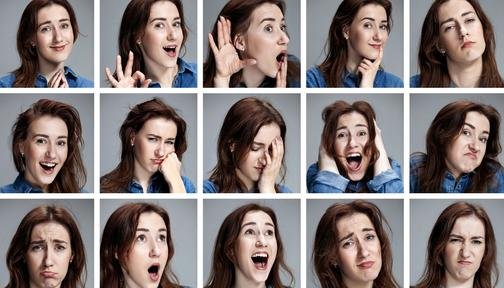
For accurate interpretation of facial expressions, etc., it is important to observe the person for a few minutes, to get an idea of their natural gestures and expressions.
For example
Some people may naturally blink a lot, or may glance around the room several times. Hence, when they express such behaviour, it does not indicate a deviation from normal behaviour.
However, if a person is in the habit of holding your gaze, you should note it if they suddenly look away from you at a certain point in the conversation. Once a foundation for natural body language has been established, the following gestures and postures are indicative of lying:
Eye movements
Our eyes clearly reveal lying behaviour, because eye movements are controlled by the same biological mechanisms that control emotions and responses.
This is technically known as the LGN or Lateral Geniculate Nucleus.
Evasive gaze/closing the eyes/looking away/rubbing
Most people have a tendency to look away when they tell a lie - this is one of the most obvious signs of deception. In effect, they are looking away in order to avoid seeing your facial expression or to “save face” quite literally.
Habitual liars find it difficult to maintain eye contact and will break away constantly, by glancing either upwards, downwards, or to the left, etc. If a person who normally has a steady gaze looks away from you suddenly, there is strong likelihood that the person is telling a lie.
The evasive glance can often be traced to a feeling of embarrassment and shame, because the person feels that they have lost control over your feelings.
Liars who look down also do not want to be distracted by the negative reaction of others in the room. It is also common to observe liars physically covering their eyes, because the action of remembering all of the embellished facts and lies is extremely exhausting.
Covering the eyes is a subconscious way of relieving the muscular tension around the eye area. Eye rubbing is also a way of soothing the tense area around the eye. Staring Liars often overcompensate by staring at the other person. This can also be interpreted as an attempt to intimidate the other person, by staring them down. Experts suggest that even during times of steady or excessive staring; their eyes may sometimes dart sideways or upwards. People
sometimes stare in this manner if they feel defensive - the only way that they feel “safe” is to intimidate the other person.
The staring can sometimes transform into glaring and the person may narrow their eyes and exhibit signs of hostility. They are angry that the others are refusing to believe their lies. At this point, the individual in question is either lying or angry or, most probably, both. Widening of eyes
The widening of eyes may often indicate genuine surprise, but it could also express lying behaviour.
The eyebrows may also rise.
Widening of the eyes occurs when lies have been discovered and the whites of the eyes also expand.
The expression betrays shock and surprise that their statements are no longer believed.
Rapid blinking/squinting
An excessive rate of blinking is often a sign of fear and stress, because the person is subconsciously trying to block you out. Rapid blinking also expresses the extreme fear of being found out. Squinting may occur at a point in the conversation where the person is expressing self-righteous indignation and is trying to emphasise a specific point.
Lying behaviour may also be indicated by swelling capillaries and itching in the nose area. Liars will often rub, pull, or scratch at their nose. The nostrils flare and they may experience shortness of breath. The swelling also triggers the sensation to sneeze.
Lastly, the mouth may feel dry and the person may keep licking their lips, swallowing and swinging their lower lip sideways. Their words may also be accompanied by a fake smile that does not reach the eyes - the lips will be tensely drawn upward and the person will usually prefer to look away from you.
[Tweet "I just completed Module 8 of the Body Language Diploma Course"]
.svg)



