
4.1 Introduction
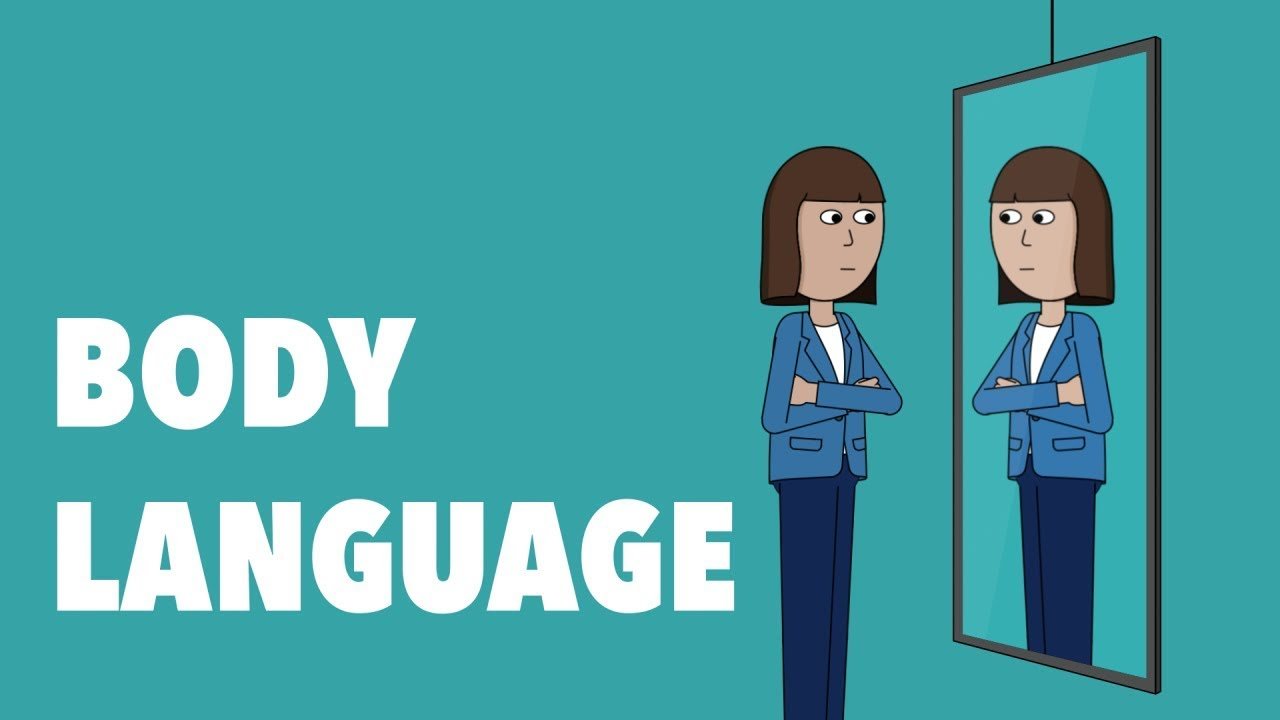
Body language should always be read in context with other spoken words and gestures.
Certain physical factors, such as exhaustion, illness, addiction, hunger, or thirst can distort body language and interpretations made at this time may be erroneous.
Since our body language has been genetically transferred to us since the time that humans were primates, we tend to react to others from a survival point of view. We have a tendency to quickly gauge if others like us or not. Mirroring of body language is used to bond and understand the other person and most of do this instinctively.
Factors that may interfere with reading Body Language Correctly are:
Exhaustion
Weather (extreme cold or heat)
Inadequate food or drink
Substance addictions
Illness
Gestures
Gestures made by the lower half of our bodies, especially the legs and feet, are often uncontrolled and are thus expressive of our innermost feelings. In general, feet and legs are not only the tools for locomotion, but they also express the fight-or-flight survival response intuitively. We encounter several common gestures in everyday life, which actually reveal a lot of subtle emotions. These gestures convey a lot of hidden meanings which, when taken in context with spoken language, can be evaluated to a high degree of accuracy.
For example
Rubbing the back of the neck, clasping wrists or hands, pointing in the air and leaning in a specific direction can all speak volumes about our hidden emotions and intentions.
Mirroring
Mirroring is a natural, instinctive action that helps us form a rapport and bond with others. Mirroring involves unconsciously (or consciously) copying the gestures of another person, in order to express a sense of unity. When mirroring is used effectively, it can help you to validate another person's feelings and help the person feel a sense of gratification and pleasure.
Fact
Mirroring is shown to produce real, tangible results.
Waitresses are known to pick up extra tips, when they subtly mirror the customer's postures
Source:sha.cornell.edu
4.2 Leg Positions
Men and women tend to sit in different positions and this fact should be considered when interpreting body language .Leg positions and signals can also be changed after the individual has sat in the same position for 20 minutes or more. This may be due to tiredness or discomfort. It is also important to interpret leg positions together with arm positions
The Figure Four Leg Clamp
The figure four leg clamp is different from the American leg cross in that the person holds his leg in the former position. One leg is down on the floor and the other leg is positioned on top. The legs form a figure of “4”.
The person then holds (or clamps) the leg in position. This is a common position in the corporate world and usually indicates obstinacy, competitiveness and an unwillingness to listen to a different point of view. Such individuals are usually highly opinionated and are likely to engage in disagreements or confrontational behaviour.
Important: In all leg crosses, the upper knee is generally known to point towards an object of interest or disinterest. The more well defined the position, the keener the sense of attraction or repulsion.
The Ankle Lock
Men may lock their ankles, whilst gripping their knees or the chair armrests. Women may lock their ankles and position their legs to one side. Their hands may rest one on top of another, or lightly on the upper thighs. The ankle lock is typically indicative of holding back negative emotions.
For example
During interview situations the interviewee may pull his legs under his own chair in an unconscious gesture. This implies that he is repressing fear, nervousness, or worry.
People who wish to participate in conversations usually put their feet into the group.
Here are some common situations where people can be observed to lock their ankles:
During interviews, especially in the beginning.
Candidates sometimes begin to relax after a while and automatically unlock their ankles .
Defendants seated outside a courtroom usually lock their ankles
Patients in a dentist's office are also observed to lock their ankles, once seated in the chair
Negotiators who lock their ankles are usually found to be concealing important information.
Sometimes, women may tend to sit with their legs entwined all the way. This often indicates nervousness, protection, or insecurity. The best way to approach such women is to talk to them in an easy, friendly and approachable manner.
Scissor stance
The scissor position (the legs are crossed like scissors) is more common with women. This specific posture is more commonly noticeable at parties or gatherings. The scissor cross also indicates a lack of connection and involvement with livelier sections of the group. In certain cases, when legs are crossed and arms are left uncrossed, it can indicate submissive agreement.
Knees slightly buckled
When the knees are slightly bent in a standing posture, it could indicate anticipation of a burden or responsibility. Women in general prefer keeping their knees together, or keeping their legs in a parallel position. This is considered a neutral position, that is neither sexual in tone nor does it indicate withdrawal.
Activity 1
Estimated time: 10 minutes
How do you think that leg posture and feet position, etc. helps us convey subtle messages to others?
Why are legs a particularly intuitive way of expressing our inner feelings?
4.3 Common Gestures observed in Everyday Life
Recurrent gestures
These are such as eyelash or skin picking, nail biting and hair twisting etc.These gestures are known to indicate a predisposition to irritability, nervousness, or even perfectionism. People who indulge in these gestures are found to be generally more prone to negative emotions, including dissatisfaction, impatience and frustration. They are also more likely to increase the fidgety gestures during times of stress or tension. Conversely, they are less likely to indulge in them when they feel relaxed.
Such gestures are usually perceived as distracting and others may perceive your personality in a negative light.
Tapping or drumming fingers on the table
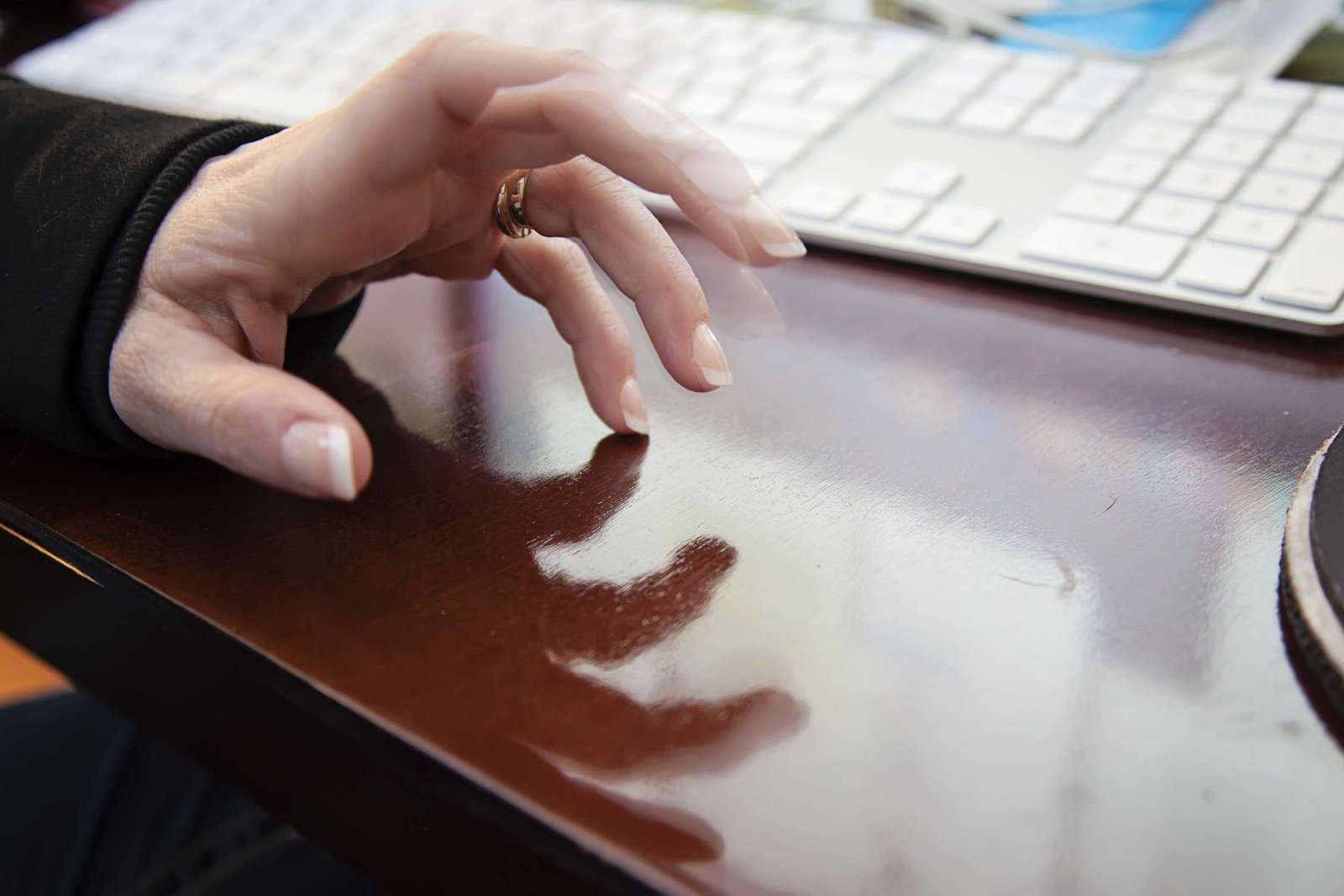
This can indicate impatience or boredom. In frequent cases, it also indicates frustration, or that the
person wishes to withdraw from the discussion.
Pointing fingers
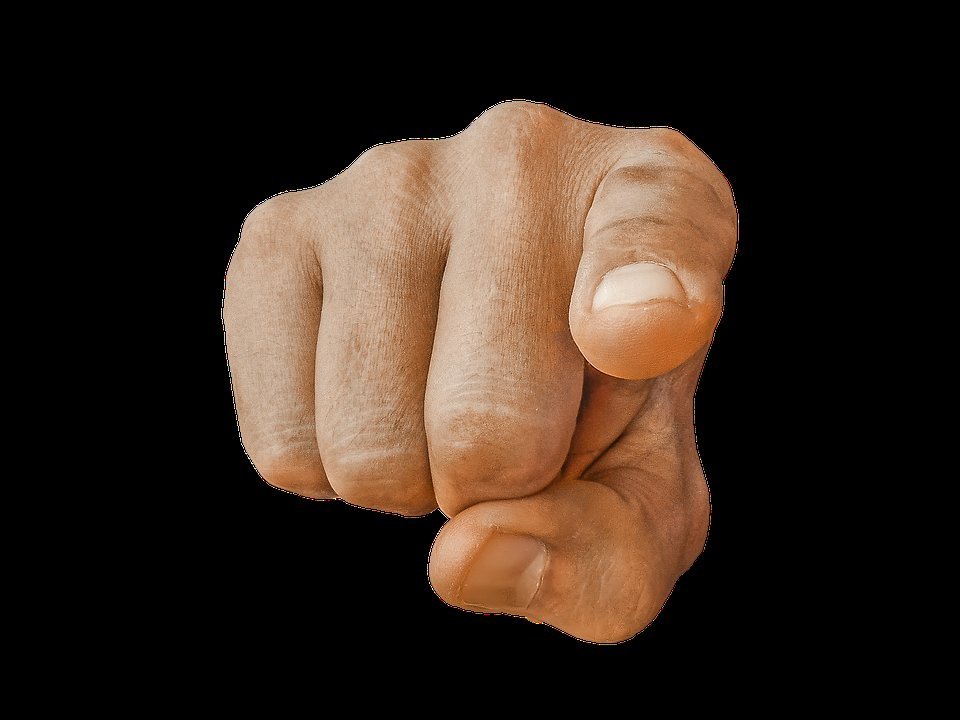
We tend to point our finger whilst explaining directions to someone. Overall, it is considered rude to point at someone and may be perceived as a threatening gesture.
As a rule, people who are prone to anger issues tend to point more directly at people, as well as at their own selves.
Pointing a finger at someone is often perceived as offensive, invasive and confrontational. A more aggressive variant of finger pointing is jabbing a finger in the direction of a person.
If you wish, you can soften this rather demeaning gesture and point with your whole hand instead.
Pointing fingers in the air adds emphasis and indicates authority and is a gesture often used by public speakers.
Thumb
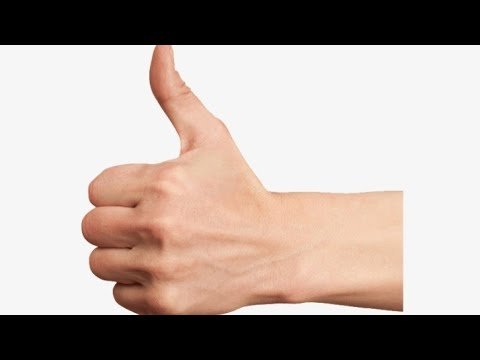
The thumb plays an important role in finger body language. Held upwards, it usually signifies agreement or approval. Held downwards, it could indicate disagreement or disapproval. When fingers are hooked into pockets with the thumbs hanging out, it usually symbolises friendliness, relaxation or authority.
Similarly, crossed fingers often indicates hope (or hope for the best), whilst inspection of fingernails may indicate boredom.
Steepling the fingers
You may often notice people placing their palms facing each other with the fingertips touching. This is usually a symbol of authority and power.
Rubbing your hands together
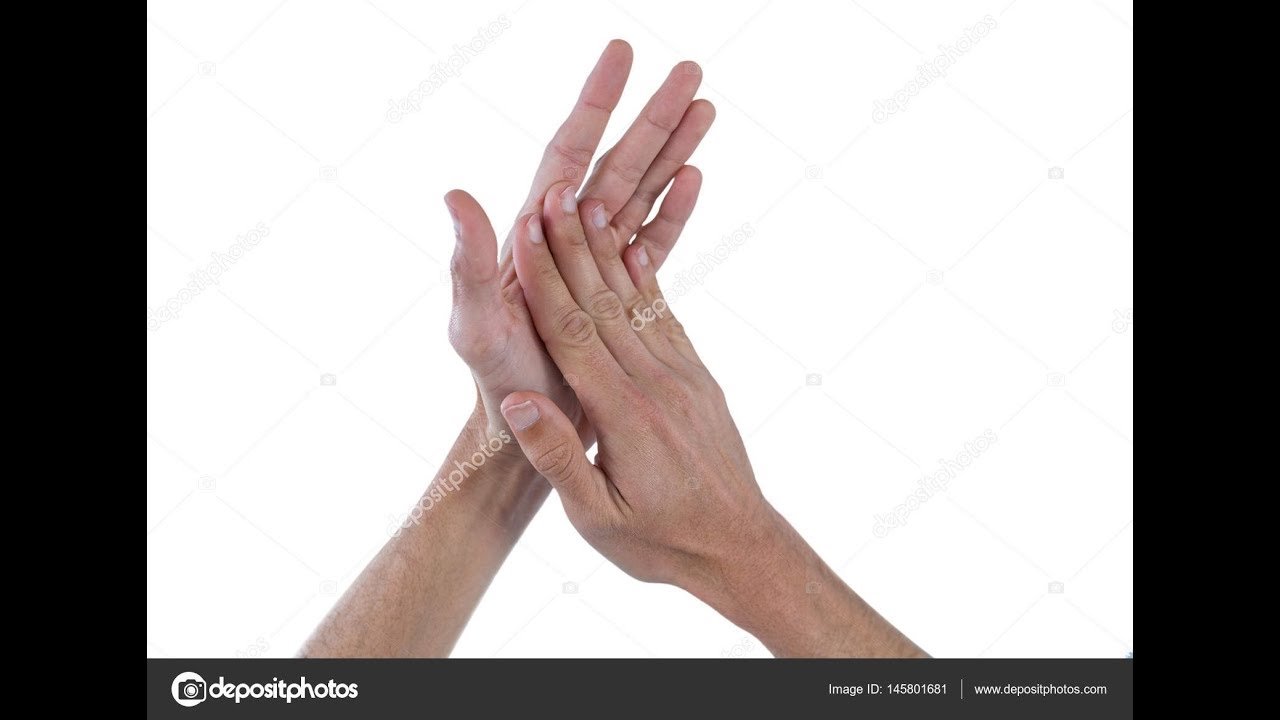
This may often indicate anticipation, excitement, or a challenge in a pleasurable way. However, this
is not recommended in general, as it can make you appear greedy and insensitive. On the other
hand, if you rub your hands together in front of your boss, in anticipation of a much deserved raise,
it is an innocent gesture.
Rubbing the back of your neck

This is a common gesture, especially with men. It usually symbolises discomfort or distress, or that
you want the conversation to end. However, this should be interpreted only in context. For example A person could rub the back of their neck because they have been slouching over a computer for a long time.
Cracking the knuckles
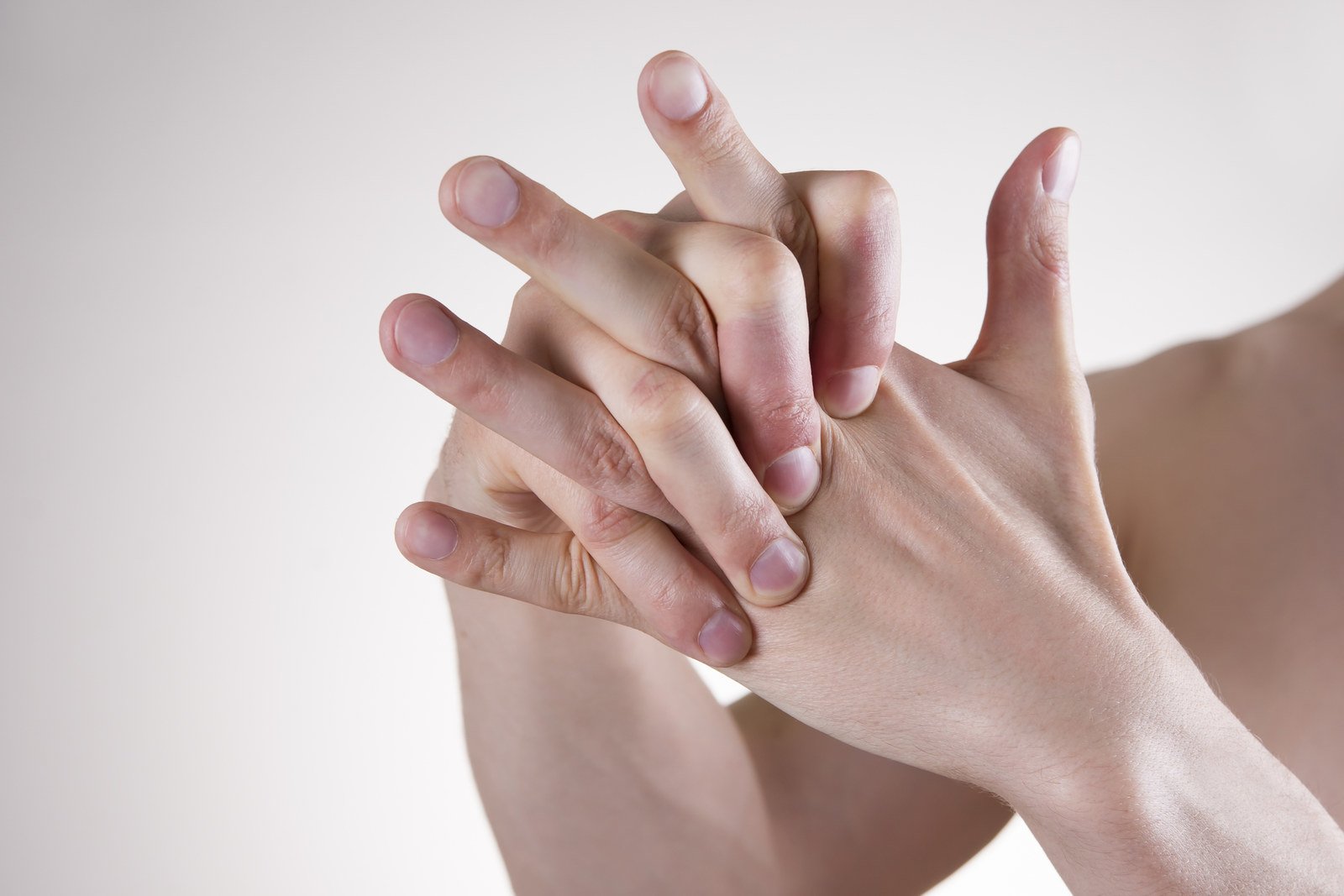
This is an extremely negative gesture and is often perceived as macho, arrogant and dominant behaviour. Traditionally, wrestlers and other fighters used to crack their knuckles before a fight with the opponent.
Biting or pursing the lips
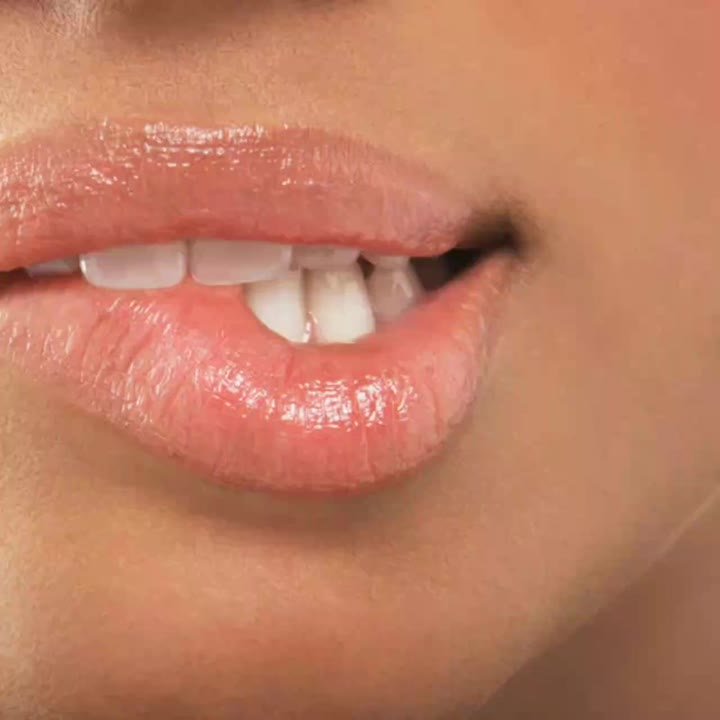
Biting the lips (especially chewing the bottom lip) is a sign of nervousness, insecurity, or worry. Similarly, pursed lips indicate disapproval, disagreement, or distaste.
Leaning too far in
If you observe, some people have a regular habit of leaning in too close when they converse. Whilst leaning slightly in is a sign of interest, leaning too far in can come across as obnoxious, overbearing and aggressive.
Squeezing or clasping hands
Clasping or squeezing the hands, or even rubbing the wrist are nervous gestures that indicate fearfulness or anxiety. The person is usually trying to reassure themselves that everything is going to be fine.
If you happen to interact with a person who is squeezing their hands, make them comfortable and speak to them in a quiet voice that helps calm them down.
Placing hands on the heart

This is usually a gesture that is more feminine and may indicate a wish to have the other person believe them. It also symbolises a wish to be genuine. In some cases, it may also indicate shock. The meaning would also depend on the facial expression and words spoken.
Clenched fists
This may demonstrate repressed rage or discomfort and may also indicate preparation for a challenging task.
Stroking the chin
A person strokes the chin when they are in the middle of a decision making process. The gesture may also indicate deep thought. If the gesture that follows the chin stroking is a closed one (crossed arms, legs, etc.), you should try further persuasion tactics, before they articulate a negative. On the other hand, if the gesture following the chin stroke is a positive one (palms outward, etc.), you can expect agreement.
Decision making can also be indicated by other gestures.
Examples:
A person who wears glasses may take off their glasses and put one stem in their mouth and mull over your arguments.
A smoker may take a thoughtful puff of smoke, whilst thinking over the ideas.
Some people may put a pen in their mouth.
Head resting in the hands
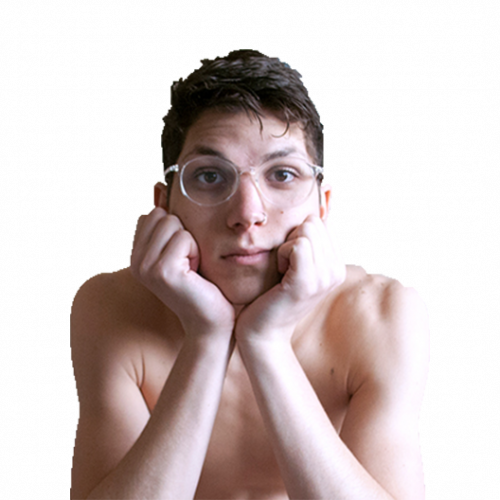
This is typically indicative of boredom and symbolises waning interest. The extent of leaning the head in the hands represents the extent of boredom.
The eye rub
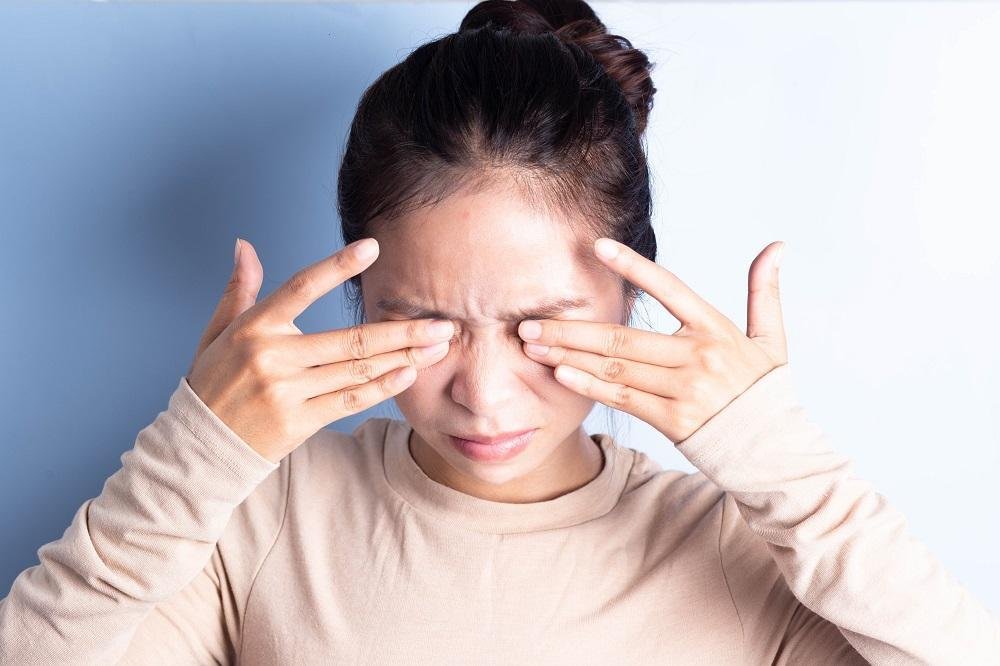
People often rub their eye lightly (or even vigorously), when they feel that you are lying or concealing something. The eye rub usually indicates disbelief and a feeling of distrust regarding the speaker's communication.
Rubbing the ear
You will sometimes notice people (especially women) rubbing one ear or pulling at an ear whilst interacting with you. Rubbing the ear or pulling at it is a more sophisticated version of covering your ears, as we did when we were children. At that time, we did it to block out any unwanted words (scolding from parents, etc.). We do the same as adults, but alter the gesture.
Similarly, it is also natural to touch or rub our ear when we are telling untruths. The action results in a sort of cognitive dissonance (lack of alignment or harmony), which results in the intuitive touching of ears. At other times, touching the ear can simply mean boredom, or even nervousness. In other situations, pulling of the ears may also indicate indecision or the inability to come to a decision.
Fact
Eye contact should roughly dominate about 30% to 60% of the conversation. At this level, eye contact facilitates a productive interaction.
Source: Forbes.com
4.4 Mirroring Body Language
Since our body language has been genetically transferred to us since the time that humans were primates, we tend to react to others from a survival point of view.
We have a tendency to quickly gauge if others like us or not. Mirroring of body language is used to bond and understand the other person and most of do this instinctively. The neurons in the brain recognise certain facial expressions and this causes us to copy body language.
Research studies into the subject of body language have indicated that mirroring body language helps to establish a sense of mutual understanding, connection and trust. We mirror body language amongst each other, in order to foster a mutual bond and experience a sense of unity. In effect, mirroring body language says: WE are similar and so I feel comfortable being around you.
This principle applies to group or crowd situations too.
For instance
If you notice the audience at a rock concert, everyone identifies with the other people, and their body language (in the form of swaying or moving their hands) is often mirrored across thousands of people.
When the vibes feel right, you automatically tend to synchronize your body language. A vibe is nothing but an intuitive interpretation of the other person's body language. Playing music during a party or a date helps bring people to the same vibe and consequently, they begin to synchronize their gestures and expressions.
If you intentionally adopt a specific body gesture or posture, you are likely to experience the feelings associated with that state.
This is an extremely useful concept, which is used to group interactions.
For example
If you are feeling insecure or nervous before a presentation or speech, you can try squaring your shoulders and lifting your chin (you may see other speakers doing this too). This will automatically help to boost your confidence levels.
Mirroring can be described as the unconscious act of copying actions and gestures of people that we wish to bond with.
Similarly, if you are feeling depressed, try smiling, even if it feels forced initially. As you mirror everybody else's smiles, you will gradually feel your low mood automatically lift. The converse is true too. If the people around you are wearing morose or serious expressions, you are likely to mirror their gestures.
Mirroring in technical language is often referred to as "limbic synchrony” and the technique can be effectively used to develop rapport and build relationships. Mirroring helps reinforce social orientation and a subconscious increase of goodwill.
Mirroring body language is an effective technique used in the field of sales. If the prospective customer changes her posture subtly in order to match yours, then you can expect her to be receptive to a sale. On the other hand, if she does not match her body language to yours, then you will probably have to convince her some more.
Overall, women mirror body language more naturally compared to men, because they have an intuitive ability to interpret and respond to body language.
In fact, if you observe two women talking to each other, you may receive the impression that the events that they are discussing have been experienced by both. They tend to develop a deeper sense of empathy. Their superior ability to interpret subtle body language and gestures helps them to define "hidden” emotions and vibes. Women are able to immediately identify anger, hurt and resentment and they can accurately gauge the relationships around them.
Men, on the other hand, tend to mirror fewer facial expressions, because their brains are programmed to mask their true feelings compared to women. In fact, studies indicate that we not only mirror gestures, but also tend to copy intonations, tone and pitch and so on. This fact can be effectively used during communication, to help regulate the connection to the other person.
For example
If you speak fast, it will make the other person feel pressurised too. Speaking succinctly at a slower pace helps the other person relax. However, we should exercise our sense of control whilst using mirroring to our advantage.
For instance
If you unconsciously mirror your boss' rather dominant stance, he may find it offensive. On the other hand, if you feel that someone is trying to intimidate you, then mirroring their body language will help to establish a sense of equality and confidence. Mirroring other people's positive body reflections helps to establish a sense of connection and trust, but mirroring negative gestures can set off a bad vibe.
Since mirroring is a way to reflect feelings and intent, it helps you to socialise better with other people. You must be subtle with your mirroring.
For example
If they use hand gestures, you should consider using hand gestures too. If they sit with their legs parallel, you should consider doing so too.
Mirroring as a persuasive tool is not confined only to physical gestures, but also to voice intonation, volume, rate of speech and so on. Effective mirroring can help develop a deep sense of rapport, because it is a form of validation of what the other person is feeling.
For instance
In a personal setting, the other person could be feeling low and depressed. By discreetly mirroring another person's gestures, you are silently telling them that you understand and validate their emotion.
At some point, you will find that you have been able to establish a rapport, because the person experiences an inner sense of gratification. A sales prospect, for example, becomes much more amenable to persuasion beyond this point.
A good way to find out if the mirroring has worked successfully is to gently change your posture. If the other person also subconsciously changes his, then the rapport has been successfully established.
This explains why calm people may lose their cool, when they are in the midst of a crowd or mob. The principle of mirroring explains why societies that were expert in mirroring always dominated the world, due to the cohesive nature of their interactions. Mirroring can happen on a subtle level, such as flaring of nostrils and dilation of pupils.
Activity 2
Estimated time: 10 minutes
How would you use the art and science of mirroring in your job or business?
How do you think it helps establish a rapport and empathy with prospective customers?
4.5 An experiment proves our natural propensity to mirror others.
If you took a photograph of yourself and one of yourself in the mirror, studies indicate that we would prefer our mirror image.
The reason for this is that we are used to seeing others like this on a daily basis. Mirroring makes us feel accepted and part of the group, instead of feeling left out.
Teenagers often tend to bond better with those of their peer group whose gestures, postures and behaviours they mirror.
[Tweet "I just completed Module 4 of the Body Language Diploma Course"]
.svg)



