
13.1 Introduction

As you probably know by this
point in the course, there are a number of support methods available for those
with dyslexia but there is no cure for the condition. However, by employing
some of the support methods found in this module, people with dyslexia can
learn to manage their condition and, when that happens, there is no reason as
to why they cannot lead successful lives.
13.2 Therapy and Intervention

There are a number of therapies
that people with dyslexia can use, in order to improve their relationship with
words.
Some of the most common include:
-Speech therapy
-Educational therapy ADD/ADHD therapy
-Psychological counselling
13.3 Speech Therapy

Speech therapy is one method of
managing dyslexia, and these sessions are conducted by a speech and language
therapist. When a dyslexic person sees a speech and language therapist, the
therapist will evaluate the patient's needs, the cause of the issues and then
decide on the best way forward. In most cases, the therapist will work with a
student one-on-one, but, in other cases, small group work or even classroom
work can help.
speech and language therapist can help include:
Fluency issues - These include issues with
speech flow, such as stuttering.
Articulation issues - These are issues whereby
people cannot speak clearly or make errors when they speak.
Voice or resonance issues- Issues with the
quality or pitch of the voice.
Receptive
language issues - Issues understanding others' language.
Expressive language issues - Issues with
speaking or expressing themselves to others.
Pragmatic language issues - Issues using
language in appropriate ways which can occur in dyslexics who also have other
conditions, such as Autism Spectrum Disorder.
The specific strategies that a
speech and language therapist will use depend on the needs and challenges of
the patient.
These strategies include:
Articulation therapy - This type of therapy
focuses on helping a child with pronunciation issues and teaches them how to
move and position their tongue to correctly create a specific sound or sounds.
Using games such as the 'Articulation Station' application on iOS and Android
is a fun way to consolidate articulation skills.
Language intervention activities -This
strategy helps a child to build language skills in a number of ways, including
constant feedback and modelling. Speech and language therapists often use
pictures, books or play-based therapies.
Swallowing therapy - For some children with
dyslexia, swallowing therapy is used, as they might have motor issues. This
type of therapy includes exercises to strengthen the lips, tongue and jaw.
There are a number of benefits of
speech therapy for dyslexic individuals. Firstly, it can help a child to speak
more clearly, which can help them to feel more confident with language. This
confidence boost can also help children to feel more confident in school, which
can help with their marks.
Another benefit of speech therapy
for children with dyslexia is that it can help them to both hear and understand
different sounds in a word, which is something that many dyslexics struggle
with.
Ultimately, this will help them
with their reading comprehension skills.
The earlier a child starts speech
therapy, the better. In fact, studies show that approximately 70% of dyslexic
children who begin speech therapy in nursery or pre-school show improvement
with language.
Speech therapy can last for many
months or even years although, to reiterate, it is not a cure for dyslexia.
However, in almost all cases, improvements in language skills are seen. A
therapist will generally advise parents to
continue with the therapy at home, as children who make the most progress with
this type of therapy have parents who are actively involved in the treatment.
13.4 Educational Therapy

One of the main issues that
children with dyslexia often have is difficulty at school. Most have learning
issues, and then, when you add in attention issues, with which dyslexics also
suffer, frustration occurs on a daily basis. For children who struggle with
this, educational therapy can help them to develop better academic skills and
help them to build up self- confidence in the classroom.
How Does Educational Therapy
Work?
Many children struggle in the
classroom, but those who are dyslexic often have extra difficulties. When this
occurs, an educational therapist can help the child to improve upon these
weaknesses. Educational therapists can also help a dyslexic child to develop a
better attitude about school as this is something with which many dyslexic
children struggle. Educational therapists may have a private practice, or they
may work in a clinic, learning centre or even a school. They work with children
and adults of all ages, and most come from a background in special education,
with training in speech and language.
Here are some of the things that
an educational therapist can do for someone with dyslexia:
Recognise the issues that the child has in
regards to their disability. This includes any underlying attention and
learning issues.
Teach strategies that can help a child improve
their memory, attention span and concentration.
Teach organisation skills.
Develop a treatment plan that is based on both
informal and formal assessments, and then track progress based on that plan.
Offer an environment in which children feel
safe to talk about how they feel about school.
Act as a link between school and home.
There are a number of benefits to
those who engage in educational therapy for their dyslexia. The concepts that they
learn can not only help with dyslexia but can also be used in other areas of
their lives, not just in school. For instance, one of the concepts that
children usually learn in educational therapy is how to deal with anxiety.
Although this is usually specifically taught in relation to schooling, the
concept can also be used for other situations in life, such as getting their
first job.
Educational therapists can also
suggest other specialists if necessary, as many dyslexic students require a
team of experts to help them find success. Most people with dyslexia only need
to see an educational therapist for a couple of months, but others may need to
see these experts for a few years. It all will depend on the severity of the
dyslexia symptoms. Although an educational therapist cannot cure a child, they
can teach them and their family strategies that can help them to become a
success in school.
13.5 ADD/ADHD Therapy
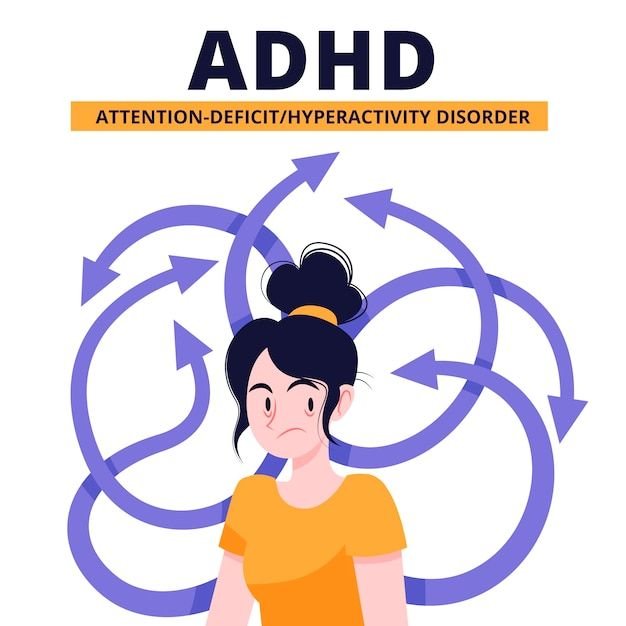
As has been established
throughout this course, many children who have dyslexia also have ADD/ADHD and
vice versa. There are a number of treatment options that not only help improve
ADD/ADHD but can also help with dyslexia. In most cases, the best approach is
to mix a number of these therapies, based on the needs of the child.
Medications for ADD/ADHD
As previously mentioned in this
course, medication is often given to those who have ADD/ADHD, and, in turn,
this can help those who have dyslexia. For many children, this medication can
help to decrease the hyperactivity that they often experience, and it can
improve their focus in the classroom. Additionally, many children who have
ADD/ADHD also suffer from anxiety which is also common in dyslexic children. In
this case, anti-anxiety medication can be helpful.
Therapy and Intervention for
ADD/ADHD
It can be helpful for children
who have dyslexia and ADD/ADHD to work with a therapist or other mental health
expert.
One of the most common therapies
for ADD/ADHD and dyslexia is cognitive behavioural therapy which was discussed
in Module 12, but there are other therapies available that are listed below:
Social skills training - There are some
children with ADD/ADHD who struggle with social situations. For instance, they
may have difficulties making friends or they may not speak or act in an
acceptable manner in social situations. To improve upon this, some children
find a lot of help by entering into social skills groups. In these groups,
children will learn a number of social skills that will help them
to act appropriately in public. Social thinking skills will also be introduced
to children who are in this type of therapy, and thus they are taught how to
react when dealing with other people. It will also teach them how their
behaviour can affect others.
Parenting skills training - It can be
challenging to raise a child who has ADD/ADHD and dyslexia, and, with parenting
skills training, a parent can learn how to best handle the challenges that
arise with their child. ADD/ADHD can affect the entire family, and, if a child
has dyslexia on top of it, it can greatly exacerbate the situation. This
professional training will teach the parent how to deal with the child's
behaviour and will teach methods such as redirecting, ignoring or rewarding
behaviours. The goal of parenting skills training is to help the entire family
to interact in a positive way.
Parent-child interaction therapy - If a child
with ADD/ADHD exhibits dangerous or defiant behaviour, parent-child interaction
therapy can help. This type of therapy is designed for children who show
aggressive behaviour that is atypical for their age. The therapist will work on
changing the way in which a parent and child view their relationship. Parents
are given information on improving their skills, to positively reinforce the
behaviours that they wish to encourage, and they will learn how to discipline
their children with these special needs.
Additionally, the child will
learn how to deal with their condition and how to control their behaviour.
FACT
Managing dyslexia in a
'multisensory' way can help children with dyslexia. An example of multisensory
teaching is where a child is taught to see the letter "a", say its
name and sound, and write it in the air, all at the same time.
Source: National Health Service
13.6 Educational Strategies to Help Children
with Dyslexia

There are a number of educational
strategies and support that can be used to help children who suffer from
dyslexia. These are shown below:
Modifications
Classroom modifications can help
to place students with dyslexia at the same level as other students in their
class. These modifications can be divided into several categories, including
materials, teaching techniques and classwork/taking exams. When it comes to
materials, modifications include using audiobooks, large-print textbooks,
pictures and other visuals, coloured strips for reading, soft yellow paper for
writing and special covers to assist visual clarity. There are also a number of
teaching technique modifications that can be used, including giving directions
in both written and oral forms, sticking to a specific daily routine, using
small group teaching, and repeating directions and asking the student if they
understand. Teachers can also provide the child with daily notes and, if
possible, teach in advance concepts that may be difficult to understand. When
working on classwork or taking tests, there are reasonable modifications that
can be made.
For instance Dyslexic students
can be given more time to work on tests or activities such as reading in class.
Additionally, they may have paper that has more space on which to write or
strips of paper that help a dyslexic student to write in a straight line.
Text-reading software, dictation software, and even partnering up with other
students can also help.
Instructional Strategies
There are also a number of
strategies that a teacher can put in place for dyslexic students in relation to
instructional methods. For instance, one of the aspects with which dyslexic
students have problems is writing. This course has already explained how
multi-sensory teaching methods can work well for dyslexic individuals, so it is
always a good idea for teachers to use this approach during instruction.
One such strategy is to use sand
or shaving cream, which is particularly beneficial for children who respond
well to touch. This method allows the teacher to sprinkle sand or shaving cream
on a coloured plate, and then teach the child how to write letters in the sand
or shaving cream. They are using several senses, including touch, to learn the
letters, and this method can be used over and over again, if it works for that
particular child.
For children who have dyslexia
and seem to learn best by hearing, tapping out sounds is another instructional
method that can work well. Tapping can help a student to both hear and feel how
sounds are blended to form words. For instance, consider the word 'cat'. By
using this method, a child can tap their index finger to the thumb as they
pronounce the 'k' sound. As they say the short 'a' sound, they will tap the
middle finger to the thumb. For the 't' sound, they tap the ring finger to the
thumb. This method will give them a method of connecting the sounds together,
in a way that their brain can understand.
Personalised Learning
One of the newest ways to teach
dyslexic students in a classroom is by using personalised learning techniques. Although this type of
teaching is relatively new, there are schools in the UK that have picked up the
methods and are now employing them in the classroom. The personalised learning
approach is based on the fact that children learn in different ways and at
different paces. When using this approach, each child will get a personalised
learning plan that is based on how they learn, what they know, and what type of
interests they have. Additionally, these plans are based on the skills that a
child has. This type of teaching is the exact opposite of how most schools
teach their students today. It involves the child and they have an opinion on
what they learn.
For example They meet with their
teacher to come up with both short and long-term goals, and they are required
to take ownership for their learning.
13.7 Methods to Use at Home

Of course, there are also support
methods for children with dyslexia that can be carried out at home. In many
cases, the same methods that are used to teach writing and reading in schools
can be used at home by the parents, such as writing in sand or shaving cream or
using tapping to learn spelling.
Here are some other things that
parents can do, to support a child with dyslexia at home:
Read to the child - This should be done as
often as possible, at least several times a week. By reading to a child at
home, a parent can help them to develop their vocabulary, teach them how to
enjoy books, help them to correctly pronounce words and to keep up with the
same books that their peers are reading.
Talk to the child - By talking to a child
about everything, a parent can really get to understand where their child might
be struggling without ever having to mention the word 'dyslexia'. By doing
things such as organising the home, preparing meals or doing other chores
together, a parent will begin to really see where their child's strengths and
weaknesses lie. Remember, dyslexia does not only affect schoolwork, it affects
many other aspects of a person's life.
Listen to the child - Parents should learn to
listen to and understand what a child is saying to them, not just hear the
sounds that come out of their mouths. By picking up on aspects such as tone, it
is fairly easy to find out how a child feels about their dyslexia and the
problems that they might be experiencing.
Playing games with the child - Children love
games, and they often love playing games even more when their parents join in.
Parents of dyslexic children can get a lot of insight into the abilities of
their child simply by observing them in play. If a child does not want to play
a certain game, such as one in which they may have to count or spell, this is
the perfect opportunity for a parent to step
in and show that this is a fun way in which to teach them.
Help with schoolwork - Helping with schoolwork
is another way in which a parent can support their dyslexic child. Not only
will the child appreciate the help, but this is also a way for parents to see
the problems that the child is having and how they might work with teaching
staff to overcome them.
Conclusion
Although there is no cure for
dyslexia, the support options available can help children to cope with their
condition. These methods can be utilised in school and at home, and, in some
cases, medication or therapy may be able to enhance the effects of the practices
that are implemented.
.svg)



