
8.1 Introduction

So far in this course, we have
primarily focused on how dyslexia negatively affects a person's ability to
perform tasks such as reading, writing and maths.
Science is another subject that a
dyslexic student will have to study during their time at school, and dyslexia
will also affect this area. However, dyslexic children generally do quite well
in science, as they are typically curious and interested in finding out about
the workings of the world.
Science is a subject that is
practical, and there are concrete examples that these children can see. They
love the ability to get 'hands on' with science, and, in this subject, their
literacy skills are not as important as they might be in other subjects. The
strengths of dyslexic students that work well in science include lateral
thinking skills, the ability to design experiments that pique their interest,
and the opportunity to contribute innovative ideas.
However, there is some overlap
between science and maths which could cause problems with students who have
dyscalculia. Additionally, students with dyslexia might have issues with the
specialised scientific vocabulary, and there might be difficulties with
formulae and facts.
This module will explore dyslexia
and science and how the subject of science should be approached by those with
this condition. There is also specific information in this module on how to
teach and assess physics, biology and chemistry skills, as well as some general
tips for working with dyslexic students in the sciences.
8.2 Dyslexia and Different types of Science

Different types of science may create
different issues for those with dyslexia.
By looking at the different types
of science and how those with dyslexia might be challenged, it can help to find
methods to help these children not only get to a point where they understand
science, but where they can actually excel in it.
Physics
When it comes to physics, a
person with dyslexia might have issues remembering formulae, as they often have
problems with their short-term memory. In addition, physics has a number of
specialised words that can be difficult to understand because many words used
in physics may be familiar to the dyslexic student but might have a meaning
that is specific to physics. In other words, these vocabulary words have dual
meanings such as 'force' or 'charge'.
Dyslexia students may also find
the use of symbols in physics challenging, and, as maths and physics often go
hand in hand, if a dyslexic student has dyscalculia, they might also have
difficulties with this subject.As with almost anything else, people with
dyslexia should be taught the importance of organisation when working on
physics and strategies such as using graphs or charts, highlighting information
with different colours, and making sure that they are using some type of
indexing or tracking system to categorise their homework can help.
Students who study physics may
also find that recording the classes can help, and these students should take
notes filled with pictures and diagrams, to help them see the systems used in
physics. As previously mentioned in this course, those individuals with
dyslexia should be given frequent tests or quizzes to measure their mastery of
physics and only be given small amounts of information at a time. If the
student is able to use a calculator, it can help to use one with coloured keys,
as some people with dyslexia have problems with calculator keys that are all
the same colour.
Students who have dyslexia should
settle into a routine, to give themselves the best possible chance of success.
These students are more comfortable when working at the same work station or in
the same environment. Checklists help, as do booklets or notes that contain
essential vocabulary, formulae and diagrams that the student will use again and
again.Teachers may also encourage students to rewrite their class notes. For
instance, they can do this on a word processing programme and it can help them
to absorb the material.
Biology
The main reason that people with
dyslexia have a difficult time with biology is because of the vast amount of
factual information. Additionally, there are a number of words in biology that
are similar, such as 'cerebrum' and 'cerebellum', which can be confusing for
those with dyslexia to differentiate between. Biology also involves several
abstract ideas which can be difficult to understand. These include ideas such
as the ecosystem or respiration. With physics, for example, students can see
reactions and it is logical. Biology is different, as one cannot always see
what is happening, yet they are asked to understand the concepts.
Another issue that people with
dyslexia have with biology is the difficulty with spelling. There are a lot of
technical words in biology with spellings that are unfamiliar to many students.
Those who have dyslexia will generally find these spellings even more
difficult.There is also a lot of data involved in biology which often
overwhelms those students with dyslexia, especially if they also suffer from
dyscalculia.
However, there are some ways in
which a student with dyslexia can excel in biology. Firstly, many dyslexic
students find that diagrams or charts can help them to understand the more
difficult biological concepts. However, these diagrams should be pre-printed,
as some students have difficulty filling them in, due to the unfamiliar
vocabulary.
With regards to vocabulary, it
can help students to keep a notebook or other resource in which they can list
common biological words. They can then reference this list for both the meaning
and the spelling of the word. Saying or chanting the words out loud before
lessons may also help.
Though diagrams can be difficult
for students who have dyslexia, they are commonly used in biology and may be
unavoidable. Fortunately, there are things that can help students when creating
and labelling diagrams.
Here are some tips:
-Make sure that the student knows how much
space they should use for the drawing or diagram.
-Advise them to lightly hold their pencil or pen, and then do a rough
sketch of what they are trying to draw.
into more detail.
-Any permanent lines should be firmly drawn
and then shading and colour should be added.
It is best to use pencils when
creating the rough sketch as they can easily be erased. Then the student can go
over the sketch again with a pen or other writing implement.
Chemistry
Dyslexic students may also have
difficulties with chemistry, and it can be even more difficult when students
have dyscalculia in addition to dyslexia. One of the reasons that chemistry is
so difficult for those students with dyslexia is because they have difficulties
with the chemical terminology and the notation that is often used in chemistry.
For instance
Chemistry students must read,
remember, pronounce and reproduce terms and concepts. On top of this, they must
associate these concepts, words and notations with other chemistry concepts and
procedures. Chemistry also tends to be a fast-paced subject, which is not
always conducive to a dyslexic student's learning.
Of all of these issues,
scientific notation is usually the biggest barrier to dyslexic students
excelling in chemistry. The main reason is that it is usually interspersed
throughout the text, but it can be difficult to find and look back on when it
is needed.
For instance
In a chemistry textbook, a graph
or figure is not always on the same page as the explanatory text. This can be
confusing to non-dyslexic readers and, when one has dyslexia, it is a real
challenge. Additionally, some of these notations are used for more than one
concept or variable, which makes it even more difficult.Fortunately, as with
biology and physics, there are some things that a student can do, in order to
facilitate their studies.
For example
Teachers may make sure that the
student gets used to a particular notation again and again, before introducing
a new concept. For students who experience visual stress with chemistry, such
as when reading tables or graphs, colour-coding these can help. Making the font
larger may also help.
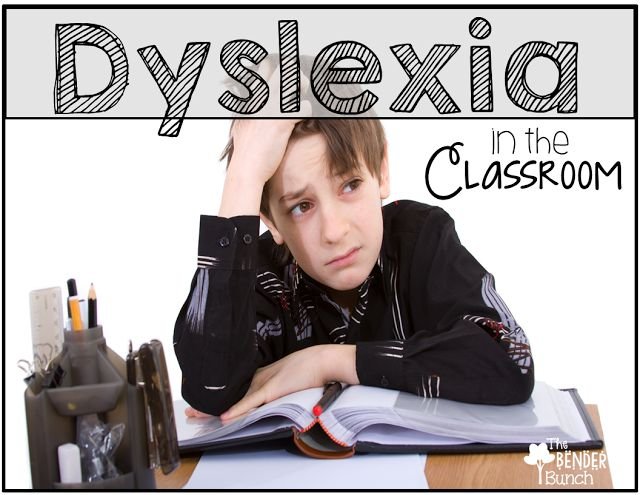
Those who teach science to
dyslexic students must accommodate these students to ensure that they
understand the concepts.
In many cases, scientific
concepts are easy for those with dyslexia to grasp, but the calculations,
notations and other data can be more difficult for them to understand.
The following are some general
tips for teaching science to dyslexic students:
Teachers should not assume that a
student understands their explanation. Instead, it is important to ask the
student to explain the concept in their own words.
When setting up a classroom, it
is important for teachers to ensure that dyslexic students are sitting in a
seat that faces the teacher.
Oral work is difficult for those
with dyslexia, so, if possible, when oral work is necessary, students should
also have access to a printed copy of the material. That way, they can read it
through.
Vocabulary words should be taught
slowly, and teachers should give their students ample time to understand the
meaning of the words.
Giving students access to the
teacher's notes is a good idea, and these students should also be encouraged to
make a bullet-point list or other types of notes.
Teachers should look out for
students who have poor handwriting, as many students will write poorly, in an
attempt to cover up their difficulties with spelling.
Organisation is important for
dyslexic students so using an index, pockets or some other organisational tool
is helpful.
FACT
Teachers should ensure that
documents given to students with dyslexia only contain instructions needed for
the exercise without any unnecessary detail as these could be distracting. All
materials for students with dyslexia should have a clear layout, short
sentences and an uncomplicated structure.
Source: The Guardian
8.4 Laboratory and Group Work in the Sciences

When taking science classes,
field work, laboratory and group work are often essential, but this type of
work can also present a number of barriers to those who have dyslexia.
Think of everything that a person
needs to do when working in a science laboratory or within a group. They must
listen to, comprehend and remember instructions; they must take accurate notes
and they have to organise their time. All of these things are difficult for
those who have dyslexia.
On top of this, they must also
record their own data, make maths calculations and work within a group which
can over-stimulate the brain with information and data. Dyslexic students may
not have time to make corrections to their notes or be able to comprehend the
data that they have collated.
This laboratory or field work is
part of the curriculum in most schools so understanding it is extremely
important. Teachers and instructors must understand what a student should do,
how long the tasks should take and what needs to be presented, in order to
complete the laboratory or field work.
With dyslexic students, some
teachers may allow for the presentation of verbal results or computer-
generated results, as opposed to handwritten results. If this type of work is
not accepted, due to curriculum standards, teachers and instructors may want to
consider giving these students extra time in which to generate their results,
as it often takes them longer to organise their thoughts, and they will often
have to refer back to their notes or even their textbook, to determine how to
present the results.
Group work can also be difficult
for those with dyslexia as they find it stressful, especially if they are not
comfortable in certain situations. For instance, if they are asked to be the
scribe of the group or to take notes, more often than not, they will not want
to tell their classmates about their condition, so they do the work. However, due
to the stress of the situation, the work is often messy, incomplete or, in some
cases, totally illegible.
8.5 Assessing a Dyslexic Student in the Sciences

At this point, most people know
that some of the aspects with which a dyslexic student will struggle include
organisation, memory, reading accuracy, speed of processing and fluency of
writing.
These issues can ultimately stop
the student from achieving success in their schoolwork and additionally cause a
lot of stress, which will make them even worse. This is especially the case
when it comes to exams and tests, with which most dyslexic students will
struggle at the best of times.
However, researchers and teachers
have worked together and have discovered ways in which to assist these
students. These tactics include shorter exams, breaking long exams up into
smaller parts and offering computer-assisted exams. They have also found that
giving the student about 25% more time to complete the exam, compared to a
non-dyslexic student, can greatly improve results.
This extra time allows them to
organise their work, read through their exam for grammar and spelling mistakes
and, as many are slower readers, simply have more time to get through it.
Many exams are designed so that
the candidate has to recall information that has been previously learnt.
However, this can be difficult for those with dyslexia, as they tend to
memorise these facts and not necessarily absorb the information. Having an
inclusive exam, one that does not simply ask the candidate to recall a fact,
will help them to actually absorb the information. Examples of this include
essay tests, oral exams and practical tests.
For instance
Having a student perform a
laboratory experiment is one way to find out if a student is simply recalling
memorised facts or actually demonstrating what they have learnt.
Teachers should also design
assessments in the sciences based on the core competency standards that have
been determined by the school programme. These competencies should be reviewed
regularly, to ensure that all students, regardless of their dyslexia status,
can demonstrate what they have learnt. For instance, in the case of an essay, a
core competency standard for a particular programme might require an essay to
be researched, set out clearly and be presented in a logical way. That does not
mean that a dyslexic student has to handwrite it; instead, they can type it or
dictate it and it will still fall within the confines of the core competency
standard.
8.6 Examples of Good Assessment Practices
For teachers or those interested
in learning how to give fair assessments of all students, there are a number of
practices that have been shown to work well.
Here are some of them:
Teachers and administrators
should take a close look at the assessment procedures of their current
educational programme. This is done in order to ensure that all students are
fairly assessed and tested on what they have learnt about a particular subject.
Teachers and administrators
should take time to consider how any test, quiz or exam will allow a student to
demonstrate their knowledge and understanding, in addition to their ability to
recall, not memorise, the information.
Teachers and administrators
should consider offering or creating alternative options to test students as
required. For instance, instead of forcing all students to take a written exam,
the school programme might allow for dictation, oral exams or practical exams.
If a programme allows it,
teachers should consider allowing dyslexic students to use a glossary, a
notation list or a formula sheet to which they can refer when taking an exam or
test. This will help them when they cannot recall a term or formula.
Feedback for these students
should always be as detailed as possible and written in a clear manner. If
possible, this feedback should be typed. If typing the feedback is not a
possibility, it should be clearly presented, with neat handwriting, to ensure
that the recipient can read it.
Conclusion
There is no reason why a dyslexic
student cannot excel in the sciences, especially in physics, chemistry and
biology. In some cases, these students find that they are better at a
science-based curriculum, as opposed to a curriculum that is based on reading,
English, maths or spelling. When given the right tools and instruction,
barriers to learning a science can be overcome.
.svg)



