
2.1 Introduction

Thus far, scientists and doctors
have been unable to find a definitive cause of dyslexia, but there are a number
of possible causes.
In fact, many doctors and
researchers believe that there are a number of causes and some even believe
that what causes dyslexia in one person could be very different to what causes
it in another. This module will take a very close look at the possible causes
of dyslexia and then focus on how this condition is diagnosed.
2.2 The Possible Causes of Dyslexia

Dyslexia was first identified as
a condition in 1881 and, since then, researchers have been trying to understand
what causes it.
Today, it has been narrowed down
to three main possibilities: neurological, heredity, and gene- environment
interaction.
Neurological Causes of Dyslexia
There is the possibility of a
neurological cause of dyslexia, and this is evident based on neuroimaging,
including PET and MRI scans of the brain. These scans show a correlation
between the structure of the brain and the function of the brain in children who
have difficulty reading. Some dyslexic children show that there are fewer
electrical pulses in the parts of the brain associated with reading, such as
the inferior parietal lobule, inferior frontal gyrus, and the ventral temporal
cortex.
Over the past 10 years or so,
researchers who have been performing brain activation studies with PET to study
how the brain processes language have literally had a breakthrough about the
neural connection to language. What this research has found is that the cerebellum,
which is generally in charge of movement and balance, could surprisingly play a
role in how the brains of dyslexics work. The cerebral cortex, another part of
the brain, also plays a very important role in understanding how a person with
dyslexia processes information. This part of the brain, also known as the 'grey
matter,' is responsible for processing language and information.
With regards to the cerebellum in
particular, research is showing that any impairment of this part of the brain,
which controls movement, could have an effect on the facial muscles and the
tongue.Although we often do not realise it, especially as children, we use
these muscles to assist us with reading, especially when reading out loud. This
is a very common way to teach children how to read. Additionally, the
cerebellum also serves to help the brain do some tasks automatically, such as
reading. If this part of the brain is not working as it is supposed to, some
people could have problems with reading.
Although this is a good theory,
there have not been any controlled research studies to date. Additionally, this
theory does not explain all types of dyslexia.
Hereditary Causes of Dyslexia
According to dyslexic.org.uk
'Dyslexia runs strongly in families suggesting a genetic basis. Many genetic
studies suggest around 50% is inherited, prevalence across cultures is similar
(and independent of socio-economic status and IQ), and more males than females
are affected.'
There is no doubt that there is a
genetic connection involved in dyslexia, but this is not the case for everyone.
Genetic research into dyslexia began back in 1979 when two researchers, Kemper
and Galaburda, looked at the brains of people with dyslexia post-autopsy. What
they found is that certain parts of the brain contained malformations that most
likely occurred during foetal development.
There have also been twin studies
that have shown a high probability that dyslexia is hereditary in some cases,
although this depends on the type of dyslexia that appears in the family. There
are a number of chromosomes that have an association with dyslexia. Two of
these, chromosome 6 and chromosome 15, have been pinpointed as having a major
influence on the development of dyslexia. However, it is important to note
that, just because a person has the specific genes or these chromosomes, it
does not necessarily mean that they will develop dyslexia. That is because
there is no single gene that determines the existence of dyslexia. In fact,
there are several genes.
There is a hypothesis, known as
the 'generalist genes hypothesis', which proposes that many of the genes
associated with certain learning disabilities are the same genes that are
associated with different learning abilities, which include language skills. In
other words, this theory once again shows that there are no single genes that
are associated with these disabilities, including dyslexia. There is also, of
course, a heavy hereditary impact on other learning disabilities, which further
supports this theory. Because of this hereditary factor, approximately 50% of
children with a dyslexic parent will develop it themselves.
Gene-Enviornment Interaction
Causes of Dyslexia
There is also a possible link
between genetics and the environment and dyslexia. This connection has been
looked at by using twin studies. These studies took a look at children who have
a possible predisposition for dyslexia and then looked at environmental
factors, such as teacher quality and parental education. These studies show
that genetics have a greater influence on the severity of dyslexia when a
student is learning in an environment that is less than optimal, compared to
one that is optimal. Additionally, environmental factors play a large role in
memory and learning, so, even if a child has a predisposition for dyslexia, it
is possible that the environment that the child is in can make the condition
less severe. However, on the other hand, it can do the opposite.
causes of dyslexia, there are also other possible causes of the condition.
For instance
There is a form of dyslexia known
as 'trauma dyslexia' which is known to be caused by a brain illness or injury.
Additionally, this can be caused by chronic illness, such as ear infections
that never clear. In this case, the child cannot hear as well as they could,
and it could cause problems with spelling and reading. Older children or adults
who develop trauma dyslexia could read, write, and spell prior to their illness
or injury.
Another possible cause of
dyslexia is foetal alcohol syndrome. This is a condition that occurs when a
mother drinks alcohol during the pregnancy. Although, technically, foetal
alcohol syndrome and dyslexia are different conditions, the symptoms can be
similar and, in some cases, identical.
Parents may believe that their
child has dyslexia, when they may actually have attention deficit hyperactivity
disorder (ADHD). This is one of the most common disorders that affects children
and, in some cases, also affects teens and adults. Symptoms of this condition
include inability to focus on tasks, difficulty paying attention, problems
controlling behaviour and, in some cases, hyperactivity.
So why do children who actually
have ADHD often get diagnosed with dyslexia? To answer this, one must look at
the symptoms of ADHD; for instance, a child with ADHD is easily distracted and
cannot pay attention to the task on which they are working. This includes
learning to read, write and spell. Unlike those with dyslexia, these children
have no difficulty with the task; they simply get bored with it. As these
children are so easily distracted, they often fail to do well in situations in
which they must focus. The only exception to this is if the child enjoys the
task and most children with ADHD do not see these tasks as enjoyable.
Before differentiating between a
definitive diagnosis of ADHD or dyslexia, it can be difficult to know which
condition might be affecting the child's reading, writing and spelling.
However, there are often specific signs that a child has ADHD, as opposed to
dyslexia, such as their hyperactivity. Remember that conditions such as ADHD
and dyslexia do not mean that a child is of below average intelligence; it
simply means that their brains have difficulty processing information.
2.3 Diagnosing Dyslexia

Diagnosing dyslexia is not easy,
and there are several steps that most people go through before a definitive
diagnosis is delivered. In most cases, this will begin by taking a full history
of the child.
This includes gathering the
following information:
-Personal information about the
child
-Complications at birth
-Medical history
-Languages spoken
-Educational history
-Family history, including a
diagnosis of dyslexia, suspected dyslexia, language delays or other related
factors
Doctors or other professionals
will review any educational plan that the child may have, as well as look at
reports from other professionals. This will help them choose the assessment
tools that will assist in achieving an accurate diagnosis.
FACT
There are certain genes that
increase or decrease a person's risk for developing dyslexia. However, the risk
is also affected by other things, including the way a child is taught and what
other genes are turned on or off.
Source: Dyslexiaaction.org.uk
2.4 Observation of the Child's
Communication Skills

A professional attempting to
diagnose dyslexia will often have a conversation with the child, which can give
them insight into what is happening.
In most cases, the professional
will glean information about their speech and language within an informal setting,
which often helps the child to be more comfortable. They will also talk about
different tests that may be done and build a rapport with the child. The
professional may also discuss the challenges that the student is undertaking
and may ask questions such as 'Do you like reading?' or 'What's your favourite
book?' The answers they receive will not only tell them what the child deems as
challenging, it will also provide information about their strengths and
weaknesses.
2.5 Possible Assessments to Diagnose
Dyslexia
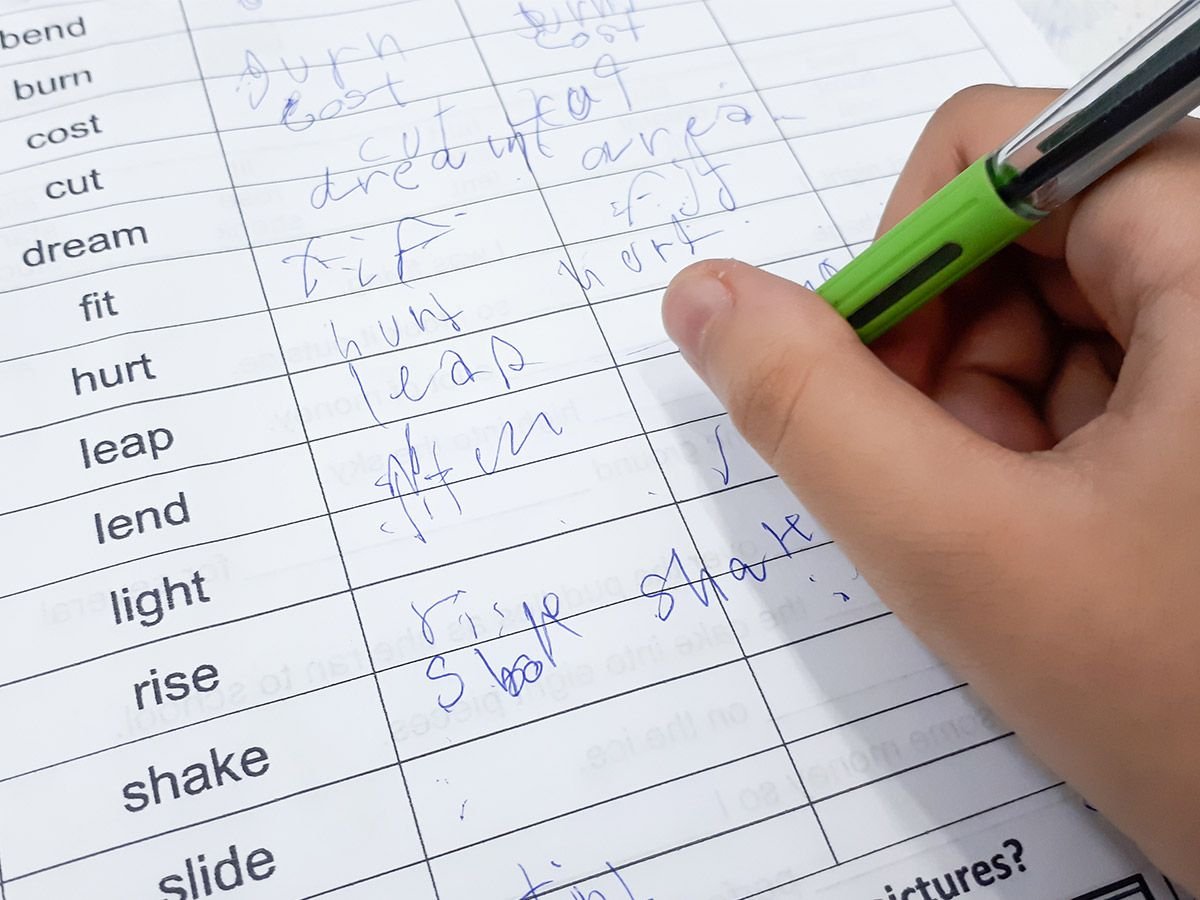
There are many assessments that
can be done in order to diagnose dyslexia, including the following:
Language Assessment
Oral language is the foundation
of reading and writing, so those with oral language issues often have literacy
disorders. Testing the oral language skills of an individual is often done, and
this assessment gives information about the person's language abilities, how
they process language, their morphological skills, and their pragmatic language
skills. Those with dyslexia may have a language disorder, especially when they
are young. However, the inability of a person to read and write will often
prevent them from using their language skills, which can compromise the
development of vocabulary. Over time, this will limit reading. If this is
found, a formal assessment of the individual's language skills via a
standardized test often accompanies an informal assessment.
Phonological Awareness
Another assessment that is done
is on phonological awareness. This is one of the most recognisable features of
dyslexia. This manifests as the inability to blend and identify the phonemes in
words. Phonemes are units of sound, such as 'ch' in 'cheese' or 'at' in 'pat.'
Though the knowledge of phonemes will vary based on age, those who have
difficulty with them may have difficulty recognising words and rhymes. These
people may also have difficulty hearing sounds alone and blending them together
to form words.
The lack of understanding of
phonemes is a predictor of a reading disability. Keep in mind, however, that
this is not the same as phonics, and those who work with these children should
be careful not to confuse the two. Those who are found to have dyslexia,
however, should focus on having a great awareness of phonemics. These skills
can be taught at any time, and they have been shown to improve an individual's
fluency in reading, spelling, reading comprehension and decoding.
Word Fluency
Word fluency is another indicator
of dyslexia. This is the ability to quickly name words, symbols or pictures. It
is also called 'rapid naming', and this skill is based on speed, as opposed to
accuracy. Readers who struggle can generally name the words, symbols, and
pictures accurately, but they do so at a speed that is slower than readers without
dyslexia. These people might also have difficulty naming words but easily name
numbers.
Another indicator of this is when
people try to read nonsense words. In this case, a skilled reader should be
able to pronounce a 'word', even it if is not a word in the English language.
For instance, a person who does not have dyslexia would be able to pronounce
the nonsense word 'astacar', but those who have dyslexia would not. It is
likely that they could recognise the sounds, such as 'car' but putting that
together with 'asta' would be difficult.
Reading Fluency
Reading fluency is another
assessment that is carried out to determine if a child has dyslexia. This is
the combination of the accuracy and speed at which a person can read. This
assessment will probably not be carried out on younger children, but those who
can read paragraphs or longer passages can take this assessment. In general, it
measures the average number of words that the child can correctly read in a
minute. A poor score indicates that there might be possible issues with
comprehension, vocabulary or phonemics. Although many dyslexics learn to read
accurately, they may continue to read slowly.
Reading Comprehension
Reading comprehension is the way
in which a person understands the printed word. When an individual reads short
paragraphs, their dyslexia might not be apparent, and they will pass the
assessment. However, when they are given longer passages to read, it will be
noticeably more difficult for them. Those with dyslexia might be able to read
with fluency, but they might not be able to comprehend what they are reading.
For these people, assessments that measure reading comprehension may be both
silent and oral, as this can be the best way to find out where their weaknesses
lie.Some people with dyslexia might be able to comprehend literal information,
but they can have difficulty comprehending other information. Assessments are
often done to evaluate both types of information.
Spelling
The evaluation of spelling can be
a very valuable diagnostic tool, as it can give insight on phonemics and
language. The ability to spell also offers insight into other types of
knowledge that is necessary for all types of written communication.
it can reveal weaknesses such as:
-Semantic knowledge
-Phonemic awareness
-Morphological knowledge
-Orthographic knowledge
It is also possible that poor
spelling can indicate a hearing problem.
Writing
In general, writing is the most
complex form of human language. Often, a difficulty with language is most
noticeable in a person's writing. Certain issues, such as morphologic errors,
spelling errors, semantic errors and omissions of words may all indicate
dyslexia.
test for dyslexia should include the following:
readers
The specific ways in which
writing analysis differs are based on the purpose of the writing and the
readers. Other types of writing that might be assessed include expository
writing, narrative writing and persuasive writing. Again, consideration is
needed particularly with writing assessments. Other difficulties may be factors
in low performance in writing assessments. This could include ADHD or autism,
both of which can cause difficulties in the above areas.
Multi-Cultural Consideration
When carrying out assessments for
dyslexia, it is important to take into consideration the cultural background of
the individual. Narrative varies from one culture to another. The standards of
writing and reading in the UK are different to that of other languages. Even when
comparing American English to UK English, there will be slight differences. If
English is not the individual's main language, issues could arise, not just
with regards to reading, but also language as a whole. Additionally, some
children might come from homes in which a parent is not educated, and these
children may not have access to any literature that will help to develop their
reading and writing skills.
School Issues
A dyslexia diagnosis should not
be made until looking at school issues. Behaviours such as being quiet in
school, to avoid reading in the classroom, selecting to read books that they
have memorised or covering up their struggles with reading by excelling in
other subjects are signs that a child might have dyslexia. Also, some children
might exhibit bad behaviour, as it is better for them to be naughty than to
feel stupid. If parents are doing the child's homework or it takes a student a
long time to complete their coursework, these could also be factors that could
indicate dyslexia.
2.6 Making the Final Diagnosis

After all the appropriate
assessments have been carried out, the professionals will get together and look
at the data that has been collected.
They will take this data and
combine it with the information gleaned with regards to the child's history and
behaviour, and, at this point, it is likely that they will be able to come to a
definitive diagnosis. If the person's reading, writing, language, spelling or
phonological skills fall below the average for their age, they are likely to be
dyslexic. Despite the age of the individual, the sooner intervention begins,
the better the outcome.
Conclusion
Learning the causes of dyslexia
is important for anyone who is interested in learning more about the condition,
even though, in most cases, there is no one single cause. Additionally, it is
important to understand how this condition is diagnosed, and, as you can see,
there is no one single test that can indicate with certainty that a person is
dyslexic. There can be several factors that contribute to both the causes and
the diagnosis of dyslexia.
.svg)



