
10.1 Introduction

Dyslexia is characterised by
difficulties in learning language. However, language learning is an important
part of life for many people in the UK.
Whether they are immigrants
learning English as a second language or native Brits learning the language of
their ancestors and neighbours, language learning is a prized part of the
British education system. Generally speaking, the more languages a person can
speak, the easier it is for them to communicate with others in a variety of
contexts.
In this module, you will learn
more about what language learning is like for dyslexic learners. You will learn
how dyslexic pupils can not only participate but actually thrive in the foreign
language classroom.
You will learn what traits to
look out for when assessing the pupil's abilities and about the MSL method of
teaching for dyslexia. Finally, you will learn some strategies for supporting
dyslexic language learners, both in the classroom and out of it.
10.2 Language Learning for Dyslexic Learners
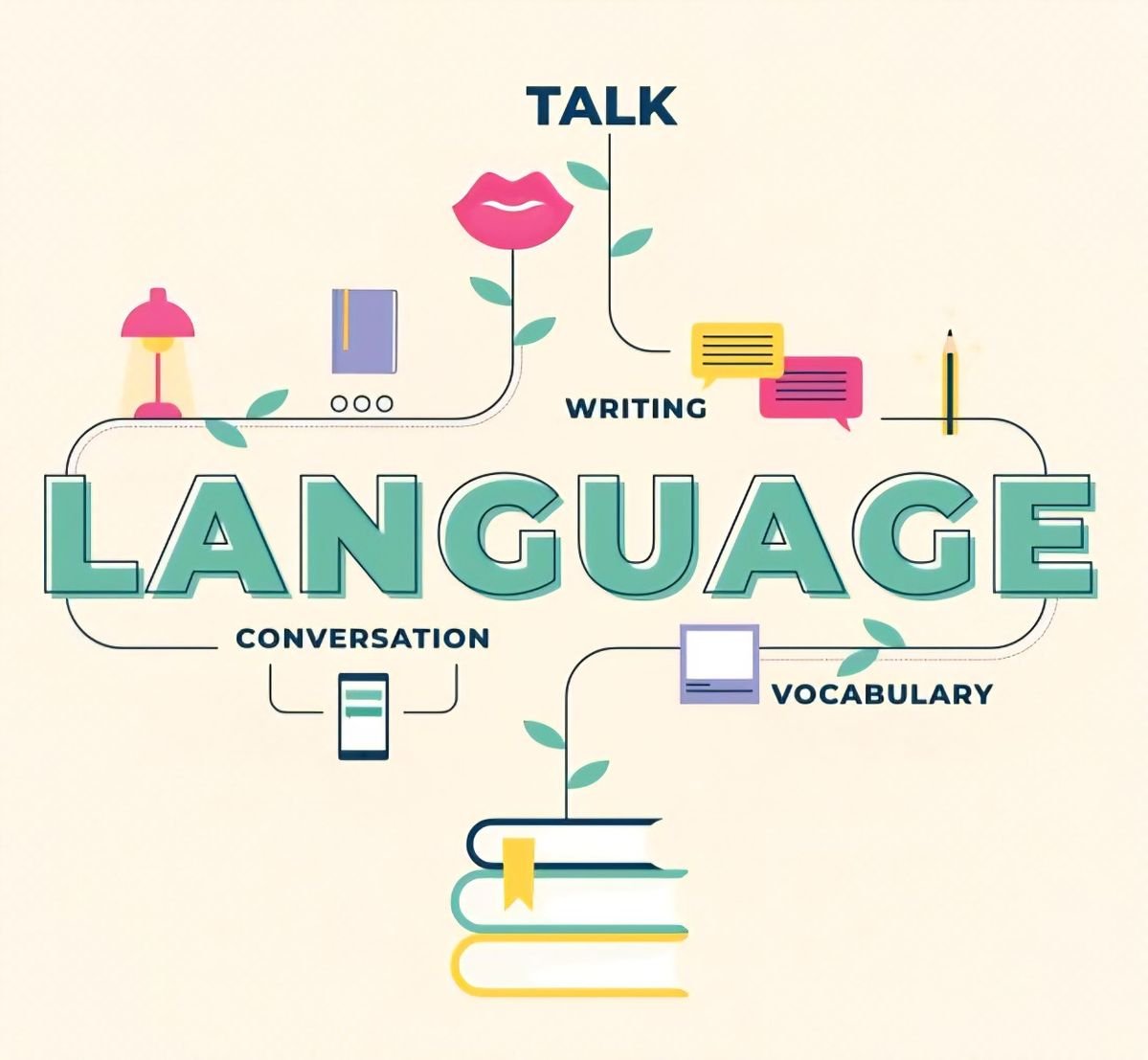
The opportunity to learn foreign
languages presents people with the opportunity to communicate with people from
other languages and cultures in an equal manner.
Thus, the teaching of English as
a second language (ESL) and the teaching of foreign languages have become
increasingly important in primary, secondary and higher education in the UK.
However, the aspiration to teach language is lofty. While educators recognise
the value of language learning, understanding how to teach languages,
especially to those with disabilities, is another matter.
Dyslexic pupils have difficulties
in learning language, and many have a difficult time learning the rules and
vocabulary of their first language, never mind those of a second language at
the same time. Thus, whilst teaching ESL and other foreign languages are
important, it is also important to ensure that these expectations do not
over-burden students.
Teaching language should be an
inclusive experience and, as with speaking languages on an equal footing with one's peers, it
should be an experience that makes the learner feel accepted. It should remind
them that, despite their difficulties associated with language learning,
learning a language is a worthwhile experience, regardless of what level they
are able to achieve.
Language Learning for All
Dyslexic Learners
One of the important dilemmas
faced by educators is to determine whether or not all dyslexic students should
be required to participate in language learning. There are also questions
surrounding the ideal way to teaching languages: should dyslexic pupils be
included in language learning using the same pace and curriculum as
non-dyslexic pupils?
Understanding this problem is
difficult because, as with other learning disabilities, it affects different
pupils in different ways. There is no one way for people to learn, whether they
are dyslexic or not. Thus, whilst a traditional curriculum might not be the
correct route for language learning, a specialised curriculum designed for
dyslexic learners may not be the correct route either.
Which Language?
Research suggests that it is
easier to learn a language that is phonologically similar to a person's first
language.
For example
It is slightly easier for English
speakers to learn Spanish because many of the sounds are similar, especially
when compared to French.
However, phonology is not the
only factor in choosing which languages to learn or predicting difficulty
levels in learning a language. As we will later note, language learning
abilities also include aspects such as motivation, which can make it easier for
pupils to learn a language, even if it is phonologically different from their
first language.
Pupils will be more likely to
learn a language, even when it is difficult, if they feel motivated to use it
or are participating in a peer group that also speaks that language.
FACT
For ESL students who are
dyslexic, colour-coding grammatical devices will help the student to remember
new concepts.
Source: British Dyslexia
Association
10.3 Anticipating Language Learning Abilities

To understand the potential for
the pupil to successfully take part in a second language programme, it is
important to try and anticipate their language learning abilities.
Fluency in a First Language
One of the best indicators of how
a pupil learns is their grasp of their first language, whether it be English or
another language. Pupils who have a strong command of their first language will
often have an easier time participating in ESL or a foreign language programme
than those who struggle with their first language.
However, a pupil's ability to
learn is not based merely on their competency in language learning. There are
several other indicators that can make a significant difference to a pupil's
ability to learn.
Motivation
A pupil's motivation towards
learning is incredibly important in terms of their ability to learn a second
language. In fact, some second language research suggests that motivation can
be enough for many people to learn languages in the first place. There is a
strong correlation between language learning and motivation.
For instance
Pupils may be motivated to learn
a new language in order to better understand family members; to be assimilated
into a new culture; to pass a test; to get into a good university or to find a
job that requires bilingual skills. A really good example of this would be a
young ESL child trying to initiate play or requesting a favourite
toy, they tend to quickly pick up necessary language required from their peers
because of social motivation.
Motivation is important because
it is not static; it changes regularly. It can be high or low and can change
quickly based on a variety of factors.
For instance
Motivation may go up when a pupil
is engaged and working with conversational partners who are equally engaged. They
may also be more motivated when they are working with a teacher who inspires
them. Thus, motivation can be contagious which is why it can be essential for
classes and individual pupils.
Learning Styles
Understanding the pupil's
learning style is important, in terms of understanding how they may excel in an
ESL or foreign language classroom. Pupils use different learning styles and
strategies, in order to enable their own learning, and different pupils prefer
different styles.
For example, shy students who
prefer to analyse the language and only speak it correct will often learn
languages through sentence analysis or grammar drills. Alternatively, sociable
and extroverted students may avoid these drills or analyses and attempt to
learn through engaging in social conversation, without feeling to need to
understand the meaning of every vocabulary word.
Self-Esteem
Self-esteem is essential for
language learning because pupils need self-esteem for practice in speaking, and
it is an important concept in human behaviour in general. Feelings of
unworthiness, inadequacy and anxiety are closely related to a lack of
self-esteem, and this can directly impact a pupil's willingness and motivation
to learn a new language.
One of the key issues that
dyslexic pupils face is self-esteem, and pupils with low self-esteem may
struggle to find the motivation to learn a new language. Difficulties with
reading, speaking and listening can all impact a dyslexic pupil's self-esteem.
Thus, if a pupil is already experiencing a low level of self-esteem in the
classroom, it is important to re-evaluate the idea of placing them in foreign
language classes before they are prepared to believe in themselves and their
abilities.
Determination
Language learning is a
never-ending process, both in terms of foreign languages and one's native
language. A pupil's determination to learn the language will probably impact
their ability to progress through different levels of language learning.
Cognitive Abilities
A pupil's cognitive abilities,
such as recall and memory, will also play a significant role in their ability
to happily and successfully learn a language. This is important for dyslexic
pupils in particular because they typically require extra time in which to
process information when learning a language. Thus, it is not possible to
expect a dyslexic pupil to be able to learn at the same pace as their peers in
the foreign language or ESL classroom.
Issues with short-term memory and
working memory are also an important part of language learning. If dyslexic
pupils experience issues accessing words in their first language, they are also
likely to experience similar issues in their second language.
Memory and cognition play
important roles in learning vocabulary. Dyslexic pupils often require extra
time in which to decode and comprehend vocabulary, and, if it takes longer to
recall new vocabulary, further time may be required.
In the event that learning
difficulties are mild, most pupils will be able to learn a foreign language to
a reasonable standard, as long as they have the motivation and persistence to
do so. However, when a language becomes more complicated, it can overload their
memories.
Without the right tools with
which to help pupils deal with these complexities, this meaningful experience
can become stressful which can damage the student's self-esteem and ultimately
their motivation to learn a language.
Thus, the evaluation of a pupil's
language learning abilities is essential before placing them in a foreign
language or ESL classroom. It is also essential for choosing the right teaching
and practice methods, which will be highlighted in the following sections.
10.4 MSL Method for Teaching
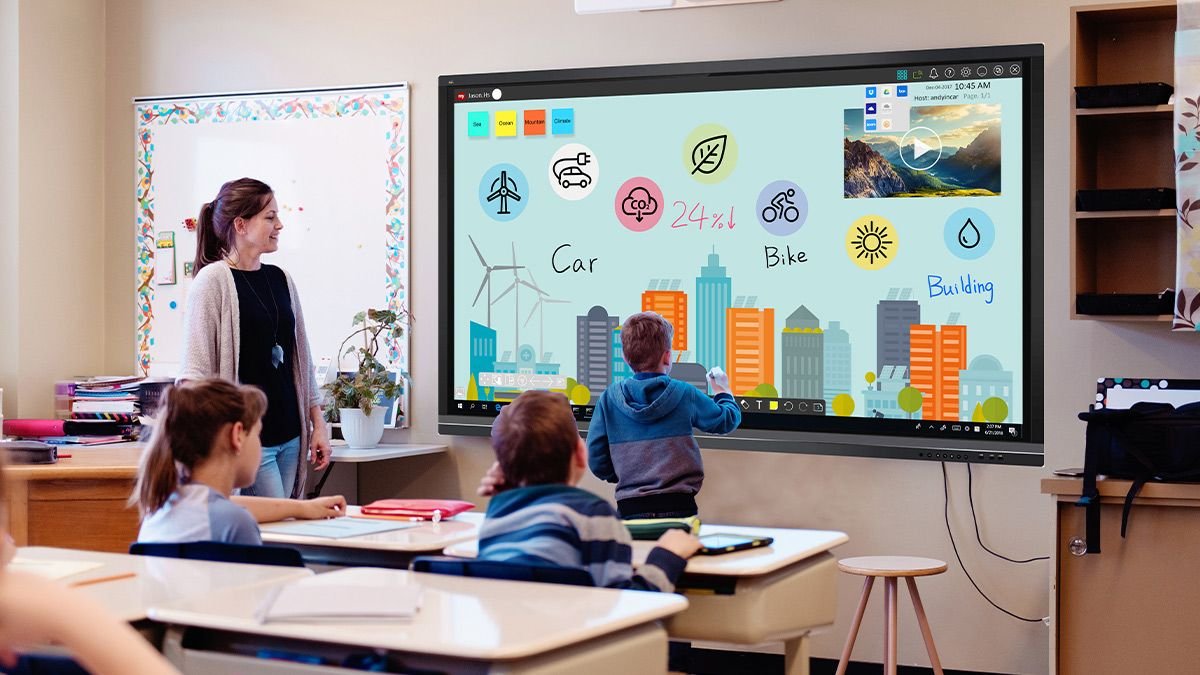
The Multi-Sensory Structured
Language (MSL) Education system or Orton-Gillingham (OG) system can be
considered as the gold standard teaching styles for the management of dyslexia
in language learning. MSL is a language-based system.
It requires teaching several different facets of language. These include
handwriting, written expression, oral expression, structure, history,
semantics, and syntax. It also includes phonics, spelling and morphology.
Lessons in MSL are highly
structured. They are planned to be rigorous and intensive and they are always
taught in a specific order. The order works like a building block system which
includes learning the simplest and most common parts of the language in the
first lessons. These serve as the foundation for language learning that
prepares pupils for more complex features of the language in later lessons.
The building block style of
teaching also ensures that MSL is a cumulative method of teaching. This method
of teaching is useful for dyslexic pupils because it does not require them to
jump ahead to new concepts too quickly.
Students can only move on once
the concepts in the previous lesson were mastered. Thus, as each lesson grows
in complexity, the student has the tools and knowledge required to approach the
more complex concept.
In the event that the pupil
begins to struggle with a simple concept, the concept is retaught before moving forward.
Another feature of the MSL system
is that it is relies heavily on the cognitive aspects of language learning.
Questions about how and why things are done are approached in every lesson and
this explains the logic underpinning every language concept. Moreover, pupils
learn how to ask questions about language and rely on logic when they are
working on their own. All of this provides further understanding of language as
a whole.
Primary benefits of the MSL
system
One of the primary benefits of
the MSL system for dyslexic pupils is that the system is emotionally sound.
They are not tested on materials about which they have not yet been taught
which means that they do not need to fear assessment or learning. This helps
build their confidence and self- esteem thus motivating them to learn.
The system is also diagnostic and
prescriptive which means that behaviours and progress are constantly being
recorded. This allows the building block system to work because a teacher can
identify when the pupil is struggling with a concept before they move on to the
next lesson.
The system also requires that
concepts are taught in a straightforward way. Clear explanations and
discussions are important for every class to allow pupils to focus on gaining a
thorough understanding.
Finally, MSL is a multi-sensory
method of teaching. This is important because it impacts and activates more
areas of the brain thus enabling learning. In fact, multi-sensory learning
allows the brain to both create and repair learning pathways, in order to make
all aspects of learning a language more manageable.
10.5 Strategies for Learning Foreign
Languages with Dyslexia
There are several strategies that
can be incorporated into ESL and foreign language classrooms that can be used
to benefit dyslexic pupils.
Metacognitive Approaches
Using an approach that is
metacognitive in nature is often useful for providing a route for pupils to
understand and think about language structure. Basically, it helps pupils
understanding why they are learning what they are learning and understand the
way in which they are learning.
Onsets and Rimes
Onsets (the initial consonant or
consonant cluster of a one-syllable word, for instance, 'c' in cat) and rimes
(the vowel and consonants that follow, for instance, 'at' in cat) can help
pupils recognise and organise words. Onsets and rimes can be used to break down
words and vocabulary. This technique is particularly useful for the English
language but can also be applied to several other languages.
However, it is not useful for all
languages.
Modelling
Modelling is another useful
strategy for helping pupils in the classroom. The process involves one person
modelling the use of the language so that the pupil can follow along and repeat
after the model. Some strategies for modelling include reading aloud with a
tutor. Peer tutoring or paired tutoring can also be useful in this strategy. It
is also beneficial for pupils to use modelling to practise at home and passages
can be recorded for use at home.
Auditory Discrimination
Auditory discrimination can be
employed in the classroom. Playing recordings of words and encouraging the
pupils to listen to a specific sound in a word, like 'ch' in chat, helps pupils
distinguish between sounds and pick out patterns. This can also be done with
flash cards or picture cards.
Memory Training
Memory training is a particularly
useful tool for dyslexic pupils, especially for those who have short- term
memory issues. The use of memory training techniques and devices like mnemonics
can have a profound impact on learning for students.
Supplementary Learning
Supplementary learning is a
common practice in foreign language and ESL classrooms, particularly because so
many resources are now available to students, both from educational
institutions and for free online. Supplementary learning can include the use of
computers, the internet, CD resources, DVD resources, and audio guides.
Playing Games
Games and motivational material
are important. Transforming language learning into fun games, similar to the
way in which games are used in phonics, can enhance learning, boost self-esteem
and provide motivation for pupils on days on which their motivation may be
flagging.
Different Learning Styles
Incorporating the use of
different learning styles throughout the class can help encourage inclusive
learning for pupils. Different learning styles may include small group sessions
and individual learning. Other factors to bear in mind are changing seating
positions, adapting motivational factors or dealing with light sensitivity.
Conclusion
Language learning is important
for everyone and, even though it can be difficult for dyslexic pupils, it can
still benefit them in important ways.
The most important aspects for
dyslexic pupils and those who teach them to remember is that dyslexia and learning
are both highly individual. Giving pupils the space to learn in ways that
support dyslexia and their personal learning styles are typically the best
routes towards success in learning a new language.
.svg)



