
6.1 Introduction
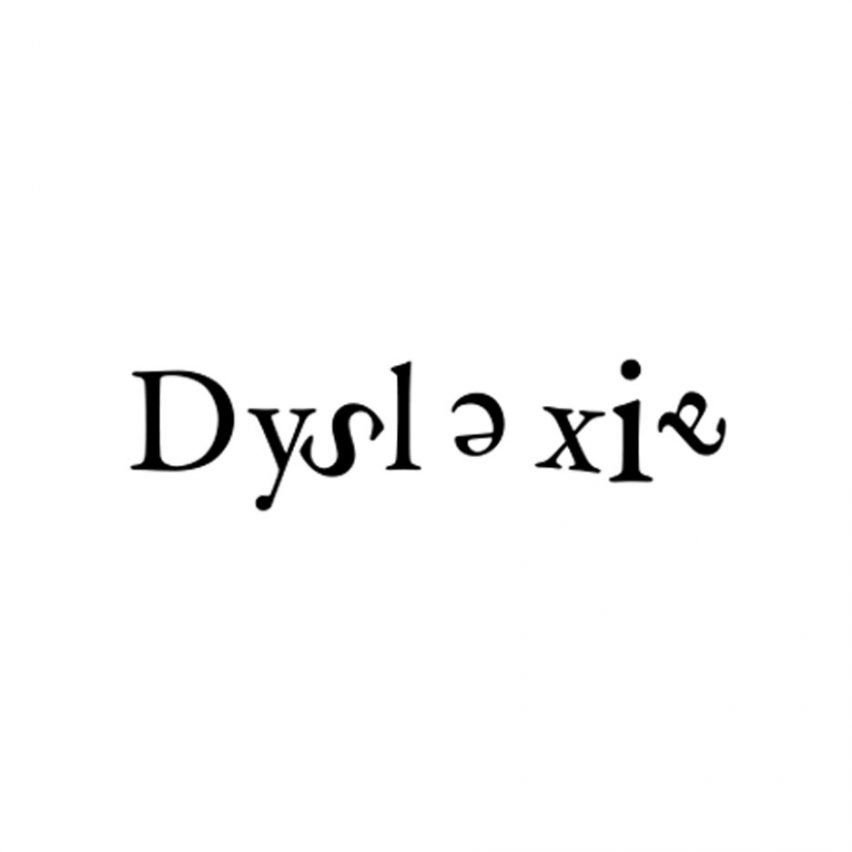
For many years, people considered
dyslexia to be a problem that was exclusive to reading.
Dyslexia was a learning disorder
whereby children and adults would confuse words or letters. However, recent
research has shown that dyslexia is not just a reading or writing problem.
Dyslexia is an issue whereby the brain has difficulty processing speech and
confuses small units of sound. This explains why some dyslexics have difficulty
with speech and listening as well as with reading and writing.
In this module, you will learn
about how dyslexia affects communication as a whole. You will also learn more
about speech therapists and how a speech therapist can help dyslexic children
improve their language and communication skills as a whole. Finally, you will
learn techniques for home and classroom practice that can be used to improve
speaking and listening skills.
6.2 Dyslexia and Communication

Communication is defined as
sending and receiving information through speech, listening, writing and
reading. All of these are important for communicating and understanding
messages.
For a long time, scientists
thought that dyslexic people struggled with reading and communication because
their brains could not create accurate representations of the word or sound
required. In a recent study, scientists took brain scans of people with and
without dyslexia. The scans showed that, when non-dyslexics and dyslexics were
asked to perform various tasks, their brain activity was very similar. In fact,
some scans of dyslexic brains were even better than the scans of the
non-dyslexic brains. This demonstrated that the representations of words and
sounds were entirely intact in dyslexic brains.
However, when dyslexics responded
to the prompts, they did so at a pace that was twice as slow as the
non-dyslexic participants. When the scientists looked at overall brain activity,
they noticed that the scans of the dyslexic brains were very different to those
of the non-dyslexic brains. There was far less coordination between the brain
regions involved in language processing than in those who did not have
dyslexia. This suggest that the problem is not that dyslexics do not know a
word; it is that the regions of their brains are not as agile as non-dyslexic
brains when they communicate.
Thus, people who have dyslexia
struggle with communication because the underlying cause of dyslexia is found
in the parts of the brain that deal with communication. When a dyslexic brain
tries to retrieve a word, it might struggle to do so, not because the word is
not there, but because it is not accessible by the part of the brain that needs
to find it. This is why dyslexic people struggle not only with reading, but
also with speaking and listening. The same regions are required for all
communication. Because these pathways are not as nimble as they are in a
non-dyslexic brain, a dyslexic person may have just as much trouble speaking a
word as they might have when reading or spelling it.
FACT
Adults with dyslexia are often
self-conscious when speaking in a group. They may have difficulty getting
thoughts out, to and pause frequently, speak in halting phrases, or leave
sentences incomplete.
Source: Dyslexia.com
6.3 Finding a Speech Therapist

In some cases, those with severe
dyslexia or a substantial amount of speaking difficulties may be served well by
a speech therapist.
Speech therapists help patients
work on speech and sound development in oral language. In particular, they can
help people with phonemic awareness, which is the ability to work with sounds
that letters make. Phonemic awareness is strongly associated with reading;
however, it is also essential for speaking and listening.
If you choose to see a speech
therapist, they will generally begin with a full assessment to determine your
strengths and weaknesses, in order to determine which aspects of speech are
most in need of therapy.
Speech Sounds
The assessment will include a
test for speech sound skills and errors. They will look to see whether a child
has used phonological process in their speech. Dyslexic children who struggle
with speech sounds will demonstrate evidence of struggling with whole groups of
sounds. There will be patterns of weakness evident in their speech.
For example
If the child struggles with long
sounds, all of the long sounds may be replaced by short sounds. In other cases,
a child may omit pronouncing any sounds at the beginning or end of a word.
The therapist will also test the
child to see if they have continued to use some of the same phonological
processes that they used when they were young. There are some patterns that can
be used between ages three and five; however, these patterns should cease at
school age. If they still rely on them, a phonological disorder is a
possibility.
A phonological disorder is
treated by the therapist who shows the child differences because the correct
way to produce words and the incorrect way in which they are currently
producing them.
Children can have one speech
sound error; however, they can also struggle with several different errors at
once. If the latter is the case, the child's speech is typically difficult for
others to understand.
Phonological Awareness
They will also look for
phonological awareness. These skills are often used before the child starts
reading, and they are crucial to their ability to read and spell words.
Phonological skills are what allow people to manipulate the sound, by blending
or segmenting, and combine them to create words. To test a child's phonological
awareness, the speech therapist assigns tasks like blending, rhyming and
segmenting to determine how well they perform.
For example
The therapist might ask the child
what words rhyme. They might also ask the child to break the word down into
syllables or blend them together to create a word. The therapist may also ask
the patient to identify the words that feature the same sound at the beginning
or end of the word. Other questions may involve asking the child to break down
the word into sounds, like vowel-consonant sounds or consonant-vowel sounds.
Further tests may ask the patient
to manipulate the sounds found in words and ask them to pronounce the word
again, without the sound.Therapy for pupils with phonological awareness issues
will typically target all of the skills highlighted above. This will not only
help their speaking and listening skills, but it will also help their reading
and writing skills.
General Language Skills
The therapist will also look at
the child's overall language skills. Children with difficulties in general
language skills might produce low scores on both receptive and expressive
language tests, and they often have other learning difficulties, in addition to
dyslexia.Deficits in general language may include issues with comprehension or
creating sentences. The speech therapist will typically treat both general
language skills and phonological awareness together, in the event that both
issues are present.
6.4 Speaking Practice at Home
.jpg)
This section outlines some
important ways in which those individuals who have dyslexia can practise
speaking at home.
Record Their voices
Children with speech difficulties
often cannot hear when they are making incorrect sounds. Making recordings is a
useful way to help them identify issues in their own speech and practise the
correct sounds.The recordings do not need to be tedious or boring. In fact,
they can be creative endeavours that encourage the child to have fun while
practising speaking. The child may make up a story or a poem and record that.
They can then listen to the recording, to become familiar with their own voice
and get a better understanding of the sounds that they make incorrectly.
Slow Down
Children can often practise their
speech, simply by slowing down the pace at which they speak to a speed whereby
they have enough time to concentrate on each word.
Read Aloud
Reading aloud is a good way to
practise both reading comprehension and speaking. It is also a great way to
practise new vocabulary, as well as intonation, tone and other important parts
of speech that some dyslexic children might struggle with.
Learn New Words
Learning new words at home can
prepare children to encounter these words in school. It has been mentioned as
useful practice in reading; however, practising the pronunciation and decoding
of these words can be just as essential for speaking.
One good way to learn new words
is to make a recording of new words and encourage the child to repeat them. Be
sure to work with the child's teacher, to make sure that you are using the
relevant vocabulary lists for their level, particularly if the child is being
taught according to a specialist dyslexia programme at school.
Play Games
Speaking exercises can and should
be fun, to help rid the child of anxiety that often comes with speech issues. A
popular game is to set up an interview. Ask the child questions as if you were
an investigative journalist writing a story. This will allow the child to talk
about familiar things and focus on correct speech. They will also be more
comfortable speaking about themselves because they do not need to encounter new
information. Then ask the child to interview you. This doubles as both speaking
and listening practice.
6.5 Listening and Auditory Dyslexia

Speaking and listening go hand in
hand, and those people who want to become better speakers will also need to
become better listeners.
However, before beginning any
listening exercises for dyslexia, it is important to determine whether the
symptoms experienced are the result of dyslexia or a hearing problem. Thus,
before attributing listening issues to dyslexia, it is important to get a
hearing test first. It is also important to determine what the listener is
hearing when looking at listening comprehension.
For example
Pupils that have poor language
comprehension but are also bright might listen to a passage and be able to
answer inferential questions about the passage in general. However, they might
not be able to answer factual questions about the details of the passage.
Alternatively, a pupil may struggle to answer both factual and inferential
questions, or they may struggle to answer the inferential questions but may be
able to answer the factual ones. Determining what kind of listener they are is
important, in order to prescribe solutions and activities to help strengthen
their listening skills.
Complete the following exercise
to help determine what kind of listener someone is.
Exercise
Start by showing the pupil the
questions you will ask them, and then read the questions aloud.
Once the questions have been
introduced, you can read the text to the pupil. It is also helpful for the
pupil to be able to refer to the questions whilst they are listening to the
passage. Ask the questions a second time; let the pupil have the questions in
front of them.
Do not be afraid to repeat part
of the passage or the whole passage if required. If repeating, do so for the
entire portion of the passage. Do not just repeat a fact or small piece of the
passage.
Once this is done, you can assess
the pupil's answers, to determine their level of listening comprehension. This
allows you to identify potential problems and prescribe potential exercises or
supplementary work.
6.6 Listening Practice

Listening practice is important
in order to help pupils in school achieve their full potential.
Listening is a skill, and
everyone requires practice at it, not just dyslexics. This section includes
some tips for practising listening skills, both at school and at home.
Record Classes
Recording classes can be an
incredibly useful resource for students at all levels, from primary school to
higher education. This allows students to go back to the class for a second
time and listen for something that they may have missed the first time. It will
help make words more familiar because they will have already been introduced.
It will also help students to become more familiar with the teacher's voice
which can be useful for comprehension or removal of distractions. Students can
return to class recordings for review and to boost performance. However, the recordings
can also be used for tools in successful listening.
For example
Pupils should listen for
intonation in the speaker's voice; tone is also important. Learning more about
intonation and tone can help the pupil to listen better, but it also serves to
reinforce good speaking practice.
Classes can be recorded with
smart phones or voice recorders. Some universities or colleges will
automatically record lectures. However, it is important to ask for permission
before turning on a recorder; although, in most cases, this will be considered
to be a reasonable request for a pupil with dyslexia.
Create a List of words to Listen
out for\Introducing pupils to words before they need to listen to them can help
boost comprehension and boost listening skills. The words can be written down
before class.Alternatively, the pupil can use a voice recording to listen to
the most common words that they hear in class, the words they struggle with the
most or new vocabulary words. They can combine this with a written list and
write a tick whenever they hear a word on the list.
Pupils should also be encouraged
to listen to the context. The context can be an incredibly important tool to
help dyslexics to overcome their hearing issues. Learning to rely on other
devices can help with words that are consistently problematic. The context will
help pupils understand why and when a certain word is used and help them answer
inferential questions about what they hear.
Other Exercises
Encourage the child to
participate in group listening exercises. Pupils will succeed when they can recognise
sounds made in a variety of voices and not just the voice of their teacher or
parent. When a child has more practice at listening to different voices and
accents, it is easier for them to hone these skills outside the classroom. Do
not forget to create fun exercises, particularly for young children.
For example
The game 'Telephone' is a fun
group game enjoyed by children that allows them to practise their listening in
a fun and dynamic way. Listening apps can also be found in learning games on
devices such as tablets and smartphones. Using these apps can be a convenient
way to encourage a child to practise their listening skills whilst giving them
a chance to play with the device.
Conclusion
Speaking and listening are
intimately tied up with reading and writing in the brain's communication
centres.Thus, when children have dyslexia, they might present with issues in
all four areas. Fortunately, these issues can be overcome and compensated for
with speech therapists and regular practice.
Remember, practising speaking and
listening skills does not need to feel laborious. These practice sessions can
and should be fun, particularly for young children. Exercising listening and
speaking skills can double as creative exercises or exercises in communication
between children. These exercises are not just beneficial for dyslexic
children, but they can also help anyone to strengthen their communication
skills.
.svg)



