
12.1 Introduction

For many dyslexic people, their dyslexia is not the only learning disability or condition that they suffer from, In fact, it is quite common for those with dyslexia to have a co-occurring condition. This can create extra challenges for the person who has the conditions, and it can create the issue of getting an accurate diagnosis.
This module will cover the most common co-occurring conditions that often appear with dyslexia and will give a background on how these conditions are connected yet different. It will also cover how dyslexic people with these conditions can live a fulfilling and successful life, despite having the conditions.
12.2 The Most Common Co-occurring Conditions With Dyslexia

Although there are numerous conditions that might occur with dyslexia, some conditions are more common than others. The following are the most common co-occurring conditions with dyslexia:
Dyscalculia - Also known as 'maths dyslexia'; this topic was covered extensively in Module 7, but it is worth mentioning again briefly, as it is so common amongst those with dyslexia.
Dysgraphia - This is a condition that is seen as a specific disability that affects a person's writing. It can appear due to issues with fine motor muscle controls in the hand or with difficulties processing the information in the brain.
Dyspraxia - Also known as 'Developmental Coordination Disorder', or DCD, this is a specific condition whereby the person has difficulty with movements and certain aspects of learning, including planning and motor or sensory tasks.
ADD/ADHD - Most people know what Attention Deficit Disorder (with or without hyperactivity) is, but most do not realise that it can occur hand in hand with dyslexia.
Autism Spectrum Disorder - This is a developmental condition and includes people previously identified as having
Asperger's Syndrome-It can cause difficulties with social interactions and communication, and those affected by it often have dyslexia as well.
Specific Language Impairment - This is a condition that affects the way in which people communicate. People who have this condition often have difficulty talking and comprehending language. They may also have difficulty using language in their day-to-day life and have issues with speech sounds.
12.3 Dysgraphia
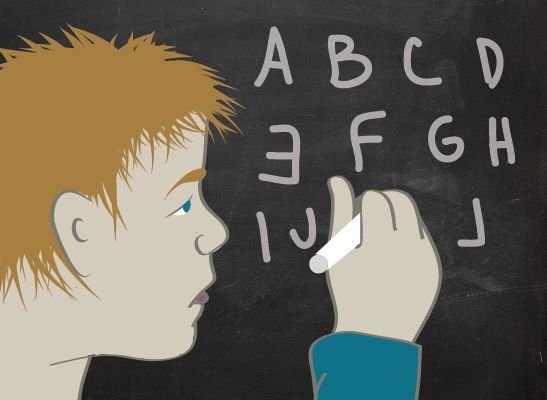
Generally, it is most often used to describe a person who has an extreme difficulty with handwriting. This is a neurological disorder that can also cause issues with the person's motor skills, and it can affect the movement of the hands when writing numbers or letters.
The Symptoms of Dysgraphia
There are a number of symptoms that are associated with dysgraphia. These include difficulty with motor coordination, the presentation of written materials, and organisation. Also, there are often difficulties with spelling, and there is a strong connection between dyslexia and dysgraphia.
One of the most prominent symptoms of dysgraphia is that a person's handwriting looks distorted, and it might be written backwards or appear in the wrong order. People with this condition may have trouble expressing thoughts in writing, and they may also have difficulty with regards to what they see. Issues with spelling and punctuation are prevalent which means that some people with the condition cannot fully understand written language.
As dysgraphia causes an issue with the way in which information is processed, the difficulties that a person with this condition experiences change throughout their lifetime. The condition can present in a range of degrees from very mild to moderate although severe cases are rare.
Children who are diagnosed with dysgraphia may also have other learning disabilities, although it is most often found in those who have dyslexia. However, it can occasionally appear on its own, without any other condition. Most of the time, dysgraphia is diagnosed when a child begins to write, and it is often picked up in school as these children will make letters that are inappropriately sized or spaced too closely together or too far apart. They may also write backwards, despite instructions, and it is difficult for others to read their writing. However, in most cases, those with dysgraphia can read what they write, even if it is backwards or otherwise difficult to read.
How Is Dysgraphia Controlled?
Although dysgraphia is a type of learning disability, when it is properly diagnosed, it can usually be overcome.
Experts recommend that those who have this condition practise their writing on a daily basis, and any programme should be used as required. Interventions for dysgraphia include the following:
Modifications - Changing writing tasks or expectations, to minimise the effect of dysgraphia.
Allowances - Allowing individuals with dysgraphia to use other methods of written communication, such as computers.
Remediation - Working with the individual to improve writing skills
In most cases, all three interventions will be used when compiling a treatment plan - it depends on the individual's difficulties. Generally, these treatment plans are developed by a teacher, parents, psychiatrist or even a GP.
FACT
Dysgraphia is a neurological disorder which can be defined as 'a disorder in written expression.' It is a Greek term which in English translates to 'impaired at writing by hand.'
Source: Dysgraphiahelp.co.uk
12.4 Dyspraxia
Dyspraxia, which is also known as Developmental Coordination Disorder, is a condition that affects coordination in daily activities.
Children who have dyspraxia often appear clumsy and they tend to be delayed in reaching certain developmental milestones, such as self-feeding, crawling, dressing or walking. As dyspraxic children grow up, they often have difficulty writing, drawing or playing sports.
"Although the exact causes of dyspraxia are unknown, it is thought to be caused by a disruption in the way messages from the brain are transmitted to the body. This affects a person's ability to perform movements in a smooth, coordinated way." (Dyspraxia Foundation)
There are a number of factors which may increase the risk of a child developing DCD, for instance, if they are born prematurely, usually before 37 weeks, or are born with a low birth weight. In the UK, approximately 1 in 20 children have dyspraxia, and it is about three times more common in boys than girls.
The Treatment of Dyspraxia
There is no cure for dyspraxia, but there are strategies that can help make dealing with the condition easier.
These strategies include:
Teaching - There are ways in which people with dyspraxia can be taught to change their behaviours and the way in which they carry out activities. For instance, it can help to break movements down into small parts, or to make sure that they are regularly practising these movements.
Adapting - Adapting tasks that are difficult, such as using a special grip on a pencil, can also help children with dyspraxia to cope.
Therapy - Sometimes physical therapy is an option for those who have dyspraxia and clumsiness.
Dyspraxia has no influence on a child's intelligence, but, because of the condition, they often struggle in school. Some might need special help, such as a tutor, in order to keep up with their classmates. The treatment of the condition is generally tailored towards the needs of the child, and usually a number of healthcare professionals are involved and working together.
Most children who are diagnosed with dyspraxia continue to have difficulties as they grow into adulthood, but some who have a mild case of the condition may see an improvement with age.
12.5 ADD/ADHD
Most people are familiar with ADD/ADHD. This condition can present with or without hyperactivity and can be categorised into two different types of behavioural issues:
- Impulsiveness and hyperactivity
- Inattentiveness
Most people with ADD/ADHD have difficulties that include both of the above issues, but it is not always the case. For instance, a person who has ADD may have issues with inattentiveness, but they do not show any signs of impulsiveness or hyperactivity.
Symptoms of ADD/ADHD
Most of the symptoms of ADD/ADHD appear before a child turns six, and they almost always occur both at home and at school.
The main symptoms of this condition include the following:
A short attention span and easily distracted
-Difficulty sticking to tasks that are time-consuming or tedious Making careless mistakes with schoolwork
-Losing or forgetting things Difficulty with organisation
-Constantly changing tasks or activities
-Difficulty listening to and following instructions
If a child has a form of the condition that involves hyperactivity, they might also show the following symptoms:
-Constantly fidgeting
-Difficulty sitting still
-Difficulty concentrating
-Excessive movements
-Talking more than usual
-Acting without considering their actions
-Difficulties when waiting their turn
-Little to no sense of dangerous situations
-Interrupting other conversations
As expected, these symptoms can cause issues in the child's life, including difficulties at school.
Dyslexia and ADHD often occur together and studies show that many of the same areas of the brain are involved in both conditions.
Symptoms of dyslexia can be made worse by ADHD, and vice versa. Both conditions can cause symptoms such as difficulty paying attention and being easily distracted, problems with processing information quickly, memory issues, difficulty communicating with others and frustration with reading.
Treatment for ADD/ADHD
Treatment for ADD/ADHD can help to relieve many of the symptoms, and medication and therapy are often used in combination. A specialist generally arranges the treatment, but, in some cases, a GP will manage it.
In the UK, there are five medications that are licensed to treat ADD/ADHD. They include:
-Lisdexamfetamine
-Methylphenidate
-Dexamfetamine
-Guanfacine
-Atomoxetine
Although these medications are not a permanent cure for the condition, they may help those with
ADD/ADHD have better concentration, feel calmer and be able to control their impulsiveness. Some medication is taken daily whilst others are only taken in certain situations or conditions.
Breaks are recommended as the child grows order, to see if the condition is improving. Therapy is also a treatment method for ADD/ADHD, and it can take a number of forms depending on the severity of the condition.
They include:
Psychoeducation - This is the education that the child and their family receive about the child's condition. The information they receive can help to empower them.
Behaviour Therapy - This type of therapy offers support for teachers and parents of those with ADD/ADHD and involves the management of the child's behaviour. Rewards are often given for good behaviour, and, if the child exhibits bad behaviour, something that they like is taken away.
Education Programmes - There are a number of education programmes that can help a child with ADD/ADHD. These are generally for parents, who will meet with other parents of ADD/ADHD children, and learn ways of coping with their child's condition.
Social Skills Training - As some children with ADD/ADHD have issues with social skills, specific training on aspects such as how to act in public, or how to speak nicely to someone, may be a focus of this training.
Cognitive Behavioural Therapy - This is a type of talking therapy that can help a child with ADD/ADHD to change the way in which they behave and think.
Other treatments for ADD/ADHD include diet and supplements. For instance, there is scientific evidence that there is a link between sugar and certain food dyes and this condition. By removing these from the diet, the severity of some children's symptoms will lessen. Some supplements that might help treat ADD/ADHD include Omega-3 and Omega-6.
12.6 Autism Spectrum Disorder
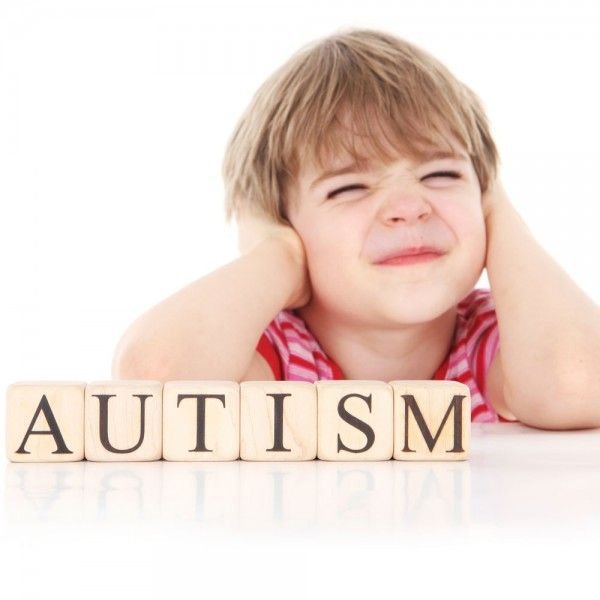
People with ASD experience the world differently to everyone else, and they will do so for life as there is no cure for the condition.
There are also varying degrees of the condition, and some people may have mental health issues along with their ASD symptoms. People who have ASD are quite intelligent, with most of them having average to above-average intelligence, and most do not have any learning disabilities.
However, they may have specific difficulties with learning, such as dyslexia.
There are approximately 700,000 people in the UK who have some form of autism, which is about 1 in every 100 people. It tends to be diagnosed more in males than females.
The Symptoms of ASD
The symptoms of ASD vary from person to person, and there are many behaviours that could indicate that a person has the condition. For instance, one of the most common symptoms is difficulty with regards to social communication and interaction.
People can show the following symptoms:
-They cannot understand facial expressions.
-They do not understand the tone of someone's voice.
-They do not realise when someone is being vague.
-They do not always get sarcasm or jokes
They can have good verbal skills, and may be very talkative, but they may tend to talk only about themselves and their own interests. Social interactions are difficult for people with ASD because they may not be able to 'read' other people, meaning that they do not understand certain social cues. They may also exhibit the following symptoms:
-They seem insensitive to other people.
-When feeling overwhelmed, they seek solitude.
-They do not seem to require comfort from others.
-They may have difficulty forming friendships.
-They behave in socially inappropriate ways.
People with ASD also tend to show repetitive patterns of behaviour; they have highly-focused interests, and may become sensitive to sensory stimuli.
For instance
Someone with ASD may have a very strong interest in aeroplanes, and they will spend hours at a time reading and learning about everything to do with aeroplanes. Another example is that they might be overly sensitive to touch, taste, colours or sound. In some cases, they can be under- sensitive to these things.
The Treatment of ASD
There is no set treatment for ASD, and it cannot be cured. However, those who have been diagnosed with the condition can learn to cope with it. Many of the treatments for ADD/ADHD are also used in the treatment of ASD.
They include:
-Social skills training
-Speech-language therapy
-Education programmes for parents
-Cognitive behavioural therapy
There are no medications that are approved to treat ASD, but some doctors have found good results with medications that treat other disorders, including:
- Antipsychotic medications
- Selective serotonin reuptake inhibitors
-Stimulant medications
Specific Language Impairment (SLI)
Specific Language Impairment is a condition that can affect language, speech and communication. Children who have this condition are generally 'normal' in most ways, but they have extreme difficulties understanding language.
Signs of Specific Language Impairment include the following:
Difficulty verbalising what they want, even though they know what they want to say.
Speaking in sentences that are difficult to understand.
They may have a muddled way of speaking that is difficult to follow.
Having problems understanding words and phrases.
Issues remembering words that they know well.
Difficulty joining in conversations.
Specific Language Impairment is quite a broad category, and some children have issues that are quite mild. Others, however, have severe difficulties that affect both their speech and understanding and, in some cases, their memory. These children are often very clever which causes others to forget that they are not just as capable as their classmates.
Children with this condition often get by in the classroom by doing things such as copying and watching their classmates, and, in some cases, they develop behavioural difficulties. There is no known cause of Specific Language Impairment although researchers do know that it relates to developmental issues in the language and speech areas of the brain.
Generally, however, there are no other brain issues to note. Genetics also probably play a role in the child developing Specific Language Impairment.
As with most conditions of this type, Specific Language Impairment affects boys more commonly than girls, and about 7% of children in the UK have this condition.
Treatment for Specific Language Impairment
Children who have Specific Language Impairment cannot learn language in the normal way. Speaking to them and encouraging them simply does not work. Instead, they need the right support with language so that they can start to learn and develop their language to their full potential.
If a child with this condition does not have this support, they can have lifelong difficulties with language. Children with this condition will require support throughout their school years, but many improve over time, as they learn to cope with this condition.
For example
A child may learn how to better understand what others are saying, but they still struggle when attempting to construct sentences.
Assignment
Co-Occurring Conditions with Dyslexia
Time: 25+ minutes
Conclusion
Dyslexia can appear as a single condition, or it can occur with other conditions, including those that have been discussed throughout this module. When treating these conditions, it will not automatically help the dyslexia, although some of the conditions listed in this module have similar management methods to those of dyslexia.
In many cases, if a child presents with any of these conditions, including dyslexia, the GP or other medical professional will also look for symptoms of other conditions. If any are found, an appropriate treatment and coping plan can be drawn up.
.svg)



