
12.1 Introduction

One of the things that people with depression will come to realise as they recover is that there is life after depression. However, when in the throes of depression, it may feel as if you will never get back to how you were before the depression. You might even question if recovery is possible. Yes, recovery is possible, and it is possible to have a happy, fulfilling life after being diagnosed with depression. This is what this module will focus on - life after depression.
12.2 Achieving a Full Recovery... is it Possible?

When it comes to recovery from depression, some people do better than others. Many people who have been diagnosed with depression are able to avoid the cycle of negative thinking, and they can bounce back from depression. If this sounds like you, and you have made a good recovery from depression, there is good news - you are much more likely to experience a full recovery. At the same time, however, you never know when another bout of depression might appear.
Those who have full remission of their symptoms are much more likely to have a long period of time between episodes, and many will have no further episodes at all. Even if you do experience another episode, people who achieve remission from depression symptoms are more likely to get back to their old selves between each episode, and do so quickly. Additionally, those who suffer a further bout of depression find that the severity of the depression is not as severe as previously.
Activity
Estimated time: 10 minutes
Whether or not you are still in a state of depression or even if you have been cleared of depression symptoms, you should focus on the future. Think of five things that your depression has taken from you, such as enjoying spending time with family and friends. Then, choose several activities that can help you get back to the activities that you love. Once you have this list in place, you can begin taking small steps to meet these goals
12.3 Having Residual Symptoms
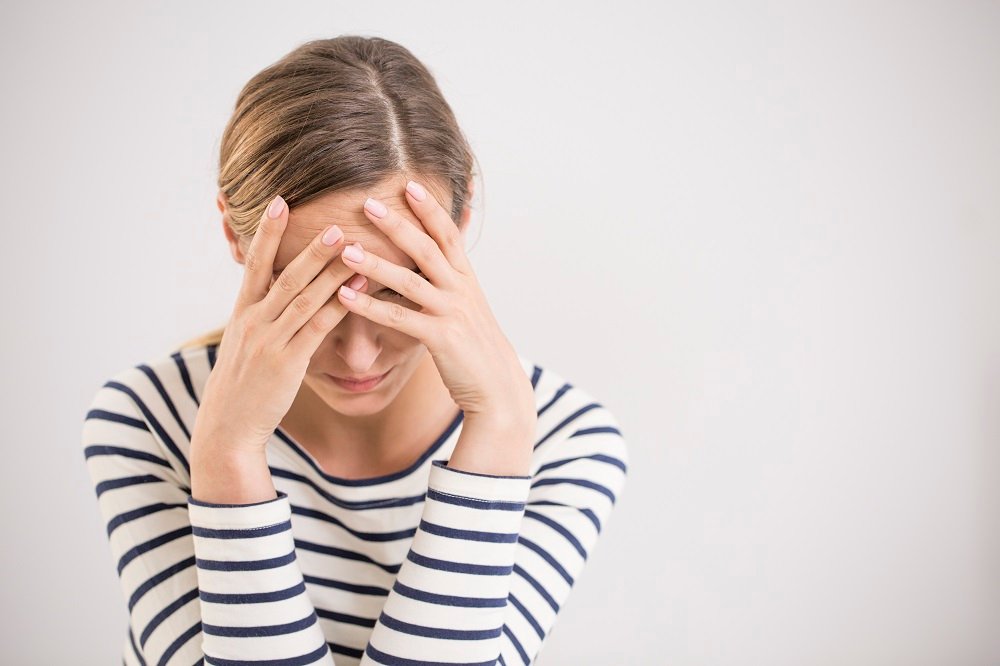
Though some people can have a full recovery from their depression, others will have residual symptoms of the condition throughout their lives. They might, for instance, have repeated episodes that cause long-term, or even permanent psychological and biological changes. These changes make it more likely that you will get depressed in the future. Additionally, residual symptoms mean that you might have a shorter break between bouts of depression, compared to someone not experiencing these symptoms.
The issue here for the many people who are experiencing this, however, is that there might be difficulties in finding if one is truly symptom-free. You see, researchers and doctors measure 'responsiveness to treatment' in two different ways. Researchers, for example, measure treatment response with formal rating scales. Doctors, however, see responsiveness to treatment differently. If they note that a patient's major symptoms are going away, they say that the patient is responding to treatment. However, the major symptoms of depression are not the only symptoms.
Many people have other symptoms that they might not mention to their doctor or that they do not connect with their depression. Research shows that there are also differences between people who are said to be 'in remission' from depression. In order to measure the differences in people who show signs of recovery from the condition, researchers use a rating scale.
The most commonly used scale is known as the Hamilton scale, but there are others also. These scales work by asking a person a series of questions about the frequency and the severity of their depression symptoms. Each answer is assigned a point, and at the end, the number of points are added together and compared with the scale. Depending on where the person's score falls, researchers are able to determine if a person is at low or high risk of recurring bouts of depression.
Activity
Estimated time: 10 minutes
One way to keep symptoms of depression at bay and prevent a recurrence of the condition is to learn to attack thoughts that are not helpful. Think of a recent unhelpful thought that you recently had and ask yourself the following questions:
What evidence do you have that this thought is true?
What evidence do you have that this thought is not true?
What would you tell someone if they had this thought?
Think about your calmest friend. How would they react to this thought?
What good things will you gain if you gave up this thought?
FACT
Certain genetic variations on chromosome 3 could play a role in severe and recurring depression.
Source: BBC.co.uk
12.4 The Long-Term Outlook

The long-term outlook of life after depression varies depending on the person. Furthermore, the outlook can be divided into several dimensions of someone's life, including social, biological, and psychological.
Depression is a condition that affects the entire social structure of an individual. Most people experience a lot of conflict within their closest relationships, and many attempt to isolate themselves from the people they need the most. After depression, the damage done to these relationships does not simply disappear. So, take note that you should not expect everyone to easily accept you back into their lives. This is especially the case where people do not understand depression.
Depression can also affect the way people perceive you at work. They might see you as unreliable, unstable, or they might be reluctant to give you new projects. This can also affect your opinion of yourself. It is easy to internalise opinions, and you must be careful that these feelings do not trigger another bout of depression.
Biological
There are also biological aspects that can affect the long-term outcome of depression. The important thing to remember here is that these changes are out of your control. There is hope that in the coming years medication will help to correct these things, but right now, as we do not even know what causes depression, it is difficult to come up with a solid, biological treatment. We do know that after depression a person's brain anatomy changes. Specifically, the size of the hippocampus, which is linked to a person's memory formation, is smaller in those who have gone through depression. The longer the depression lasts, the smaller the hippocampus becomes. This might be related to the reduction of proteins, such as BDNF, which helps to form new neurons. As this protein decreases, the neurons lose what they require to survive. This protein is also active in the hippocampus, and the reduction of the protein might be the reason the hippocampus shrinks.
Depression also has a relationship to high levels of stress hormones in the body, and these can affect a person long after the depression is in remission. The main hormones, norepinephrine and serotonin, might still fluctuate in the months and years following a depressive episode. The bottom line here is that even after depression is gone, there are still biological processes occurring in the brain. The relationship these processes have with depression are still being studied, so researchers are still unsure why some people experience these and some do not. What we do know is that the biological aspects of depression have long-term effects on the brain, and this makes anyone who has had depression in the past more vulnerable to depression in the future.
Psychological
There are also some psychological aspects of depression that a person might experience after depression is in remission. One of the psychological aspects of depression that one might experience is fear. You know what it is like to experience the disabling effects of depression, and you certainly do not want to do it again; so you might experience some fear and anxiety about the condition returning. Everyone wants to avoid the illness returning, so usually look for ways to prevent it.
For example, some people will do their best to avoid any stressful situations, as they know that stress can trigger an episode of depression. This is certainly understandable, and in many cases, it is necessary. However, it is often difficult to find a balance between the reality of risks and the fear of risks. For many people, the risk of depression recurring is very real, so it is important after the depression to find ways to stay as healthy as possible. At the same time, however, there is a danger of underestimating the things you can do and avoiding things that could negatively affect your level of resilience and sense of self.
Another psychological aspect of life after depression is memory. Researchers have found that there are a couple of changes in one's memory that have a long-term effect when they have depression. The changes in memory have a lot to do with the biology of the brain, but when living with these effects, it can bring on psychological changes, too. One such thing is holding on to memories that are short-term. This means that people have difficulty with remembering certain things they might have just heard, such as an address. This can affect one's work, social life, and how they function at home. Many people experience this during their depression, and some experience it after depression, too.
Some researchers even believe that depression actually etches some of the memories a person has with 'its mark', which is then permanently stored in the brain. Since these memories are negatively charged with the depression, it can prolong the past, and in some cases, even trigger a new bout of depression. These memories might overshadow any new memories, or they can cause new memories to be negative, even if they are not. This also adds to the cycle of depression, and makes people more vulnerable to a new episode.
Module Summary
This module focused on life after depression. Yes, it is possible to live a full and happy life following depression, and in many cases, once the depression is gone, it is gone forever. However, in other cases, people may experience some continued symptoms of depression; even when the major symptoms of depression are gone. Additionally, it is possible that the individual might have internal processes occurring that can cause the depression to come back. Now that you have completed this module, you should know that it is possible to experience a full recovery from depression, and that many people do. Additionally, you should know that some people have residual symptoms of depression, even after a doctor has said they are cured of the condition.
The long-term outlook for depression varies depending on the person, but most of the time, the more severe the depression is, the more likely it is to return. In addition, when looking at the long-term effects of depression, one might discover social, biological, and psychological consequences of the condition, which can raise the risk of one developing full blown depression again. There is no reason to believe that someone can never overcome depression, because it is certainly possible, but it can recur in the months, or even years, after treatment.
.svg)



