
7.1 Introduction

If you have been following this course thus far, you already know a bit about treatments. Though we have not given a lot of details about the treatments for depression, we have mentioned them throughout the course. You should now be aware that treatment for depression depends on the severity of the depression. Additionally, you should now be aware that a single treatment of depression often does not work, and the best course of treatment is to combine several treatment methods.
This module will lay out the traditional treatments for depression and give all the details that one needs to understand how the treatments work. The next module will explain some alternative treatments for depression.
7.2 Treating Depression Based on Its Severity

Here are some of the most common traditional treatments for depression based on the condition's severity:
Mild Depression
Those with mild depression usually show detectable signs of depression, such as being less interested in activities they enjoy, reduced motivation, or unusual irritability. These feelings are present, but with mild depression, a person can still function as they normally would, and the condition does not have a big impact on the individual's daily life. The main treatment methods for mild depression are as follows:
Wait and See - Those who are diagnosed with mild depression might see the condition improve on its own. In this case, most people see their GP every few weeks to monitor their progress.
Exercise - Exercise can help depression, and is one of the main treatments for minor depression. Some GPs will refer their patients to a fitness trainer, or they will give the patient a list of recommended exercises to do several times a week.
Self-Help Groups - It is often helpful for those who have mild depression to talk through their feelings, so a GP will often suggest a self-help group. Additionally, they might recommend self- help books or online therapy.
Moderate Depression
Moderate depression is a type of depression that can cause difficulties in one's everyday life. All of the symptoms of mild depression are present in moderate depression, but they are worse. These people also have a notable reduction in their self-esteem and confidence, and worry about unnecessary things. They are also much more sensitive, get their feelings hurt more easily, and become more easily offended.
The main treatment for moderate depression is talking therapy. There are a number of different types of talking therapy that are used for depression, including cognitive behavioural therapy. In some cases, a doctor might also suggest antidepressants, which can help to alleviate the symptoms.
Severe Depression
Those with severe depression have a considerable amount of agitation and distress in their lives. They have almost no self-worth, and it is unlikely that these people can function at work or participate in social activities.
Treatments for severe depression include:
Antidepressants - There are almost 30 antidepressants approved for use in the UK, and most people must try several of them before finding one that works.
Combination Therapy - Those with severe depression also often use combination therapy, which means they use a combination of medication and talking therapy.
Mental Health Team - Generally, those with severe depression also work with a team of mental health professionals, which are made up of psychiatrists, psychologists, therapists, counsellors, and nurses. These teams provide intense care, which might be in-patient or out- patient.
Electric Shock Treatment - In some cases, severe depression is treated with electroconvulsive therapy, or ECT. Usually, people are given this treatment if other treatments have failed. During this treatment, the individual is given small shocks through electrodes that are attached to the brain.
Now that you have some knowledge about what traditional treatments are often used for depression, it is important that you get to know the details of some of them:
Activity
Estimated Time: 10 minutes
There are a number traditional treatments that are available in the UK for people who suffer from depression. Think back on the information that was presented about these options and consider what is best for the following situations:
For someone who has been suffering with moderate depression for many years.
For someone who has been feeling down, but it is not affecting their everyday life.
For someone who has tried every depression treatment available without much relief.
7.3 Exercise for Depression

Since depression often makes people feel low in energy, becoming more active can certainly help to improve these symptoms. When we exercise regularly, it can help to boost the mood, which can definitely help those with mild or moderate depression. Any type of exercise is good exercise, as long as one enjoys doing it and they do enough of it. Experts in the UK agree that to remain healthy, adults should get about 150 minutes of exercise each week.
If one has not exercised in a while, however, it is best to ease into this and not just start with hours of exercise on the first day. Remember, any exercise is better than nothing, so even a 10 or 15 minute walk can help to clear the mind and promote relaxation.
Activity
Estimated Time: 10 minutes
Depression can be alleviated and even cured by adding exercise into one's daily life. This is especially the case when it comes to mild depression. If you have mild depression, or if you know someone who does, think of your local area and the opportunities available to get more exercise.
Is there a local walking path available? Is it possible to walk around the neighbourhood? Is there a place where one could go cycling? Is there a local pool that you might have access to? Are there fitness classes you can sign up for? After answering these questions, make a list of exercises that you can try or that you can suggest to others, that might help your depression. Focus on starting this practice as soon as possible.
7.4 Self-Help Support Groups for Depression

Depression often makes people feel as if they are isolated, and it can be helpful for those who have depression, especially mild depression, to connect with others who feel the same. A self-help group does this especially well. Not only do these groups allow one to get the help and support they require, they will also help others to get the help they need, too.
These groups can be quite fun and uplifting, and they are an excellent way to get support. There are a number of self-help support groups available in the UK, and one does not need a referral from a GP or a prescription to attend. Depression Alliance is a UK-based organization that lists information about self-help groups, and a GP can certainly recommend groups in a local area, too.
When attending a self-help support group, sitting and talking often occur, but many groups also organize social activities and events that can help to boost the mood and improve well-being.
7.5 Cognitive Behavioural Therapy (CBT)

The most well-known talking therapy for depression is cognitive behavioural therapy, or CBT. This is a type of talking therapy that helps those with depression manage their issues by changing thought patterns and behaviour. CBT works on the concept that a person's feelings, thoughts, actions, and physical sensations are all connected, and that these work in a cycle that can trap an individual within. This type of therapy, however, helps people to deal with their issues by breaking them down into smaller pieces.
Unlike other types of talking treatments, cognitive behavioural therapy deals with current issues instead of focusing on the past. It also focuses on practical ways to improve the state of mind in people each day. CBT is quite effective when treating a number of mental health issues, including anxiety and depression. Though CBT does not necessarily cure any of the physical symptoms of depression, it can help people cope with the symptoms.
If a GP recommends CBT, sessions typically occur every one to two weeks. This treatment generally lasts for five to 15 sessions, each of which lasts up to 60 minutes. During each session, the therapist will work with the individual to break down their issues into smaller, easier to handle, parts. The therapist will then analyse these areas and help the individual understand if they are realistic and helpful, and to learn how each of these thoughts and feelings might affect the others. After understanding this, the therapist works with the individual to practise the changes, which are then reviewed in the following session.
The goal of the therapy is to help people apply these skills in their daily life. The Pros and Cons of Cognitive Behavioural Therapy Cognitive behavioural therapy is as effective as medication in many cases, but just like medication, it does not work for everyone.
Some of the pros of CBT include:
Supporting medication to improve depression Is a short-term option for treatment, as it only takes a few months, in most cases CBT is structured, so it can be manipulated for different formats, including books, online therapy or group therapy Teaches useful strategies for everyday life that lasts after the treatment is over
*A commitment to the process, which will last several weeks
*Attending sessions regularly and practising learned concepts can be time consuming
*It is not good for those who have learning difficulties or complex mental conditions
*One must confront anxieties and emotions, which can be difficult for many
*One must focus energy to change themselves, but this type of therapy does not address other problems that might have an impact on their wellbeing
There are some critics of CBT that say it only focuses on a small number of issues; and only on current behaviours, not anything in the past, such as an unhappy childhood.
Computerised CBT: Some research suggests that computerised CBT could be helpful for some people, although it's not yet known how well it works.
Source: mind.org.uk
7.6 Antidepressants
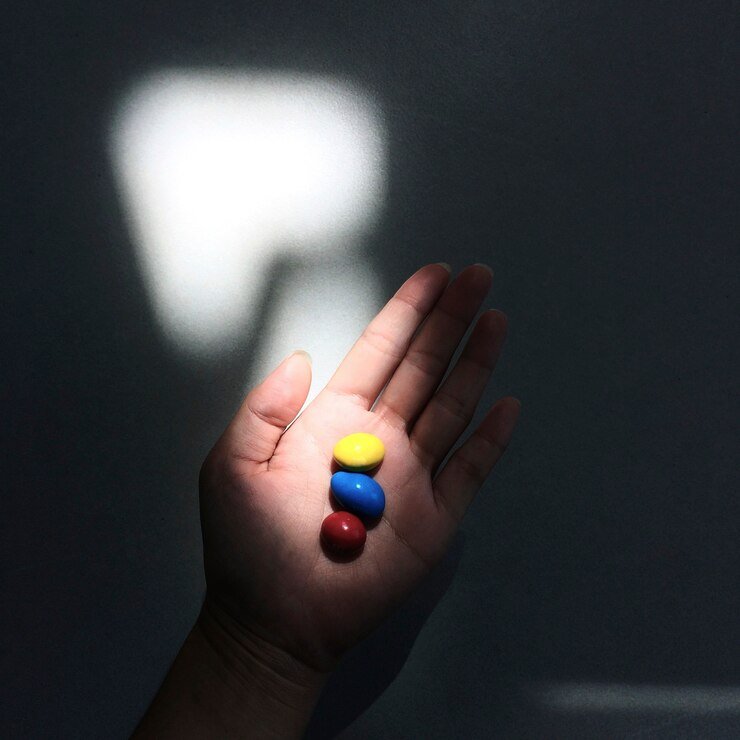
When most people think of depression treatments, they think of antidepressant medications. Antidepressants work by increasing certain chemicals, called neurotransmitters, in the brain. Some of these neurotransmitters, notably noradrenaline and serotonin, will improve mood and emotion, though why this occurs is unknown.
It is known, however, that the increase in these chemicals also disrupts the pain signals in the brain, which is why some antidepressants also work as pain relievers. Though antidepressants will treat depression symptoms, they do not always address the causes of depression. This is why the medications are often used in combination with other treatments, such as talking therapy.
Most people who take an antidepressant will benefit from them, but some research shows that for mild depression, antidepressants may not work as well. With moderate to severe depression, however, antidepressants are known to be the most effective way to treat the symptoms. According to the Royal College of Psychiatrists, there are estimates that up to 65 percent of people who take antidepressants will see an improvement in their condition.
Most antidepressants come in a tablet form, and people start at the lowest possible dose, though most people do eventually take higher. Generally, people must take these medications for about seven days before noticing a benefit. Most GPs and mental health specialists recommend that a person takes antidepressants for about four weeks before determining if an increase in dose or another medication might work better.
Treatment generally lasts for about six months, though people with previous bouts of depression might take these medications for up to two years. Those with severe depression or those who have recurrent depression might take these medications indefinitely. Though antidepressants are known to work well, there are side effects that people must consider.
The most common side effects are generally mild, and include agitation, nervousness, dizziness, stomach distress, and a dry mouth. Usually these effects improve within a couple of days or weeks. As mentioned before in this course, there are nearly 30 different antidepressants that are available in the UK. The most commonly used are: Selective Serotonin Reuptake Inhibitors (SSRIs)
The most commonly prescribed antidepressants are selective serotonin reuptake inhibitors, which are known as SSRIs. Medications in this category have fewer side effects when compared to other antidepressants, and if someone overdoses on them, it is less serious. The best known SSRI is Fluoxetine, which is sold as Prozac. Others include Cipramil, Seroxat, and Lustral.
Serotonin-noradrenaline Reuptake Inhibitors (SNRIs)
Serotonin-noradrenaline reuptake inhibitors, or SNRIs, were designed to work more effectively than SSRIs, but if they actually do or not remains unclear. What is known is that some people respond better to an SSRI whilst others respond better to an SNRI. Some well-known SNRIs include Cymbalta and Effexor.
Noradrenaline and Specific Serotonergic Antidepressants (NASSAs)
Noradrenaline and specific serotonergic antidepressants, or NASSAs, are often effective for those who cannot take an SSRI. These are not as common as other medications, and they often cause drowsiness. The most common NASSA in the UK is Zispin.
Module Summary
This module introduced the main traditional treatment option for depression in the UK. First, you should have learned how different severities of depression are treated in different ways. What might work for someone with minor depression will not work with someone with severe depression, and vice versa.
The module also explained what each of the main types of traditional depression treatment actually treat. You should know why exercise works well for those who have minor depression, and what occurs when an individual attends self-help groups. You were taught also that cognitive behavioural therapy is an effective treatment option for those with depression, and the module explained what one can expect from cognitive behavioural therapy.
This module also introduced more information about antidepressants and explained the different types of medications available in the UK. Now that you are aware of the different traditional treatments for depression, you will certainly want to remember them as you work through the next module, which will cover alternative therapies.
.svg)



