
9.1 Introduction
By working through this course you have learned what depression is, why people develop depression, and how to treat depression. In the course it was mentioned previously that self-help is a way to control, possibly treat, or lower the severity of depression. This is what the ninth module will focus on. Self-help has a few advantages over traditional counselling, but it is not for everyone.
For example, it is affordable, convenient, and people can do it at a time best suited to them. However, it might not be sufficient for some as there is no face-to-face contact. It is also not appropriate for those with severe depression. This type of therapy is often a useful step if one is unsure about needing treatment, but if you do not feel better after trying this therapy for a few weeks, or you begin to feel worse, you should reach out to your GP. There are a number of self-help options available to you, all of which you can read about throughout this module:
FACT
Our brains are made of more than 50% fat, and our cells need fats to maintain their structures, therefore an adequate supply of fats is needed to maintain brain health.
Source: The Association of UK Dietitians
9.2 Self-Help Books
One of the most obvious self-help options for those who have depression are self-help books. There are a huge number of these books available, and you can easily find them in libraries, bookshops, or even read them online. Some of these books are outstanding with excellent content, however, many are not.
Here are some ways to tell if a book is good or not:
Was the book written by a therapist or accredited counsellor?
Does the author have a lot of experience?
Is the book endorsed by a health professional or organisation?
One example of a series of self-help books that is endorsed by the Royal College of Psychiatrists is the 'Overcoming' series. This is a series based on the theories of cognitive behavioural therapy, covering more than 30 mental health conditions, including depression. You can find these in libraries, bookshops, or download them online. There are also self-help books available on prescription for those with depression. These are endorsed by the NHS. Talk to your GP about how to access these books, or you may find them at a local library.
9.3 Online Mental Health Services
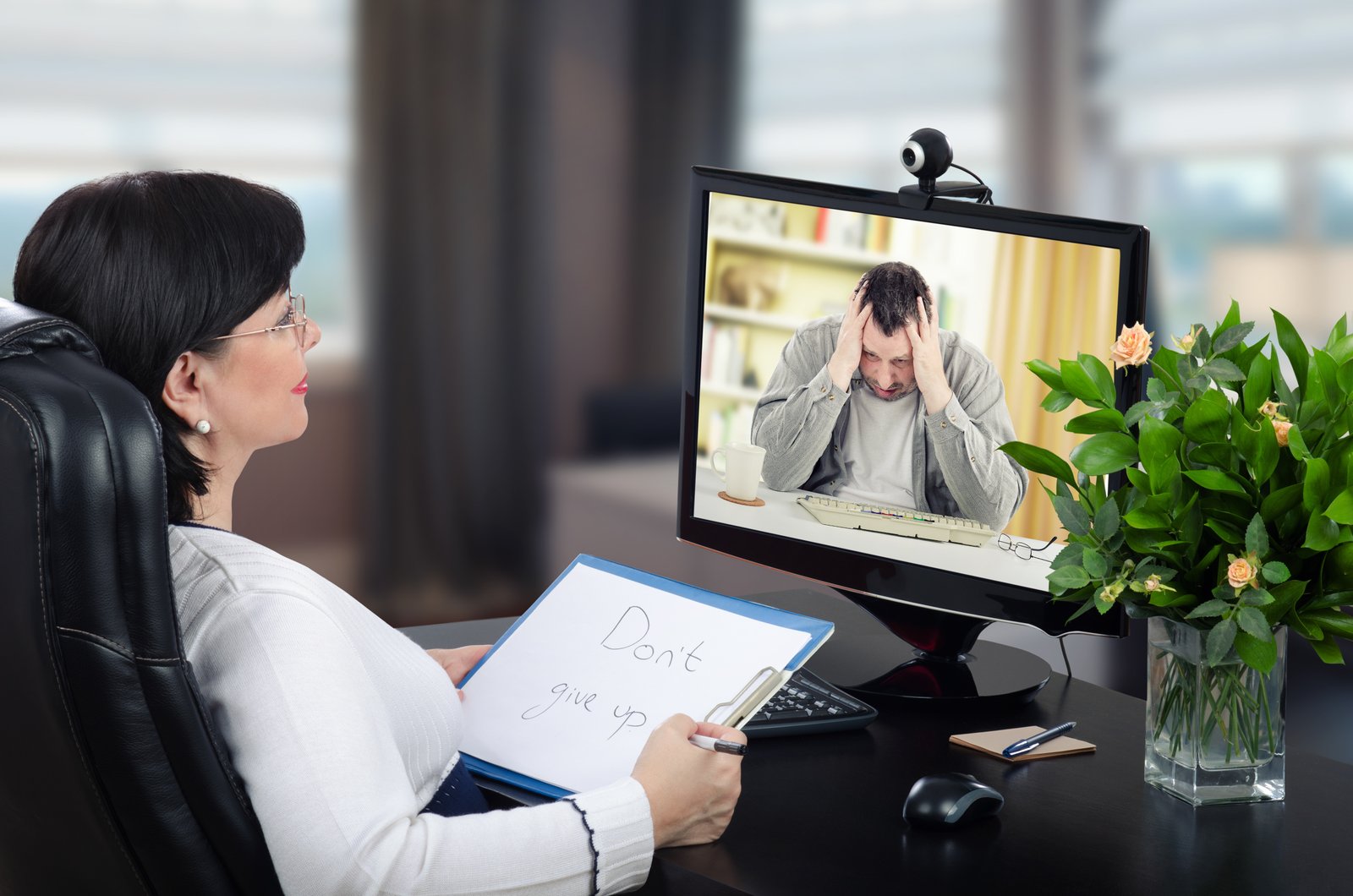
The National Health Service has also approved of online mental health services, which is a form of self-help. Research shows that these online services are just as effective as someone attending sessions with a mental health therapist or counsellor.
There are different methods available for online mental health services, including working through online self-help courses and live therapy via webcam or instant messaging. There are also anonymous online communities where people, who have similar issues with depression, can interact with each other. One of the benefits of these online services is easy use; requiring basic computer knowledge only, and they can be accessed via any device with an internet connection.
9.4 Email and Phone Counselling

Another alternative to face-to-face therapy is email and phone counselling. This type of counselling is ideal for those who have social anxiety in addition to depression, for those who are housebound, or for those who do not have mental health services in their area.
This type of counselling is available nights and weekends, and cuts out any travelling; so there is no need to leave the comfort of home. Phone counselling is almost identical to face-to-face therapy, but you are only talking to the counsellor, not actually seeing them. This type of counselling is increasingly offered by private mental health professionals, and often offered by charities and workplaces.
9.5 Activity and Exercise
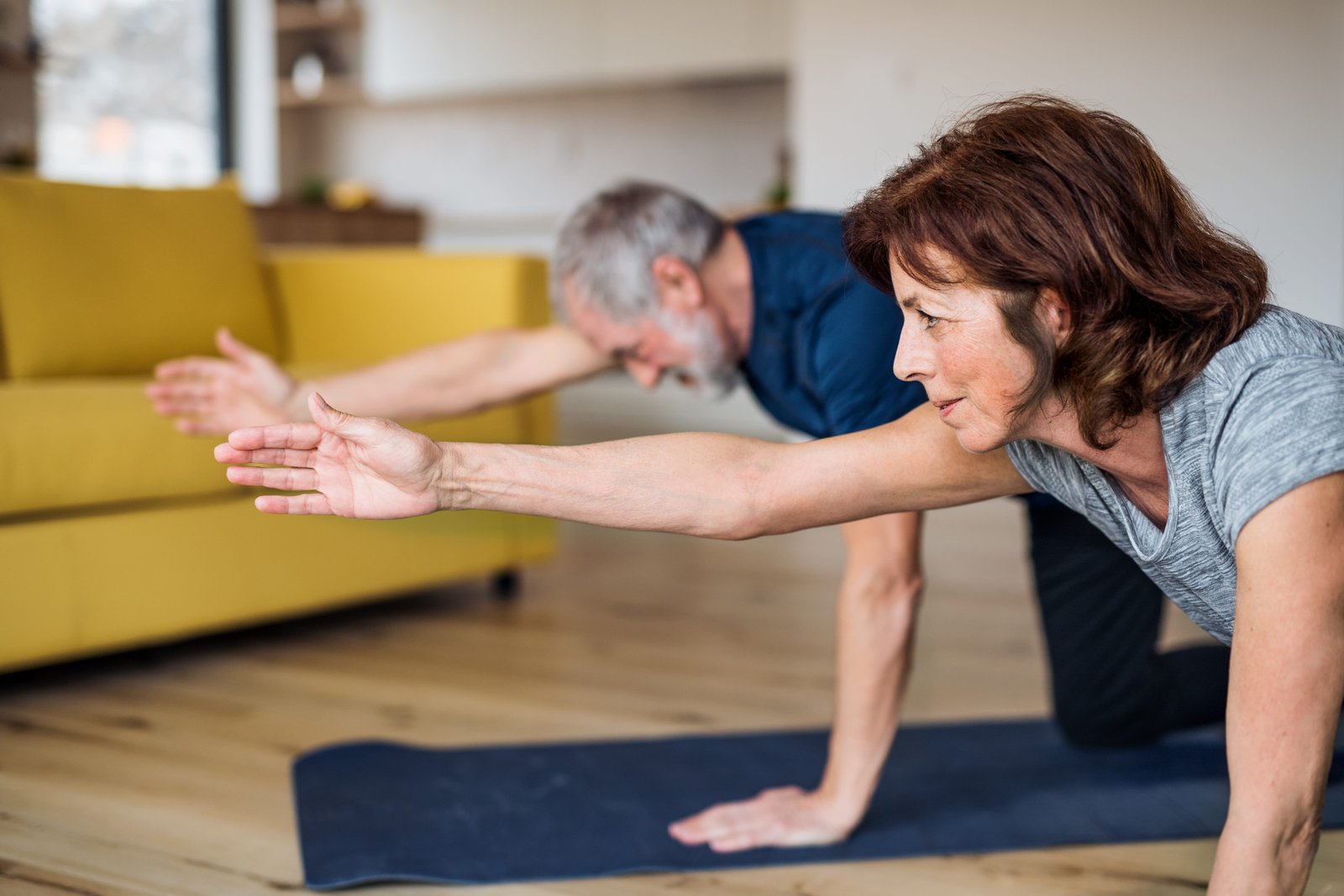
We have already introduced the concept of exercise for depression, and we are going to bring it up, again, because yes... it is really that important. Most people with depression lack motivation and feel tired, but simply increasing the amount of exercise you do can make a positive impact on the mood. Not sure if exercise is right for you?
Here are some of the benefits that those with depression will experience when adding more activity:
You will feel better about yourself
You will feel less tired
You will be motivated to do more during the day
You will think more clearly
You will get your mind off your depression
You will have a sense of achievement
You will enjoy being with others
Your body will produce natural antidepressants
It will stimulate your appetite
It will improve your overall health
When using exercise and activity for depression, it is important to get a good balance. This will help to further give you a sense of enjoyment and achievement. Make sure to choose activities that are enjoyable to you, activities that are positive, and those that give you purpose. To stick to the plan, you should make sure to set goals for yourself, and ensure that the goals are achievable. For instance, if you are new to exercise, instead of setting a goal to run a marathon, you should instead set a goal to walk 30 minutes without stopping. When you set unrealistic goals, you set yourself up to fail, which certainly will not help your depression.
For those who struggle with their motivation, consider committing to something for just five minutes. Do the activity for five minutes, and then choose to stop or keep going after that point. It is also important to reward yourself when you meet these goals. Choose a reward that you have wanted for a bit, such as a trip to a new restaurant or a piece of your favourite cake.
Activity
Estimated Time: 10 minutes
One of the things that one can do for depression is to participate in activities, such as exercise. This module presented information about planning and participating in activities, especially when you feel a bout of depression coming on.
Think about some of the activities that you enjoy, both exercise and otherwise, and make a list that you can keep with you. This way, when depression comes around, you can refer to the list and start getting your mind on it. The sooner one begins to get a hold on their depression, the less severe it will be.
9.6 Do Things Differently
Another thing that you can do as a self-help practice is to simply start doing things differently. What you are doing currently is not working, so why not make a change? Here are some ideas:
STOPP
The STOPP technique is one thing that you might want to do, as it is like a condensed version of cognitive behavioural therapy. To use the STOPP technique, follow these steps:
Stop - Simply stop what you are doing.
Take a Breath - Take a deep breath, and notice your breathing pattern.

Observe - Next, observe the thoughts that are going through your mind. Where is your attention focused? Why are you reacting? What sensations are you feeling?
Put Things in Perspective - Then, try to put things into perspective. What is the big picture? How can you look at this situation differently? What advice would you give to someone else in this situation? Is your thought process true or simply your opinion? How important are these thoughts? How important will they be in six months?
Practice and Proceed - Finally, ask yourself what you can do right now. What is best for you, or for others, in this situation? What action is effective and appropriate?
Mindfulness
We learned about mindfulness in the previous module, and you can also use it in this situation. Remember, mindfulness is keeping your thoughts in the present.
Relaxation
You also might want to employ some relaxation techniques. These might include deep breathing in silence, meditation, prayer, or listening to relaxing music.
Volunteer to Help Others
When you help others, you often feel better about yourself. If you look, you will surely find volunteer opportunities in your local community. If you don't feel comfortable going out into the community, you might find some online volunteer opportunities. You also might consider donating money.
Ground Yourself
If you begin to feel low, begin to panic, or feel anxious, try grounding yourself. To do this, look around and take in your surroundings. What do you hear? See? Sense? Smell? This will bring your mind to the present.
Write it Out
Sometimes getting the thoughts off of your chest is enough to help you feel better, so grab a paper and pen and start writing down your feelings and thoughts. Talking it out with someone you know might also help, too.
Get Creative
You might have heard of art therapy, which is a therapeutic way to cope with mental conditions, including depression. To do this on your own, select a creative approach, such as painting, drawing, knitting, or scrapbooking. Anything creative will do.
Visualisation

It will also help to visualise when using self-help to treat depression. Visualise yourself doing activities that you used to enjoy doing before your depression, or visualise things that you would like to do.
Activity
Estimated Time: 10 minutes
The STOPP technique is one method of helping oneself when they become depressed.
What are the steps that one should take when using the STOPP technique? How can you use these steps in your own life? What are your answers to each of the steps in the STOPP technique?
9.7 Change Your Diet
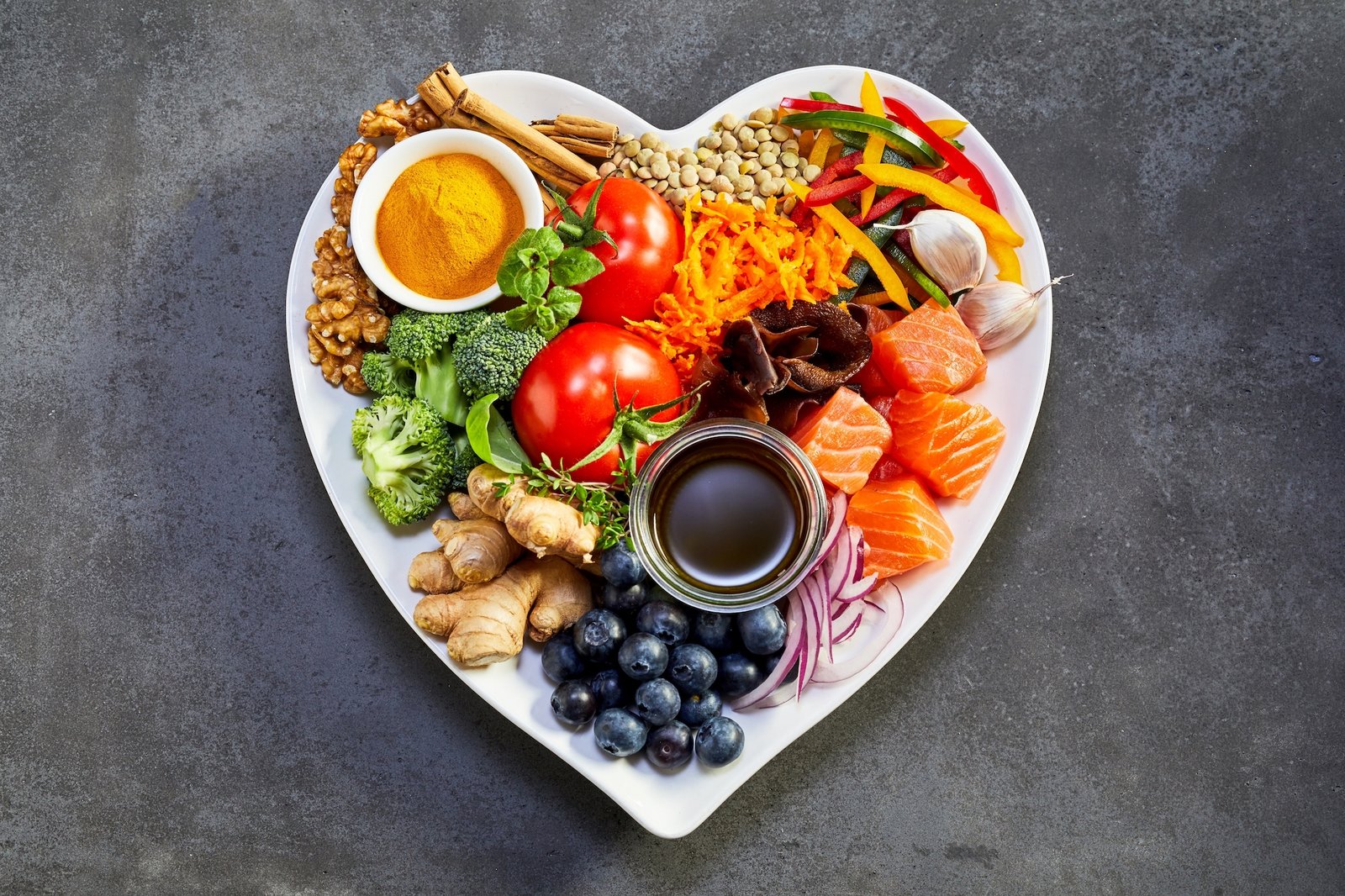
Finally, you might want to consider changing your diet to fight depression. There is a lot of research out there that supports the fact that certain foods can help to boost your mood. Part of the reason that these foods work so well is that they help the brain to produce more serotonin. Here are some foods to try:
Carbohydrates - Many experts recommend that people with depression eat more carbohydrates, found in pasta, high fibre cereal, and wholemeal bread.
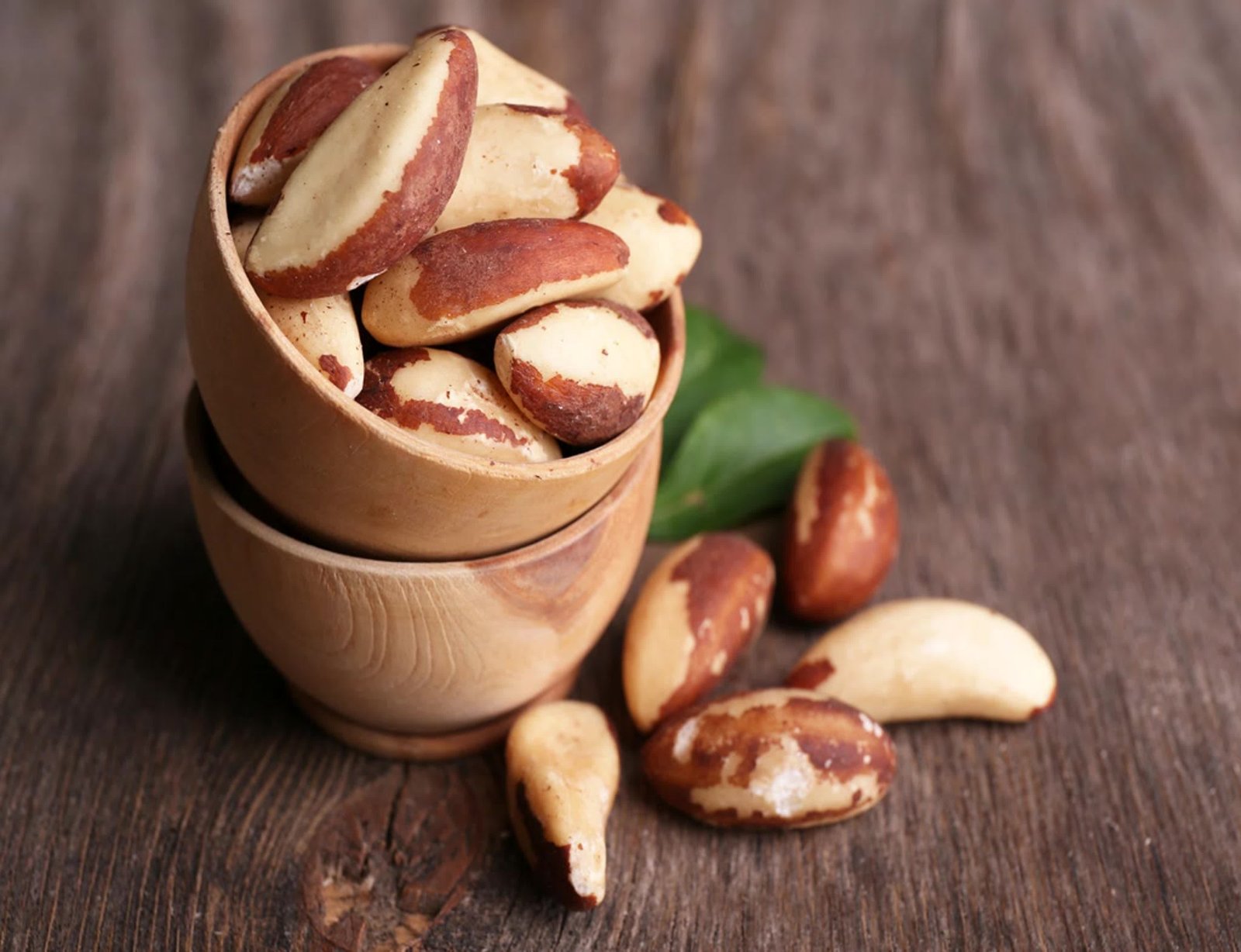
Brazil Nuts - Brazil nuts are high in selenium, which is a mood-boosting chemical.
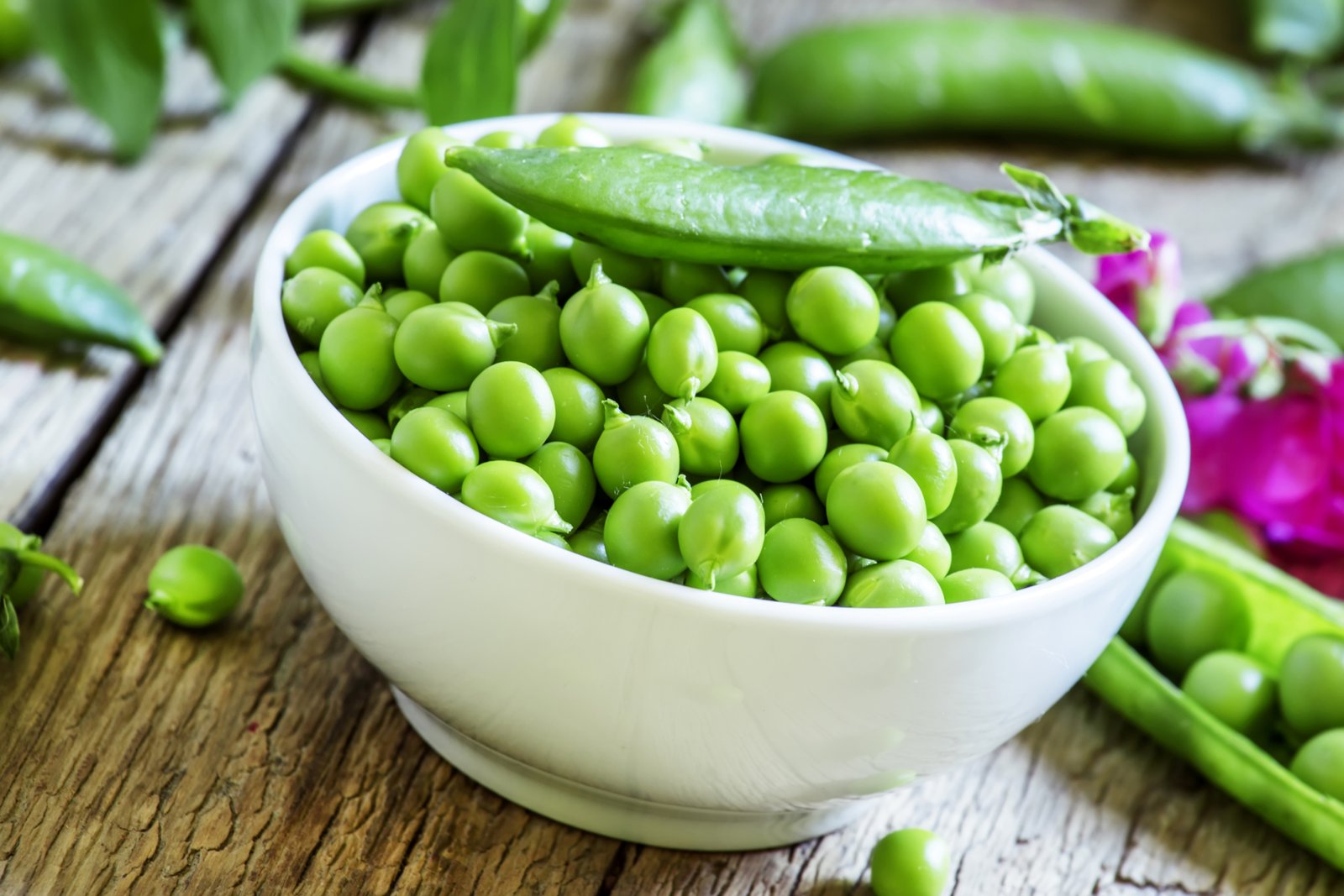
Peas - Peas contain vitamin B1, which helps to improve the nervous system.
Liver - Liver is high in vitamin B6 and iron. Keeping these levels high will help your mood.
.jpg)
Sardines - Sardines contain iron, and are also rich in potassium and B vitamins. All of these are necessary to maintain healthy brain chemistry.
Dark Chocolate - The aroma, flavour, and consistency of dark chocolate are big mood boosters. Chocolate that is 60 percent dark or higher also contains phenylethylamine, a 'feel-good' chemical.
Chillies - Chillies help to promote the release of endorphins in the brain, which again, helps one to feel good.
Bananas - Bananas are high in vitamin B6 and carbohydrates You also might want to consider staying away from foods that are from the nightshade family, including tomatoes, aubergines, and potatoes.
Module Summary
Self-help is one method of treating depression, and for many, these methods are a good place to start when one realises that they might have the signs of depression. Anyone can utilise these self- help methods, even if they are not sure they have depression. Many of these are good for anyone who has, or suspects, any mental health issues, including depression and anxiety.
This module suggested that self-help books might be appropriate for many people, and these are available at libraries, book stores, online, or even from a GP. The module also explained how online counselling works, and who it might be appropriate for. To reiterate the importance of exercise, this module additionally presented information about exercise, just as other modules in this course have.
This module also presented how changing your way of thinking and doing things will help you to break the never-ending cycle of depression. Finally, the module shared information about how eating the right diet can help to improve the symptoms of depression.
.svg)



