
4.1 Introduction

When most people think of depression, they think of symptoms like sadness or sleeping too much. However, this barely scratches the surface of what depression symptoms might appear. As we have learned thus far in this course, depression is a complex condition that is not easy to understand.
The symptoms are also difficult to understand because no two people have the same experience with depression. This module will focus on the symptoms of depression, including those that might only affect certain people or those that might appear in only certain situations.
4.2 Understanding Depression Symptoms
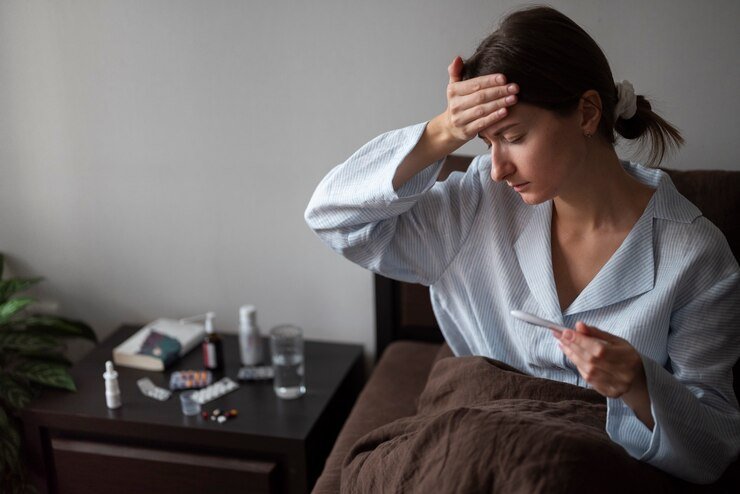
As this course has presented, many of us feel sad or lonely at times. We might have even said "I feel depressed". This is a normal feeling that is a typical reaction to a struggle, a loss, or even a blow to our self-esteem. However, when these feelings become too overwhelming, when they appear with physical symptoms, or last for several weeks, it can begin to affect one's life. When it begins to affect the day-to-day tasks that a person performs, it is advisable to see a GP for more information. At that point, the doctor will look at the person's symptoms, and then screen them for depression.
If this condition is not treated, the symptoms may worsen, causing suffering to the person who has it and possibly leading to suicidal thoughts. Generally, the biggest hurdle in providing a depression diagnosis is recognising the symptoms. This is so difficult, in fact, that approximately 50 percent of people who have symptoms of depression never get a firm diagnosis or treatment plan. This can, of course, become life threatening, as 10 percent of all people battling depression will ultimately commit suicide.
FACT
People who show signs of depression for less than two weeks are usually not depressed; those who show signs for more than two weeks are usually depressed Source: National Health Service
4.3 The Main Symptoms of Depression
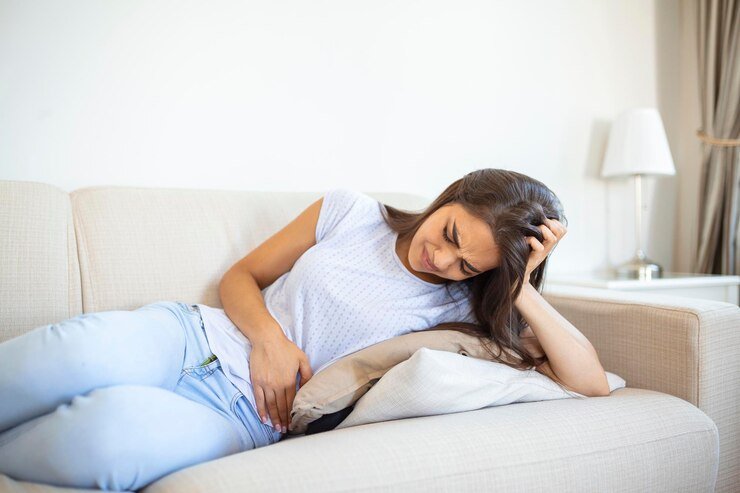
When most people think of depression, they think of very specific symptoms, but again, not everyone who has depression will experience all of the symptoms.
*Exhaustion and a loss of energy
*Thoughts that the smallest tasks are impossible
*Not enjoying activities one used to enjoy
*Feelings of anxiety
*Choosing to become reclusive or becoming frightened to be left on their own
*Feelings of dread when facing a social situation, such as a party or meeting
*Difficulty thinking clearly
*Feeling guilt over insignificant actions
*Feeling like a burden to other people
*Having thoughts that their life is no longer worth living
*Unable to see a bright future
*Feelings of hopelessness
*Increased feelings of anger or irritability
*Low confidence
*Trying to figure out where it all went wrong
*Feelings that life is not fair
*Difficulties with sleeping
*Feelings that life is 'passing one by'
*Physical aches or pains that have no known cause
For many people who have depression, the symptoms are usually serious enough to have an impact on their daily life, including school, work, relationships, or social activities. If people do not have these issues, they might generally simply feel unhappy or miserable without understanding why. Some groups of people also have different symptoms of depression.
4.4 Depression Symptoms Appearing in Teens and Children

Though the symptoms of depression in children and teenagers are similar to those in adults, there are some differences. Some of the most common symptoms in children and teenagers are as follows:
In young children, the symptoms of depression include: irritability, sadness, worry, clinginess, refusal to attend school, unexplained aches or pains, and being underweight.
Teenagers
In teenagers, the symptoms of depression often include: irritability, sadness, feelings of worthlessness, negativity, anger, sensitivity, poor school performance or attendance, drug or alcohol misuse, avoiding social activities, self-harm, and less interest in their normal activities.
4.5 Depression Symptoms that Appear in Older Adults
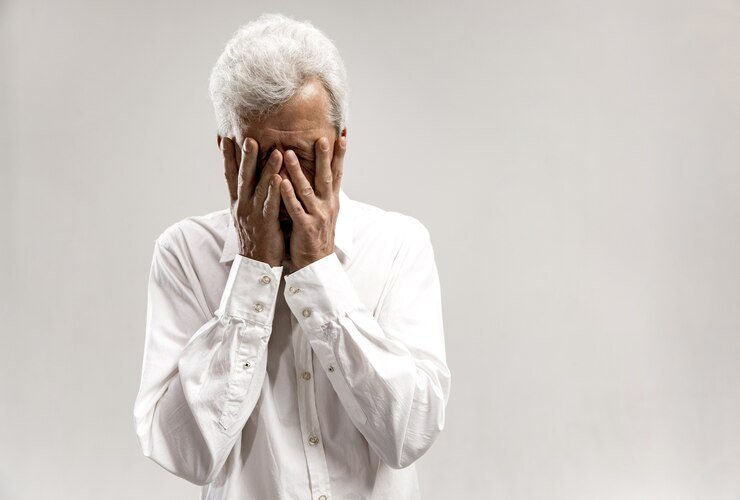
Some people believe that depression is a normal part of growing older, but this is not true. Older adults who develop symptoms of depression should be taken seriously. Many older adults remain undiagnosed or untreated for their depression, and many of them are reluctant to seek out help. The symptoms that older adults experience are often less obvious than the depression symptoms of others.
They include:
*Difficulties with memory
*Changes in personality
*Aches and pains
*Fatigue
*Sleep issues
*Loss of appetite
*Hermit-like tendencies
*Suicidal thoughts
4.6 Serious Symptoms Associated With Depression
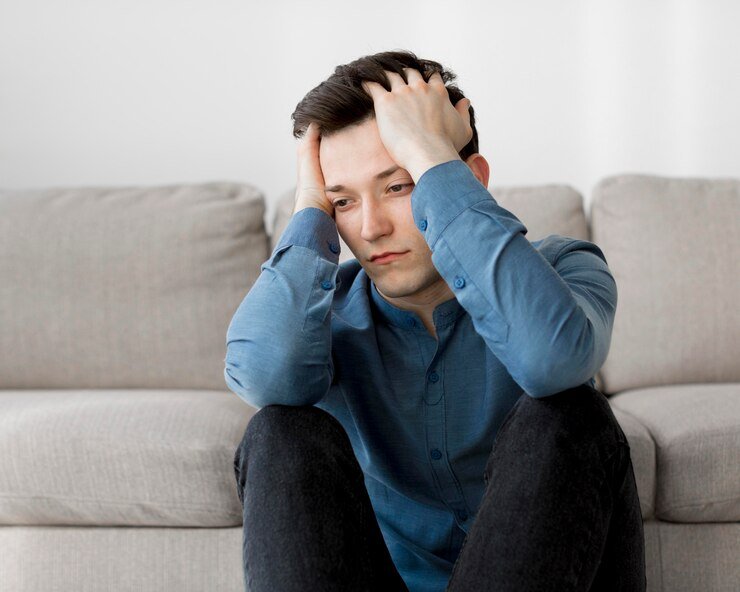
Though most instances of depression are treatable, in some cases, this condition may become deadly, as suicide can play a role. Those who have severe depression are at a high risk of attempting suicide. Symptoms that might indicate a person is at risk of suicide include:
A sudden change in their behaviour, i.e. being sad or low for many months or years, and then becoming quite calm or even happy Thinking about or speaking about death Clinical depression that seems to be getting worse Having a so-called 'death wish', taking a lot of risks, such as intense speeding on roadways Losing interest in activities they used to care about Making comments about feeling helpless, hopeless, or worthless Changing or writing a will, or putting their affairs in order Saying things like "Things would be better if I was not here" Speaking about suicide Calling or visiting people from their past unexpectedly
4.7 Surprising Symptoms of Depression

Thus far in this module, we have focused on the most common symptoms of depression, but as we have tried to present throughout this course, depression certainly does not adhere to a specific formula. There are a number of surprising symptoms of the condition, and some of these might not seem like depression, at all. Here are some surprising symptoms of depression that one might experience, even if they are not sure they have depression:
They Have Unexplained Pain Yes, we have discussed pain before, but it worth further mention, especially because pain and depression do not appear to go together. However, the same neurotransmitters that control pain also have an effect on depression.
Approximately 75% of people who have depression also have unexplained chronic pain. This pain most often appears in the lower back or neck. People who have depression also might experience headaches, stomach aches, or even find themselves more sensitive to pain in general. This is because the depressed mind focuses its activity more on the emotional processes instead of the coping processes, which means people are not able to handle pain as they once could.
Weight Gain
Another surprising symptom of depression that one might not notice is weight gain. Many people who are depressed begin eating more because when you eat a comforting food, the brain releases a chemical called serotonin, which helps to make you feel better, but only on a temporary basis. This weight gain often leads to shame and guilt, and does not help to treat any of the causes of the condition. In fact, a study from the U.S. journal, Obesity, has found that those who are highly stressed and depressed have difficulty sticking to any weight loss strategy. Alternatively, some people with depression will lose weight, due to loss of appetite, caused by the condition.
Anger and Hostility
Some people with depression will also become angry quickly and easily. If you notice that you are doing this more and more, it is possible that you have depression. A 2013 study found that 54 percent of those with depression have feelings of anger and hostility. These people are also described as argumentative, grumpy, and foul-tempered. This is because we have a tendency to feel more negative emotions when we already are feeling down. In other words, if we feel sad, it is much easier for us to feel other negative emotions, such as anger or frustration, than it is for us to feel positive emotions, such as joy.
Feeling Empty
You might also find that you simply feel nothing when you are depressed. This might be described as feeling numb, and this feeling has a serious effect on one's life. Those who are not depressed, for example, are motivated to get out of bed in the morning. They get up to work, socialise, exercise, or make their breakfast. For those who are depressed, however, they might not feel this motivation, and instead, move through their life with zombie-like behaviour. This makes them appear distant, aloof, or cold towards other people, too, because they just cannot feel any feeling, bad or good.
Drinking More Alcohol
Most people like a drink here and there, and it is not uncommon to have a few drinks if you have had a bad day at work, or if you are celebrating something exciting. However, if you are used to having a cocktail or two at night, but now this has turned into three or four cocktails, this could be a sign of depression.
Approximately one-third of those who have depression also have a problem with alcohol. There is nothing wrong with having a drink to take the edge off, but if you are drinking more than that and feeling negative emotions, such as anxiety, anger, or aggressiveness, it is likely depression.
You Take Things to Excess Online
The internet has brought us so many good things, but it also can be dangerous for those who are depressed. If you find yourself glued to Facebook, if you are doing a lot of online shopping, or you become panicked when you cannot access your mobile, it could be a sign of depression.
There are a number of studies that show those who go online a lot and those who have more online social reactions than real life interactions could be depressed. These people might feel as if they do not have enough human companionship and could be using the internet as an escape for their feelings and thoughts. Whilst depression and internet addiction are two different conditions, they can often overlap.
Your Head is in the Clouds
Do you find yourself daydreaming? If you do, this could be another sign of depression. Researchers from Harvard University have found that we are happiest when we keep our minds focused on the present moment. When we allow our minds to wander, we can become anxious, wistful, or unhappy. Though there is nothing wrong with daydreaming, if you find yourself doing it more than ever, it could certainly be linked to a low mood and depression.
You Have Difficulties Making Decisions
Another surprising sign of depression is that you cannot make decisions easily. We make many decisions in a given day, and most of these are not difficult to make. Should you have eggs or cereal for breakfast? Should you watch a movie or read a book before bed? Should you wear the red shirt or the blue shirt? However, when you are depressed, these decisions become harder to make.
You Change Your Grooming Habits
Finally, you might find that you have stopped grooming habits. A 2014 survey showed that approximately 61 percent of those with depression had poor dental health. The more issues they had in their mouth, the more depressed they were. It goes beyond teeth, too. You might find that you stop combing your hair, shaving, or even taking showers or baths. Not caring about how you look on the outside is a strong indication that something is wrong on the inside, and it is most likely to be depression.
Module Summary
As you can see from this module, the symptoms of depression are many, and what one person might have as an indication of their depression, another person might never experience. We showed the most common symptoms of depression, and how they might affect someone who has the condition. We also explained how certain people, such as children, teenagers, or older adults, might have different symptoms of depression than adults have. Finally, this module also covered the fact that many of the symptoms of depression are surprising, and might not even appear to be as depression at all. Instead, one might associate these symptoms with other conditions, such as internet addiction, or they might not ever consider these changes in behaviour.
Those who are experiencing any of the signs of depression should evaluate if they feel depressed. Having two or three of these symptoms might not indicate depression at all, but the more symptoms of depression you notice in yourself, the more likely it is that you are depressed. Visit your GP to learn more about your symptoms and to get a diagnosis, so that you can start treatment.
.svg)



