
6.1 Introduction
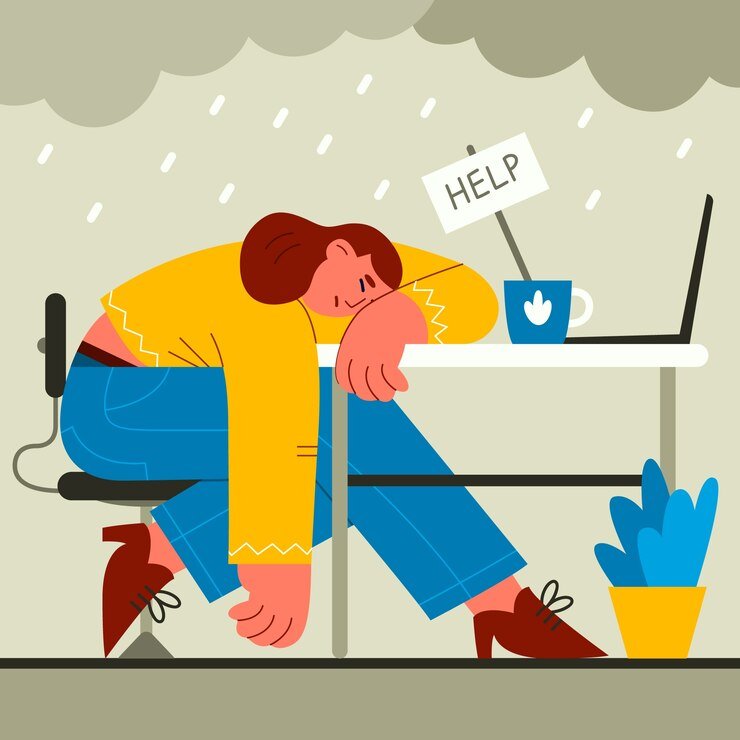
This module is specifically for those who have friends or family members with depression. It can be difficult, as an outsider, to understand what your loved one is going through when dealing with depression. If you want to help your friend or family member, your encouragement and support will play a very important role in the recovery of this person. As you work through this module, you should consider it a guideline on how you can support someone with depression whilst maintaining your own emotional stability.
FACT
As of March 2017 it was estimated that over three million people are diagnosed with depression every year in the UK.
Source: mytherapyapp.com
6.2 Understanding Depression in a Loved One

If you do not have depression, you cannot understand what your friend or family member is going through. Depression is a serious condition, and you should not underestimate the seriousness of this condition. This condition literally drains a person's motivation, energy, and optimism, and he/she cannot simply 'snap out of it'.
You might feel as if the individual is upset with you, or that they are being cold or aloof. Never take the symptoms of depression personally, as this condition makes it extremely difficult for one to connect with others on an emotional level, even those that they love. These people also might lash out in anger or say hurtful things. This is not your loved one, it is the depression, so do your best to not take it personally.
Because depression is difficult to understand, you might wonder how you should act around someone who has depression. We will discuss this further in the module, but you certainly do not want to become an enabler. It will not help the individual for you to start making excuses for them, covering up for them, or even lying for them. This could, in fact, keep them from getting the treatment they require. You also should not look at yourself as a hero who is going to 'fix' their depression. It is not your fault, it is not their fault, and you cannot rescue them from this condition. They must do it themselves.
6.3 Determining if Your Friend or Loved One is Depressed

If you have been following this course, you know that there are a number of 'warning signs' of depression, and you also know that individuals with depression do not often realise they have a condition at all. Thus, you must become the 'first line of defence' when it comes to depression, which is why it is important for you to recognise the signs of depression. It is likely that you will notice the signs of depression before the individual does, and your support can motivate the person to seek out treatment. You should be concerned if:
Your loved one does not seem to care anymore - they might have lost interest in their work, hobbies, sex, or other pleasurable activities. They often withdraw themselves from social activities and from relationships with friends or family.
Your loved one has changed their sleeping schedule - You also might notice that your depressed loved one sleeps more than usual or not enough. This might cause them to be forgetful, disorganised, or indecisive.
6.4 Talking to Your Loved One about Their Depression

Once you recognise the signs and believe that your loved one could be suffering from depression, you will need to take the initiative to discuss it with them. Remember, they might not recognise the signs themselves, so it is important that you bring it up at some point.
It can be difficult to know when to speak with your loved one about the possibility of depression. You might feel that you will insult them, that they will get angry, or that they will simply ignore you. You also might feel unsure about what you should ask or how to support them. If you are unsure of where to start, the following might help. Just remember that it is much more important to be a good listener and encouraging, rather than trying to 'fix' them or giving advice.
You should not expect a change to happen overnight, and you should keep in mind that those with depression tend to become isolated. Remain gentle with them, yet also be persistent. Starting the Conversation It can be difficult to get started when you want to approach someone you believe to be depressed, but here are a few ways to begin a conversation:
I have concerns about you. I have noticed that you have been acting differently lately, and I wonder how you are doing. You seem pretty down right now, and I wanted to check in with you. Once you have started the conversation, you will likely want to ask questions.
These usually include:
*When did these feelings start?
*Did something trigger these thoughts?
*How can I help?
*Do you want to get help?
Being supportive includes offering hope and encouragement. Here are some things that you can say to do this: I am here for you. You do not have to face this alone. I know this is difficult to understand, now, but these feelings will change for the better. I can't totally understand how you feel, but I do care about you.
When you want to give up, please tell yourself that you can do it for one more day, one more hour, or even another minute. You and your life are both important to me. tell me what support you need from me.You must also make sure that you are not saying anything to push them off track.
Avoid the following phrases:
*We all go through low times.
*This is all in your head.
*Look at the bright side.
*Why do you want to die? You have so much to live for.
*I can't do anything to help your situation.
*Try to snap out of it.
*What is wrong with you?
*Shouldn't you feel better at this point?
6.5 Focusing On Yourself
.jpg)
If you are reading this, the odds that you want to help your friend or family member get through their depression are good, but you also must make sure that you are caring for yourself.
There is a natural impulse that we have to fix those we love, but when it comes to depression, it is out of your control. What you can control, however, is how well you are caring for yourself. It is just as important to keep yourself well as it is for your loved one to get treatment. Before you can help someone else, you must make sure that your own happiness and health are strong.
If you cannot handle the pressure of trying to help someone else, you will not be effective. However, when you take care of your own needs, you prepare yourself to help them.
Tips for Caring for Yourself
Here are some ideas that will help you to care for yourself whilst simultaneously helping your loved one:
Speak Up - It is difficult to speak out when the one you are trying to help lets you down or disappoints you. However, it is extremely important to remain honest with them, and it will help the relationship over time. Talk about this with your depressed loved one but remain sensitive.
Set Boundaries - You can only do so much, and your own health could suffer if you allow yourself to be controlled by someone else's depression. You cannot care for someone without paying the price, which is your own psychological health. To avoid resentment and burnout, set limits on what you can and cannot do.
Stay on Track - When you are helping someone through their depression, it is normal to see some changes in your daily routine. However, you should make sure that you keep appointments, plan your own time, and stay on track with your own life. You are helping someone, not holding their hand through every life moment.
Get Support - If you turn to others for support, this does not mean that you are betraying your depressed loved one. It is okay if you join a support group, if you confide in a friend, or even if you speak to a counsellor or therapist. You do not have to share details, nor betray any confidence. Instead, focus on your own needs, feelings, and thoughts.
6.6 What Do You Do if Your Loved One Will Not Get Help

Thus far, it sounds like getting a depressed person help is fairly easy, but it is not uncommon for those with depression to simply refuse to get help. Here is what you can do if you find yourself in this situation:
Suggest a GP Visit - It could be less intimidating for someone to see their GP than a mental health professional. A regular visit with one's GP can help to eliminate any medical causes of depression, and the doctor can also give a professional opinion about the person's condition. Offer to Go With Them - You also might want to offer to go to see a therapist, doctor, or counsellor with your loved one. Having your support might allow them to feel more comfortable.
6.7 Supporting Their Treatment

One of the best things you can do to support your loved one's depression treatment is to give them unconditional support throughout the process. You must also be patient and compassionate, which can be difficult considering that you may be treated with hostility, negativity, and moodiness from the person with depression. Here are some ways that you can support them during your treatment: Offer Assistance When They are Willing to Accept It
Helping your loved one remember their doctor's appointments, ensuring they take their medications, and attending any talking therapy are all things that you can to do help them through their treatment.
Keep Your Expectations Realistic
You will likely find that it frustrating to watch a loved one go through this, especially if their progress is slow. Remember, do not expect that they will recover overnight. Instead, it can take many months, or sometimes years, before true treatment is achieved.
Encourage Health
You should also encourage a healthy lifestyle and activity level. Offer to help them with a healthy diet, offer to take a walk with them, take them to a funny movie, or invite them to dinner at a favourite restaurant. Be gentle, yet persistent.
Module Summary
Though you are under no obligation, if you have a loved one with depression, there are a number of things that you can do to help them through it. This module provided lot of information on how you can be a supportive part of your loved one's life.
First, the module gave more information about how you might recognise that a person has depression and how they might show that they are feeling this way. The module also addressed the issue of discussing the depression with your loved one. This included what you should say, what questions you should ask, and what topics of conversation should be avoided.
.svg)



