
8.1 Introduction

In the previous module, we discussed the traditional treatments for depression, including antidepressants, talking therapy, and exercise. In this module, we will step away from traditional treatments, and instead, focus on alternative treatments for depression.
Before one tries these alternative treatments, it is highly recommended that they research the treatment and speak with their GP. Also, it is important to understand that many of these treatments are not fully scientifically studied, as traditional treatments are. In other words, these treatments may not be recommended for everyone - GP consultation before use is advisable.
8.2 St. John's wort

If you are researching depression and come across just one alternative treatment, it is sure to be St. John's wort. This is a herbal supplement that people use for a number of different mental health issues including depression and anxiety. Hypericum perforatum, the scientific name for St. John's wort, contains two active ingredients - hypericin and hyperforin - with hypericin being the ingredient that focuses on depression.
Researchers believe that St. John's wort works similarly to antidepressants, as it helps to balance the chemicals in the brain. And, depending on the composition of the St. John's wort, it might take effect more quickly than an antidepressant. St. John's wort is licensed by the Medicines and Healthcare Products Regulatory Agency in the UK. However, its use is not recommended by the British National Formulary, nor by NICE, the National Institute for Health and Care Excellence. Additionally, in many areas, St. John's wort is not supported by NHS funding. However, you can buy this supplement over the counter, and it is available in many pharmacies and health food shops throughout the country.
St. John's wort might interfere with other medications, including birth control pills and blood thinners. Additionally, St. John's wort can cause very serious side effects when taking it with prescription antidepressants.
Activity
Estimated Time: 10 minutes
One of the most common alternative therapies for depression is the supplement, St. John's wort. In fact, most people who choose an alternative therapy will try this first. This activity will require you to do a bit of additional research about St. John's wort.
Find the answers to the following five questions:
What are the side effects of St. John's wort?
What forms is St. John's wort available in?
Who should NOT take St. John's wort?
Where can one find St. John's wort?
How long can one take St. John's wort?
FACT
Compared with placebo, in depression studies, people taking St. John's wort were 28% more likely to 'respond' to treatment.
Source: National Health Service
8.3 Acupuncture
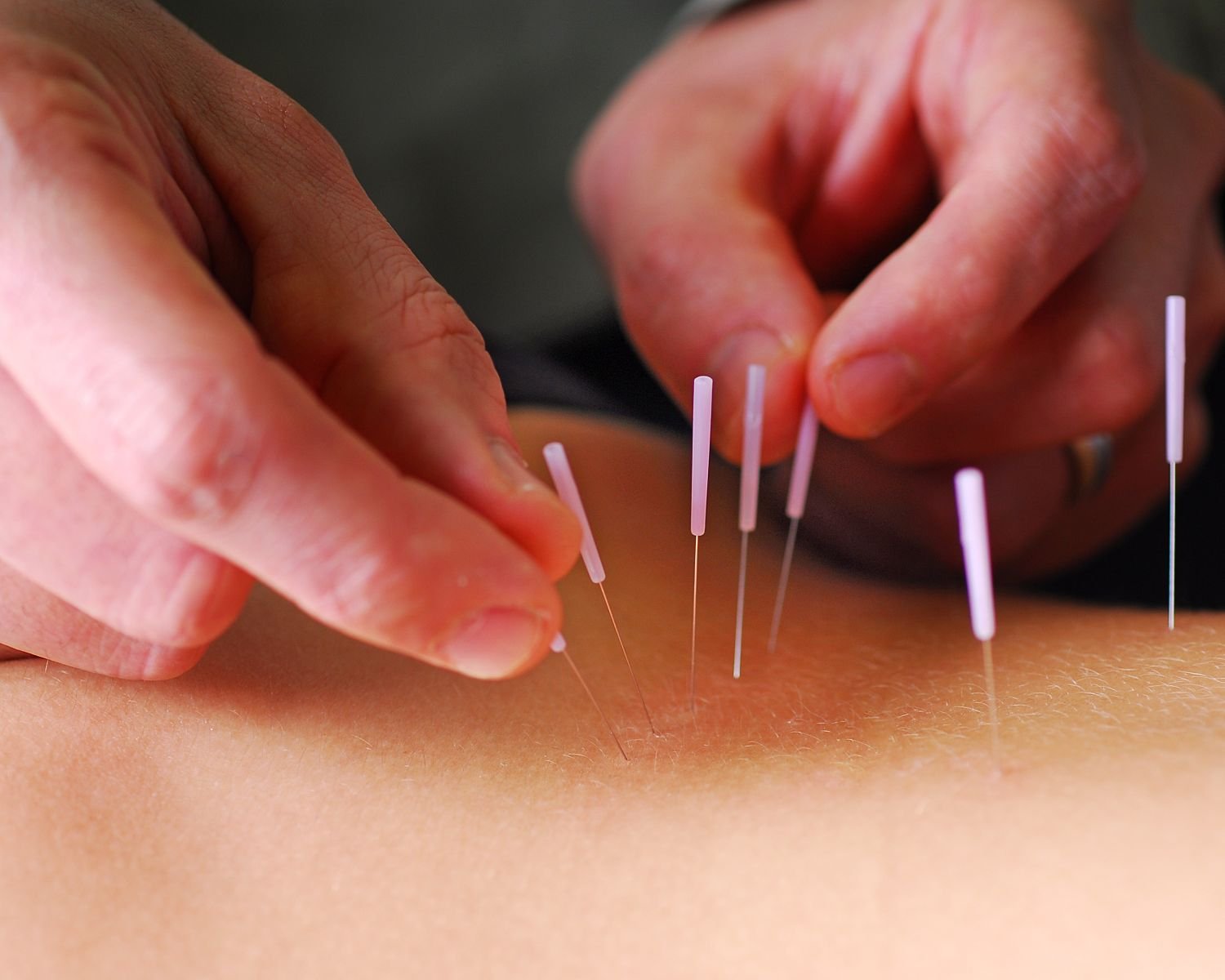
Another alternative therapy for depression is acupuncture. Most people know of acupuncture as an alternative treatment for other ailments, but there is evidence that it can help with depression, too. Most of the research on acupuncture for depression was done in China, which some people claim means that the information might not be as accurate as it could be, as some believe the results of these studies could be skewed to support the findings. However, in some Western studies, acupuncture did just as well to ease depression as antidepressants did.
On the flip side, there are also Western studies to show that acupuncture is no better than the placebo. What does this tell us? It tells us that the research is inconclusive, but for most people, acupuncture will not harm you, so if you want to give it a try, it's probably okay to do so. Practitioners claim that acupuncture works by stimulating the nervous system and releasing chemicals into the body.
These changes influence the homeostasis of the body, which promotes emotional and physical wellbeing. Acupuncture also increases the production of serotonin, which as you know if you have followed this course, is the chemical that makes us feel good. Additionally, acupuncture might promote the production of other 'feel good' chemicals, including noradrenaline, dopamine, and cortisol. One of the benefits of using acupuncture for depression is that it can be used as a support treatment, along with traditional treatments, such as antidepressants.
8.4 Meditation

Meditation is another alternative therapy that could help with depression. However, not just any type of meditation will do. The focus, in this case, is on at type of meditation known as 'mindful meditation', which focuses on keeping the person's awareness in the present.
When mindful meditation is used with cognitive behavioural therapy, called mindfulness-based cognitive therapy, or MBCT, research indicates it to be as effective as using antidepressants. When we become more aware of our present moment, we are able to enjoy the world around us much more easily. We are also more easily able to think of things in a fresh way. We can become more aware of our feelings and thoughts, and we can see how our problems are tangled together.
Over time, those who practice mindfulness notice that their thoughts do not control them, but they control their thoughts. In addition, this type of meditation will help people to notice any signs of anxiety and stress, which helps them to better understand these feelings. It is important to note that the National Institute for Health and Care Excellence recommends mindfulness as a way to prevent depression, too, especially in those who have had bouts of depression in the past.
8.5 Massage Therapy
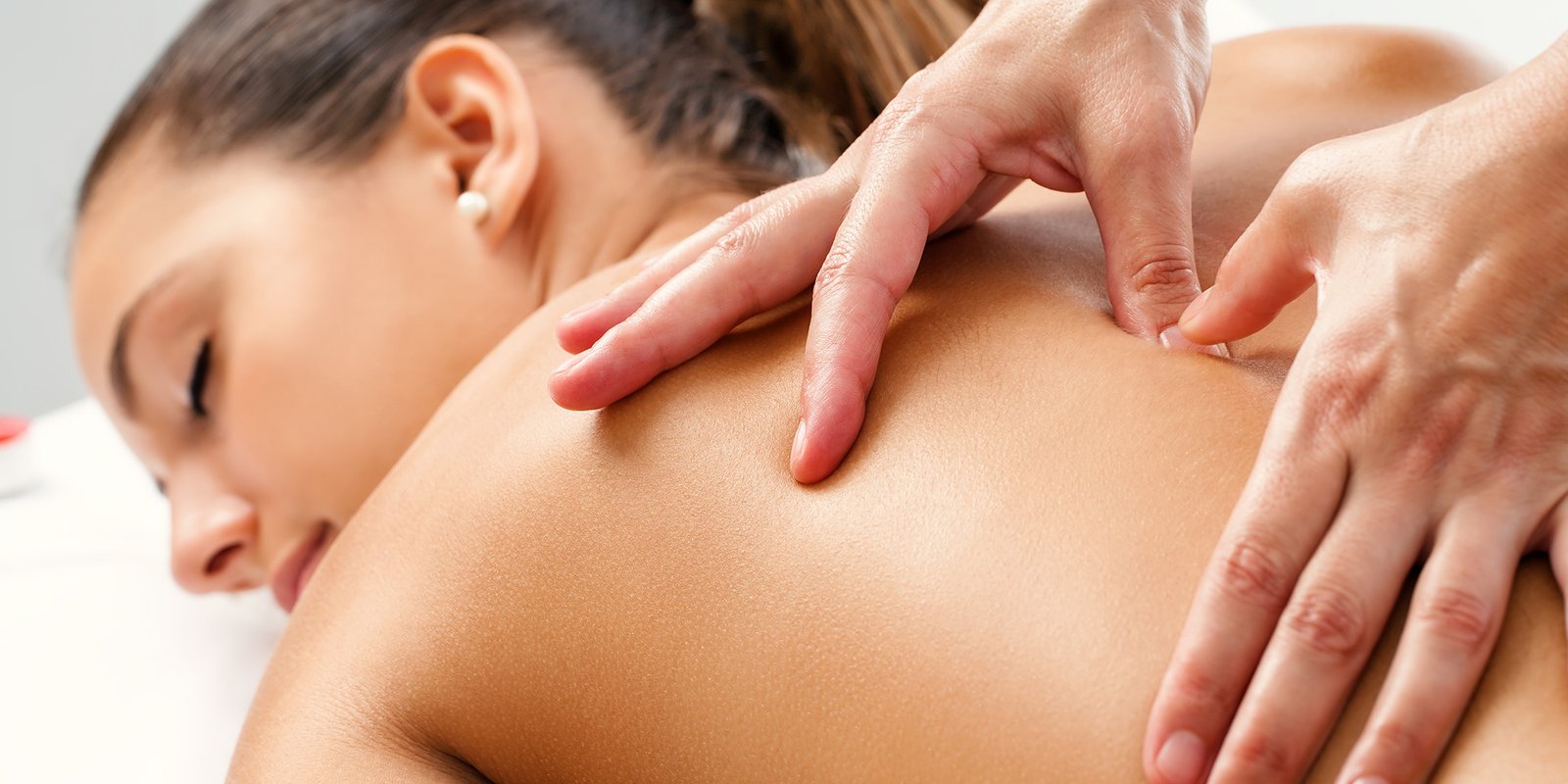
It is also possible that massage will help those with depression, and proponents of massage therapy believe that a massage for those with depression is equally as important as it is for those dealing with physical ailments; such as sports injuries, arthritis, or carpal tunnel syndrome.
Massage works by lowering the levels of cortisol in the body. Cortisol is a hormone in the body that causes stress along with other responses. Too much cortisol can cause people to feel low, because it also suppresses the body's production of serotonin. Massage can lower the amount of cortisol in the body by as much as 50 percent, according to several studies. Additionally, massage stimulates the body's production of dopamine, which further helps to stabilise the mood.
Activity
Estimated Time: 10 minutes
Massage therapy is an excellent way to treat depression thanks to the way the action of massage helps the body to lower cortisol, the stress hormone.
Explain how this process works, and explain how massage can help to control the hormones in the body. Make sure to also explain how much cortisol can be reduced and discuss the studies that are out there to back this up.
One particular study was published in the International Journal of Neuroscience. This study looked at a group of depressed individuals with injuries to their spinal cords. For five weeks, half of the participants were given 40-minute massage sessions twice a week, whilst the other half received 40- minutes of motion exercise twice a week. Both of the groups saw improvements in their physical abilities, but those who received the massages also reported feeling happier.
Module Summary
For those who do not wish to use traditional therapies for their depression, or for those who want to support their traditional therapies, there are alternative options. This module explained what the most common alternative therapies for depression are, and how one might use them to either treat their depression or to support other treatment methods. After completing this module, you should have a good understanding of St. John's wort, for instance, which is one of the most common alternative therapies for depression. You also found that St. John's wort is available over the counter in the UK.
.svg)



