
5.1 Introduction
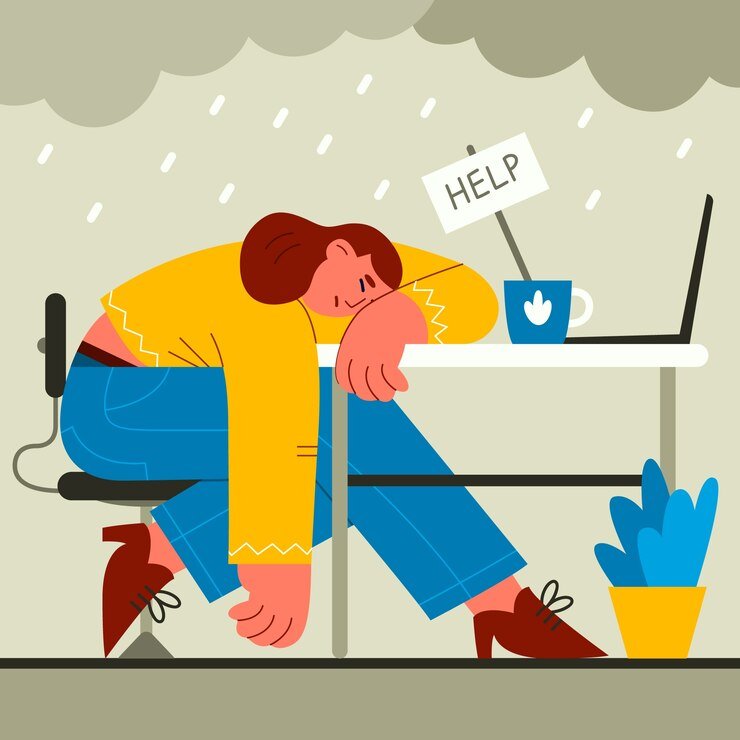
Thus far in this course, we have referred to depression as a single condition. However, there are a number of different types of depression, and this is what this particular module will cover. With more than 300 million people around the world suffering from depression of some type, it is extremely likely that you or someone you know has at least one type of the condition. Some people have more than one. This module will give you information about the different types of depression, how they differ from each other and how they are similar.
5.2 Major Depression/Clinical Depression
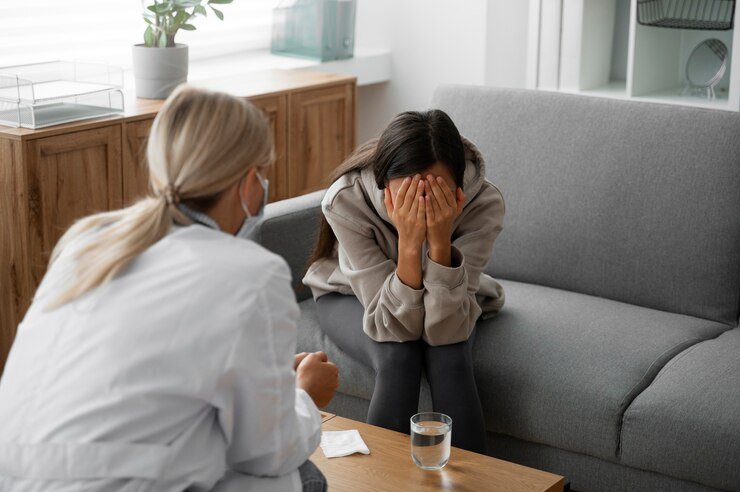
When most people think of depression, they think of major depression, also called clinical depression. This is also the type of depression that we have been discussing throughout this course. As you know, the symptoms of this type of depression are varied and complex, but most people feel hopeless, sad, and lose interest in things they once enjoyed. The symptoms might last for weeks or even months, and negatively influence one's work, family, and social life. The symptoms of depression can be divided into three types - psychological, physical, and social:
Psychological Symptoms
*Persistent low mood
*Feelings of helplessness and hopelessness
*Low self-esteem
*Feeling guilty, irritable, intolerant of others, or tearful
*Having low motivation
*Unable to make decisions
*Not enjoying life
*Feeling worried or anxious
*Having thoughts of harm or suicide
Physical Symptoms
*Speaking or moving more slowly than one used to
*Changes in weight or appetite
*Unexplained pains in the body
*Constipation
*Lack of energy and libido
*Changes in the menstrual cycle
*Difficulty in sleeping
Social Symptoms
*Difficulties in work or school
*Avoiding contact with others
*Disinterest in social activities
*Neglecting interests and hobbies
*Difficulties with family and home life
This type of depression usually comes on gradually, and it can be difficult for people to even notice that something is wrong. Many will attempt to cope with their symptoms without even understanding they have this condition. In this case, it is often a friend or family member that suggests the person might be ill.
Clinical depression is also described by the seriousness of the condition:
*Mild clinical depression has a small impact on a person's daily life, but it is possible to function.
*Moderate clinical depression has a significant impact on a person's daily life, and it is difficult to function in some tasks.
*Severe clinical depression has a major impact on a person's daily life, and it is almost impossible for these people to get through their daily tasks.
5.3 Bipolar Depression
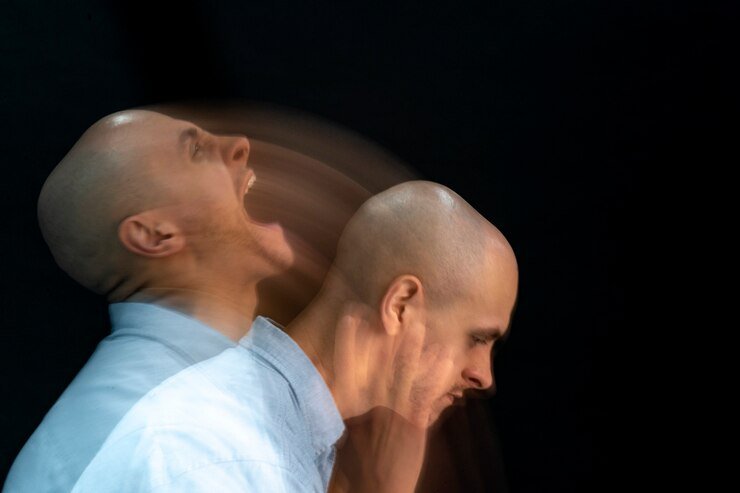
Bipolar depression is a phase of bipolar disorder, which is a psychological condition where a person cycles between depression and mania. Bipolar depression is difficult to diagnose, which means it is difficult to treat. Research shows that as many as 50 percent of people who have bipolar disorder are misdiagnosed with clinical depression due to this difficulty.
Bipolar depression appears very similar to major depression, and it does not have any distinct features. However, those with bipolar depression often complain of symptoms that do not often appear in those with other types of depression, including eating more, sleeping more, and a great reduction in their energy. Those with bipolar depression also complain of depression that gets worse during certain seasons and this type of depression often gets worse when taking antidepressants.
Since bipolar depression and clinical depression often look similar on the surface, the diagnosis is difficult, and psychiatrists often must determine if the person is also experiencing mania. Most people with bipolar disorder experience periods of mania, depression, and instability. Some might experience both depression and mania at the same time, which makes them feel simultaneously energized and sad. Another interesting point to make about bipolar depression is that there are often triggers and stressors that can bring on a depressive cycle.
For example, work-related stress, lack of sleep, or even a traumatic event might trigger this type of depression, or in some cases, a certain time of year, such as Christmas.
5.4 Seasonal Depression/Seasonal Affective Disorder
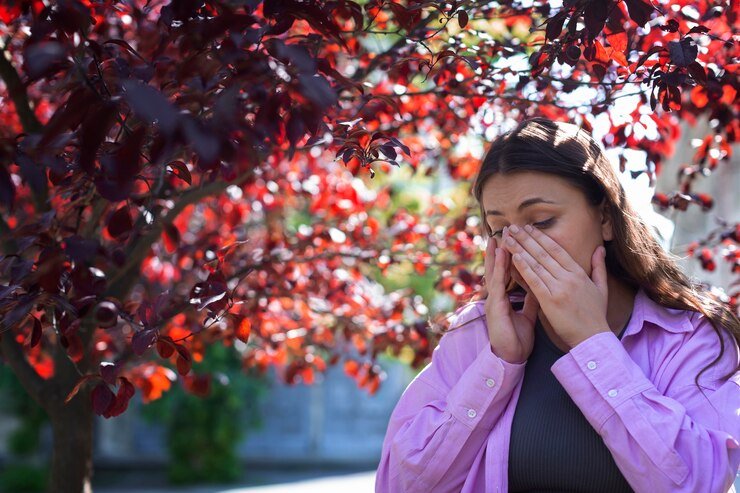
Seasonal affective disorder, or seasonal depression, is another type of depression that comes in a seasonal pattern. This type of depression is also called 'winter depression' because most of the symptoms appear more severe during the winter months. Generally, the symptoms of seasonal affective disorder begin in the autumn months, as the days begin to get shorter, and are more severe from December to February. In the spring and summer, the symptoms of seasonal depression improve and, in many cases, totally disappear.
The symptoms of seasonal depression include:
*Persistent low mood
*Loss of interest in daily activities
*Anger or irritability
*Feelings of worthlessness, despair, or guilt
*Lethargy and low energy
*Sleeping for longer than usual and difficulties waking up in the morning
*Gaining weight and craving carbohydrates
Those who believe that they might have seasonal depression should see their GP if they are struggling with the condition. The GP will assess the situation and likely ask questions about your lifestyle, mood, sleeping patterns, and eating habits. The exact cause of seasonal depression is not totally understood, but many believe that it has to do with a reduced exposure to the sun during the autumn and winter months. This lack of sunlight often causes a part of the brain, the hypothalamus, to work incorrectly. This ultimately affects the brain's production of melatonin.
This is a hormone that makes us feel sleepy, and in those with seasonal disorder, the body often produces more melatonin, which leads the individual to sleep more. Another issue that lack of sunlight could affect is the brain's production of serotonin. This hormone affects our appetites, moods, and sleep patterns, and if there is too little serotonin in our bodies, we often feel depressed. The lack of sunlight might also affect the circadian rhythm, or your body's internal clock. The body uses sunlight to time functions, such as when it is time to wake up. Since seasonal depression is usually more minor than clinical depression. Lifestyle changes, such as trying to get out in the sun more often, work well for those with this condition. Light therapy, or using a special lamp to simulate the sun, also works well. In some cases, however, talking therapy and antidepressants are the best forms of treatment.
FACT
About 20 percent of people in the UK experience mild symptoms of seasonal depression.
Source: The Guardian
5.5 Cyclothymia
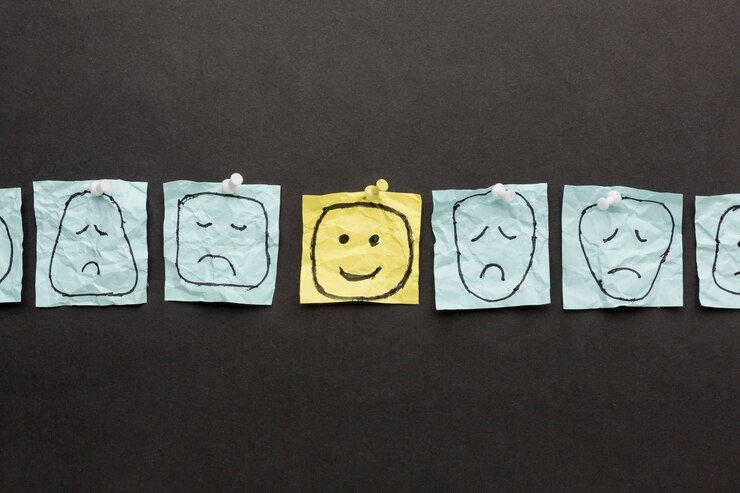
Another type of depression is called cyclothymia, or cyclothymic disorder. This is a rare mood disorder that is similar to bipolar disorder, but chronic and mild. Those who suffer from this condition experience highs and lows that come in a cycle which lasts for a minimum of two years or more. For example, a person with cyclothymia might have mild depression symptoms that last for three years, and then experience two years of hypomania, which is a mild form of the mania those with bipolar disorder experience.
We all have ups and downs, of course, so there is a question as to what distinguishes this condition from typical mood swings. This condition increases one's chances of developing other conditions, such as bipolar disorder, and this type of high or low will interfere with one's daily life functions. It might also affect relationships, so it is important to get a handle on the condition before it becomes disruptive.
Estimates show that only about 1 percent, at the most, of the population truly has cyclothymia, and it equally affects men and women. Usually the signs of this condition appear in adolescence, and those who have sleep disorders, ADHD, or abuse drugs or alcohol are more likely to develop it. The most common way to treat cyclothymia is medication and psychotherapy, and most people who have the condition will treat it throughout their lifetime. Common drug treatments include antipsychotics and anticonvulsants. Antidepressants, however, are not effective to treat cyclothymia. Cognitive behavioural therapy is also commonly used to treat this type of depression.
5.6 Postnatal Depression

After having a baby, it is possible that a woman could experience another type of depression, postnatal depression. In fact, about 10 percent of all women who give birth experience postnatal depression, and it can also affect partners and fathers, though it is far less common.
If a woman believes that she might have postnatal depression, she should seek assistance as soon as possible. With the right support, most women who develop this type of depression fully recover. Most women get anxious, tearful, or low the week following the birth of a baby. This is known as the 'baby blues', and it is totally normal. However, the 'baby blues' should not last more than two weeks following birth. Those women who do not see a decrease in their symptoms could have postnatal depression. This condition can start at any time within the first year following birth.
Signs that someone might have postnatal depression include:
*Persistent feelings of sadness
*Lack of enjoyment in life
*Feeling tired and lacking energy
*Difficulty sleeping at night
*Problems when attempting to bond with the baby
*Withdrawing from other people
*Difficulties with making decisions
*Thoughts of wanting to harm themselves or their baby
Women who believe they might have postnatal depression should speak with their health visitor or GP. Many health visitors are fully trained to recognise the symptoms of postnatal depression, and will likely offer assistance when they notice that something is wrong. Postnatal depression can be very distressing, frightening, and lonely for a woman, but there are effective treatments available.
These include:
Self-help - Some women can treat their postnatal depression on their own by speaking up about their feelings, making time for themselves to relax, resting when they have a chance, exercising regularly, and eating healthily.
Antidepressants - A doctor might also recommend antidepressants if the postnatal depression is severe or if other treatments do not help.
5.7 Psychotic Depression

One of the most severe forms of depression is psychotic depression. Those with this type of depression have severe major depression along with psychosis. There are a number of symptoms that appear with psychotic depression, including delusions and hallucinations. These tend to be negative, frightening, and self-blaming, and they often make a person feel extremely anxious. Those who have psychotic depression might also have an inability to sit still or relax, and will often fidget, rock back and forth and move their body when sitting or standing.
It is difficult to diagnose this type of depression, and the symptoms might be subtle. Additionally, many people are frightened or embarrassed by the delusions and hallucinations that they might experience. In addition, there is a danger that the condition could be misdiagnosed as many of the symptoms are similar to other conditions. For example, rocking back and forth might also indicate severe anxiety.
The treatment methods for psychotic depression are all executed under the care of a mental health specialist, and some of these people might require hospital treatment. The treatment generally focuses on the depression, rather than the psychosis. Those who are already taking medication for depression might also take other medications, such as mood stabilisers or anti-anxiety medications. Talking therapies might also be used. In some cases, electroconvulsive therapy is a treatment option, too.
Module Summary
This module focused on the different types of depression that we see in those who suffer from this condition. The vast majority of people who have depression have a type called 'major depression' or 'clinical depression', though there are certainly other types of depression in existence. We learned that bipolar depression is an aspect of another condition, bipolar disorder, and in general, a person who has this type of depression will exhibit similar symptoms as someone who has major depression. However, they will also experience mania.
This module also taught you about seasonal depression, which typically affects those in the autumn and winter. You learned that seasonal depression is usually mild, and many people choose to treat it themselves by making an effort to get outside and using special lights to simulate the sun. Cyclothymia, a chronic yet mild type of depression was also presented in this module, and you learned that this is a rare form of depression. The treatment for cyclothymia often includes life-long medication.
Finally, the course focused on psychotic depression, which is one of the most serious and severe types of depression. In this case, in addition to depression, a person also experiences hallucinations and delusions.
.svg)



