
7.1 Introduction

Vitamin B complex is a set of multiple B-vitamins that work together to improve nerve, brain and heart function and also boost energy levels. They play an important part in metabolism and help improve the health of red blood cells. Module 7 explains the functions of different B-vitamins and the symptoms of deficiency.
Vitamin B1 is called thiamine and is responsible for controlling the flow of electrolytes through the cells. It also helps convert carbohydrates into glucose. Vitamin B2 is an effective antioxidant and helps in reducing inflammation and maintaining eye health. Vitamin B3, known as niacin, helps eliminate toxins from the liver and is an important antioxidant.
Vitamin B5 (pantothenic acid) helps in the transmission of messages between organs and nerves, and also boosts production of haemoglobin. Vitamin B6 (pyridoxine) is important for maintaining optimal brain and nerve function. Vitamin B7 (biotin) is responsible for the breakdown of fatty acids and it supports the process of glycogenesis.
Minerals are inorganic elements that are essential for healthy bones, nerve function and optimal metabolism. They can be subdivided into macro minerals, which are required in larger quantities, and microminerals, which are often required in trace amounts. Over-processed foods tend to contain excessive levels of sodium and there are rising concerns over genetically modified foods with regard to farming practices. Imported foods are also a matter of concern in the UK as several types of foods have been found to be mineral-deβicient.
7.2 Vitamin B1 (Thiamine)
From module 6, we have learnt that thiamine is responsible for important metabolic functions and maintaining energy levels. In addition, Vitamin B1 also controls the βlow of electrolytes in and out of nerve and muscle cells. Thiamine is extremely important for making adenosine triphosphate (commonly known as ATP) which is located inside the mitochondria. ATP molecules are carriers of energy. Thiamine also helps in the conversion of carbohydrates into glucose - the main source of energy for the body. B1 is involved in specific catalyst reactions involving pyruvate dehydrogenase, which helps oxidise sugars that we consume.
Two primary metabolic processes involving thiamine function include transketolation and decarboxylation. Decarboxylation refers to the removal of carboxyl groups from organic compounds, which results in the release of carbon dioxide - this is extremely important for the removal of metabolic wastes. Transketolation refers to the transfer of the ketol group from one compound to another. Thiamine also helps with formation of myelin sheaths that protect nerves from damage and decay.
Vitamin B1 is also used in the manufacture of acetylcholine - an important neurotransmitter. Acetylcholine helps to transmit messages between muscles and the nerves. Since the heart is also a muscle, thiamine plays an important role in heart function. Vitamin B1 also helps in the secretion of the hydrochloric acid that helps kill bacteria in food. It also helps maintain muscle tone in the intestinal walls that play an important role in the absorption of nutrients.
Thiamine has been shown to have a positive effect on memory, learning and moods. This is why it is commonly used to treat depression and anxiety disorders. Adequate intake of vitamin B1 can also help stave off degenerative eye conditions including glaucoma and cataract. Deficiency of thiamine can result in a host of health effects including weight loss, fatigue, loss of appetite and Beriberi. Beriberi is a serious disease that involves swelling in the arms and legs, abnormal nerve function and heart failure (although it has been eradicated in the UK).
Vitamin B1 can also be βlushed away from the body due to the use of diuretics, as Vitamin B1 is water-soluble. Other side-effects of deficiency of B1 may include dizziness, insomnia, depression, fearfulness, agitation, sensitivity to pain, constipation, nausea and muscular atrophy (wasting away or decay of muscle tissue). In the UK, the primary cause of Vitamin B1 deficiency is alcoholism. Elderly people often experience Vitamin B1 deficiency because absorption processes are no longer as efficient as before.
Rich sources of thiamine include nuts, beans, yeast, liver, oats and barley. Additional food sources include enriched breads and pastas, as these are fortified with vitamin B1. This is because a lot of natural vitamins are lost during the refining process and are artificially infused back into food. Other foods such as Brussel sprouts, lettuce, spinach, lentils, beef, pork, macadamia nuts, mushrooms, peas, tomatoes and asparagus contain moderate levels of Thiamine. If you need to consume your daily requirement, you need to increase quantities of such foods in the diet.
Activity
Estimated time: 5 minutes
Developed countries like the UK see an abundance of fortified foods and supplements in the market.
Why do you think that deficiency conditions are still on the rise? Could it be attributed to poor eating habits?
7.3 Riboflavin (Vitamin B2)
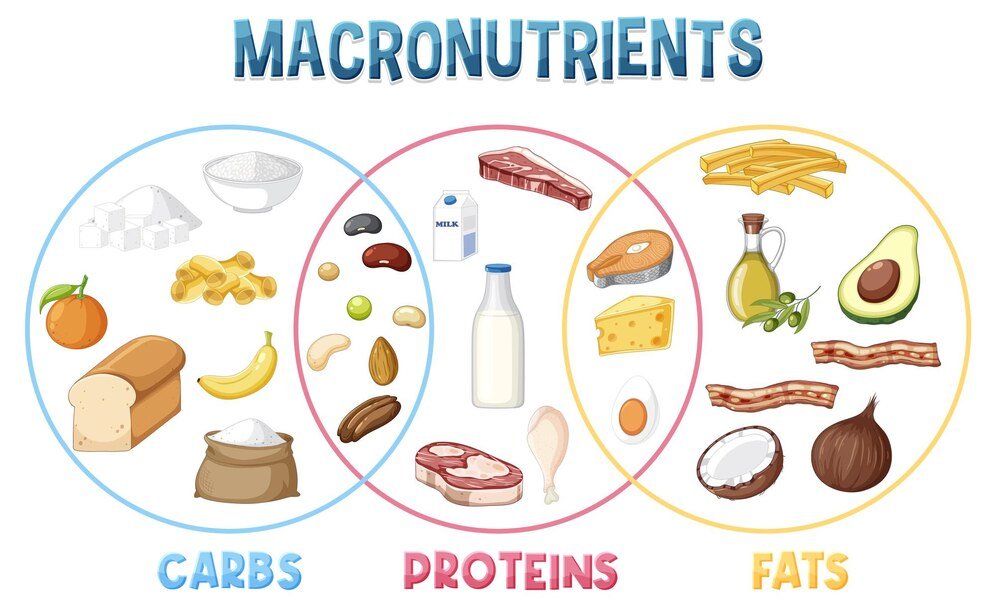
Vitamin B2 is commonly known as riboflavin and is used to maintain energy levels, boost metabolism and minimise damage from free radicals. It aids in the process of the breakdown of macronutrients, including carbohydrates, fats and proteins, and it improves the use of oxygen as it contributes to maintenance of red blood cells.
Vitamin B2 also helps in maintaining adequate levels of 'glutathione' - an antioxidant found in the eye. This is why consuming a diet rich in riboflavin can help reduce or even prevent the likelihood of developing cataracts. Riboflavin also helps to convert Vitamin B6 (pyridoxine) and B9 (folate) into forms that the body is able to use effectively.
Consumption of riboflavin can also help reduce levels of an amino acid known as homocysteine. Excessive levels of homocysteine can damage artery linings and force blood to clot more quickly than it actually should. Although deficiency of Vitamin B2 is uncommon in the UK (most foods are fortified with vitamin B complex), inadequate consumption or incorrect intake of nutrients may result in defciency symptoms. People who are on extreme diets may commonly experience deficiency symptoms.
Alcoholics, teenagers and elderly people tend to be at higher risk of B2 deficiency. These could include fatigue, lack of energy, anaemia, lip or mouth sores, sore throats, inβlamed mouth and tongue as well as increased anxiety and mood swings. Sources of Vitamin B2 include meat, legumes, beans, nuts (especially almonds), dairy products, eggs, cheese, spinach, kale, lamb, liver and natural yoghurt.
7.4 Niacin (Vitamin B3)

Vitamin B3 is commonly known as niacin and occurs in three forms: Nicotinic acid, inositol hexaniacinate and niacinamide. Nicotinic acid is produced by the body from a specialised amino acid called tryptophan. Niacin is known to help alleviate several health conditions and is an important component of the B- complex compounds.
In addition to breaking down macronutrients and releasing energy, niacin also regulates gland and liver function. It helps secrete certain hormones in the adrenal gland, and also plays a role in eliminating harmful toxins from the liver by acting as an antioxidant. Nicotinic acid is also known to reduce the levels of low-density cholesterol (LDL) and increases the levels of HDL (good cholesterol). The ability to inhibit formation of LDL also leads to regression of atherosclerosis, a condition that involves narrowing of the arterial walls and disruption of blood flow (usually leading to the onset of heart disease). In particular, vitamin B3 has been known to reduce symptoms of dyslipidemia in patients; this condition is caused due to increased levels of lipids in the blood plasma.
In addition, niacin is also known to help with maintaining healthy skin and brain function, and to reduce the likelihood of developing diabetes. Niacin also boosts the production of histamine, a drug known to dilate blood vessels and improve circulation. It is also believed to increase efficacy of certain oral drugs that control diabetes. Niacinamide is also used for topical application for severe cases of acne and also controls skin inflammation, redness, acne and flare-ups. Certain forms of niacinamide are also used for treating mental health conditions such as schizophrenia and hallucinations.
Niacin is also used for strengthening muscle tissue and reducing joint pain. In fact, research studies have indicated that niacin may improve swelling and increase joint flexibility, and help reduce dependence on oral medication. Niacin is also prescribed for patients who suffer from erectile dysfunction because it helps boost blood flow to genital areas.
Although niacin deficiency is rare in the UK, symptoms include:
-Fatigue
-Depression
-Sores
-Increased salivation and swelling of mucous membranes
-Poor digestion and circulation
-Low blood pressure, dizziness, light-headedness
Excessive doses of niacin may result in nausea, aggravation of ulcers, rashes and stomach upsets but this rare, due to the fact that niacin is a water-soluble vitamin and gets βlushed out of the body. Rich sources of niacin include chicken, turkey, liver, tuna, mushrooms, green peas, sunβlower seeds, yellow tomatoes, avocados and passionfruit.
7.5 Vitamin B5 (Pantothenic acid)

Vitamin B5, also known as pantothenic acid, is another important B vitamin that breaks down macronutrients to release energy, controls blood pressure, improves metabolism and prevents damage to nerves. In fact, neurotransmitters use the energy produced by Vitamin B5 and this is why they are important for nerve function.
Vitamin B5 helps in the synthesis of acetylcholine, an important chemical that boosts message transmission between the nerves and the organs. Our bodies use pantothenic acid to synthesise cholesterol and it regulates cholesterol levels in order to prevent dangerous plaque formation in arteries. It also helps improve red blood cell function by increasing the level of haemoglobin.
Adequate levels of vitamin B5 are also required for vitamin B2 (riboflavin) to do its job properly. It also enhances mental performance (like other B-vitamins) and helps in the synthesis of vitamin D and certain steroid hormones. Intake of vitamin D also helps in regulating the function of the adrenal gland and in the production of cortisol. It is also known to improve cell multiplication and thus aid in speeding up healing wounds. Pantothenic acid also helps in alleviating symptoms of rheumatoid arthritis by reducing swellings and pain. In addition, B5 also plays a crucial role in pigmentation and production of follicles, which in turn helps maintain healthy skin and hair.
Deficiency symptoms include burning feet, insomnia, fatigue, stomach upsets and pain, muscle cramps, irritability and depression. Rich sources of Vitamin B5 include oily fish (for example, trout), mushrooms, eggs, avocados, beef, turkey, chicken, lean pork, sweet potatoes, cauliβlower and corn. Excessive intake is rare and may result in diarrhoea, heartburn and water retention.
7.6 Vitamin B6 (Pyridoxine)
Vitamin B6 is also called pyridoxine and is responsible for a wide range of physiological and psychological functions. Pyridoxine has several derivatives including pyridoxal and pyridoxamine. These derivatives of B6 play important roles in several functions involving memory, movement, blood-flow and energy expenditure. It helps in the regulation of homocysteine (an amino acid formed from protein breakdown). Excess levels of homocysteine cause inflammation of blood vessel linings, leading to serious health consequences.
Studies have also shown that vitamin B6 is vital for brain function, especially cognitive functions. Vitamin B6 supplements are therefore often prescribed by medical practitioners for patients who experience symptoms of dementia and Alzheimer's. It also plays an important role in the production of hormones including serotonin and norepinephrine. Both hormones are responsible for mood, concentration and energy levels.
Children who suffer from ADHD are said to experience low serotonin levels and experts suggest that B6 may be very helpful in treating this condition. In addition, it is also used in making haemoglobin. Pyridoxine is also known to minimise the rate of macular degeneration. Since Vitamin B6 helps reduce inβlammation, it also helps to reduce pain from joints or arthritis.
Symptoms of vitamin B6 deβiciencies include:
-Skin redness and inflammation accompanied by itching
-Since B6 helps in nerve function, deficiency may result in twitches, seizures or convulsions
-Depression, confusion or mood swings
-Burning, tingling or numbness may develop in your hands and feet
Rich sources of vitamin B6 include pistachio nuts, tuna, beef, turkey, chick peas, sunβlower seeds, prunes, apricots, raisins, bananas and spinach.
7.7 Vitamin B7 (Biotin)
Vitamin B7 is also known as biotin or vitamin H, and it helps the body process proteins and metabolise glucose. Biotin cannot be synthesised by the human body and can only be supplied by the diet, as it can only be synthesised by microbes, including bacteria, algae, yeast and mould.
Biotin performs the following functions in the body:
-It is involved in the metabolism of fatty acids
-It is required for the metabolism of leucine (an amino acid which cannot be synthesised by the human body)
-Biotin is involved in the synthesis of glucose from amino acids and fats in a process known as glycogenesis
-Biotin also helps maintain optimal energy levels and boosts metabolism
-It helps maintain healthy skin, nails and hair
-Biotin is also important to nerve and psychological function
Deficiency symptoms could include poor quality of nails, hair loss, the presence of scaly red rashes around nose, eyes and genitals, loss of appetite, dry eyes, sore and dark colour of tongue, lethargy, tingling and numbness in hands and feet, hallucinations, depressions and insomnia. Biotin deficiency is rare in healthy individuals but may be more common in pregnant women, patients who need to be fed intravenously and people with liver dysfunction. Rich sources of biotin include yeast, liver, whole grains, peanuts, sardines, salmon, pork, raspberries, avocados, mushrooms and egg yolk.
7.8 Vitamin B9 (Folate)

Vitamin B9 (also known as folate) is an essential vitamin for synthesising nerve and brain function, as well as for copying and synthesising DNA. Folate is extremely important for the production of new cells and this is why pregnant women are usually prescribed folate. Folate is essential for the neural and limb development of the foetus, and deficiency could lead to conditions such as spina bifida (malformation of vertebral bones around the spinal cord) and anencephaly (absence of the scalp, brain and skull during foetal development).
Although Britons in general do experience deficiency in folate, inadequate consumption or absorption can lead to the following deficiency symptoms:
-Poor immunity characterised by frequent sickness
-Digestive problems such as bloating, constipation and diarrhoea
-Low energy levels often accompanied by megaloblastic anaemia
-Tender, swollen tongue and sores in the mouth
-Premature greying of hair and pale skin
-Hair, skin and nail pigmentation
Rich sources of Vitamin B9 include spinach, beef liver, black eyed peas, broccoli, Brussel sprouts. Although the terms 'folate' and folic acid' are used interchangeably, they are actually different. Folic acid is a synthetic form of Vitamin B9 and requires the presence of an enzyme called dihydrofolate reductase, while folate is naturally occurring and is easily absorbed by the body. Women who suffer from malabsorption of folic acid may experience toxicity symptoms which include sleeplessness, mood changes, difficulty in concentration and deficiency in certain other nutrients such as vitamin B12.
7.9 Vitamin B12
Vitamin B12 is actively involved in several crucial functions including metabolic functions, enzyme production, addressing of adrenal fatigue, hormonal balance and DNA synthesis. Vitamin B12 also helps in maintaining cognitive functions like memory, concentration and helps boost heart health. It also supports nerve function by helping to form myelin.
Deficiency of Vitamin B12 can result in the following symptoms:
-Chronic fatigue
-Dizziness
-Shortness of breath
-Poor memory and inability to concentrate
-Poor appetite and dental health
-Muscle aches and pains as well as joint pain
Rich food sources containing vitamin B12 include beef and chicken liver, lamb, trout, mackerel, herring, sardines, tuna and organic yoghurt. A number of cereals and dairy products are fortified with vitamin B12.
7.10 Minerals
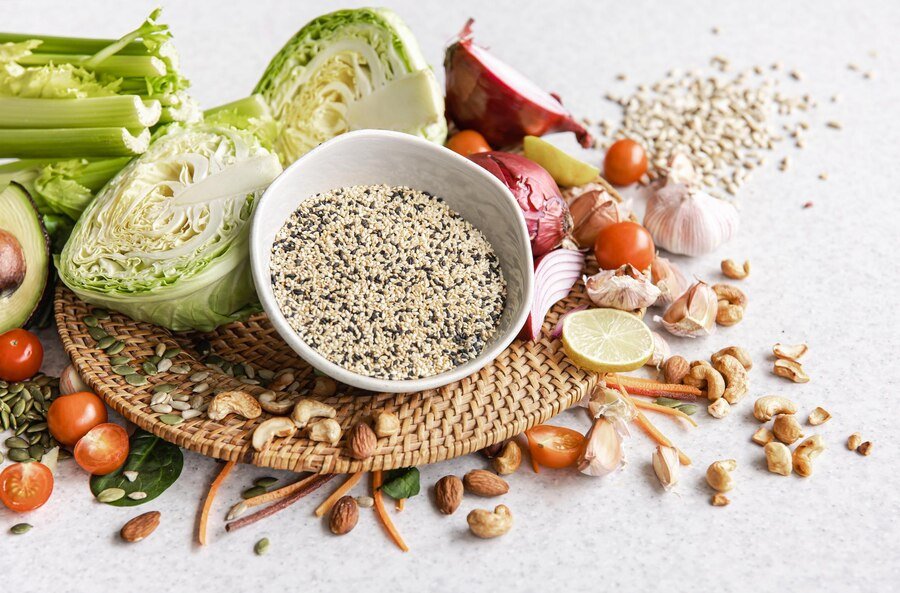
Minerals are inorganic in nature, and research shows that there are a total of 22 minerals which are considered essential for human body function. They account for approximately 4% of the human body weight. In addition, there are trace elements in the body called electrolytes, and although they occur in small amounts they are crucial to our general wellbeing.
In general, minerals have the following characteristics in common and perform certain functions:
-They usually exist as biological components in hormones, enzymes or in the skeleton
-They exist in the ionised form and retain their chemical characteristics
-They are excreted through urine and faeces but sometimes the amounts can build up
-They support the transfer of nutrients across the cell membrane
-They also promote growth, bone production and nerve function
-Some minerals compete with others for the same carrier
Minerals can be of two types: Macro minerals and trace minerals.
7.11 Macro Minerals

Macro minerals include those minerals that the body requires in large quantities. They are more easily absorbed from foods than synthetic supplements.
Calcium
Calcium is required for the building of bones as well as for regulating blood pressure and cholesterol. Calcium also plays an important role in production of milk during pregnancy. Common sources include dairy products, kale, collard, mustard greens and turnip greens. In addition to playing an important role in muscle contraction and cell signalling, it makes up approximately 2% of body weight and recommended dietary consumption should be between 1000-1200 mg daily.
Fact
According to the Express, UK, consuming excess doses of calcium often leads to adverse side-effects including nausea, diarrhoea and kidney stones.
Source: www.express.co.uk
Magnesium
Magnesium acts as a reservoir for blood plasma and is also largely found in bones and soft tissues. It is also known to activate natural enzyme systems. Other important functions include protein synthesis, energy production, nerve impulse transmission and muscle contraction. It prevents bone- related diseases like osteoporosis and reduces serum lipid profiles. Rich sources of magnesium include spinach, black eye beans, pumpkin seeds and almonds.
Phosphorus
Second only to calcium in abundance, most phosphorous is found in bones and a smaller portion in soft tissues. The primary functions of phosphorous include production of proteins, energy production and storage. In addition, it activates hormones and enzymes, maintains pH balance and supports transmission of genetic material. Food sources that are rich in phosphorous include milk and dairy products, nuts, beans, lentils, whole grains and meat. The average intake of phosphorous in the UK varies between 1.2 and 1.3g per day. The recommended
nutritional intake is a minimum of 400mg per day.
Sulphur
Sulphur enters the human body in the form of amino acids (specifically in methionine and cysteine) that are broken down from ingested protein. It is also present in vitamins thiamine (B1) and biotin (B7). Sulphur is important for removal of toxins from the liver and maintenance of pH balance. Most proteins contain more than 1% sulphur so if you eat a diet rich in proteins, you can be sure of getting adequate sulphur.
Potassium
Potassium works along with sodium for the βlow of electrolytes and maintenance of fluid balance in cells. In addition, it is responsible for healthy bones, nerve function and muscle contraction. Rich sources of potassium include bananas, sweet potatoes, avocados, pomegranate, spinach and coconut water.
Activity
Estimated time: 5-10 minutes
What do you think is the difference between consuming vitamins and minerals through supplements rather than through natural foods?
Who should ideally consume supplements?
7.12 Microminerals
Microminerals are required in minute quantities, which is why they are known as trace minerals.
Iron
Iron is primarily used for the transportation of oxygen in red blood cells and is crucial for a number of biological processes that occur on the molecular level. The remainder of iron is used in enzymes or stored in the body. Iron is required only in small amounts and an excess can prove to be toxic. Iron content may typically reduce during menstruation for women or due to a bleeding injury. Food sources of iron include fish, meat, poultry, green vegetables, apples, beetroots and legumes. The normal recommended intake level for men is 8.7 mg/day and for women, it is 14.8 mg/day.
Fact
A study report published by the NHS showed that people who consumed adequate levels of iron were less likely to develop Alzheimer's in later age.
Source: www.nhs.uk
Zinc
Zinc is another extremely important trace mineral and benefits the body in several different ways. This includes production of hormones, facilitation of digestion, growth and reducing inflammation. Recent research suggests that zinc may be an important mineral that helps fight cancer and lowers the risk of heart disease.
Deficiency in zinc may trigger several symptoms, including weight gain or loss, changes in perception of smell and taste, hair loss, food cravings, infertility and fatigue. In the UK, average daily intake of zinc is roughly 9.5mg. Rich food sources containing zinc include lamb, beef, pumpkin seeds, chick peas, cocoa powder, cashew nuts, mushrooms and yoghurt.
Copper
Copper is used to make red blood cells, collagen and connective tissue. In addition to optimising nerve and brain function, it also helps absorb iron. It is also needed to carry out enzyme reactions as well as to prevent joint and muscle pain. Copper cannot be manufactured by the body and must be consumed through food. Copper deficiency can impact the body in several ways. Signs of copper deficiency include
digestive disorders (Crohn's disease), fatigue, osteoporosis, arthritis, anaemia, low body temperature and paleness. Copper-rich food sources include almonds, pumpkin seeds, lentils, dried apricots, asparagus and mushrooms.
Selenium
Selenium plays a crucial role in healthy metabolism, neutralises free radicals, reduces inflammation and boosts fertility. In addition, it also improves thyroid function and is believed to increase longevity. Selenium-rich food sources include eggs, liver, tuna, cod, sunβlower seeds and Brazil nuts. Deficiency symptoms could include fatigue, discolouration of nails, hair loss, problems with infertility and hypothyroidism.
Iodine
Iodine is converted to iodide, which is a less toxic form of iodine. It is vital for maintaining thyroid function, inducing apoptosis (self-destruction of dangerous cells), thus reducing cancer. It also promotes growth and development in children. Signs of iodine deficiency include difficulty in producing saliva, dry skin, swollen salivary glands, poor concentration, muscle weakness and pain. Iodine-rich foods include wild fish, sea vegetables, cranberries, natural yoghurt, strawberries, raw cheese and organic potatoes.
Chromium
Chromium helps control blood sugar and cholesterol levels, as well as helping to protect DNA from damage. In addition, it helps prevent cravings and binge-eating, promotes healthy skin and boosts metabolism, as well as staving off cognitive decline. Chromium deβiciency symptoms include weak bones, fatigue, higher risk for heart disease due to higher cholesterol levels, and changes in weight and appetite.
Fluoride
The most important function of fluoride is the development of carrier-resistant dental enamel. Excessive fluoride is toxic for health and is known to cause mottling of enamel. Top sources of fluoride include drinking water, black tea, wine, shrimp and seedless grapes.
Sodium and chloride
These two trace elements are usually considered together because they occur alongside each other in foods. Sodium plays a crucial role in maintaining fluid balance in the cells (hence it is usually referred to as an electrolyte). Sodium is also known to maintain pH balance, promote the optimal gradient for fluid movement across cell membranes. Chloride is essential for the transportation of carbon dioxide and the formation of hydrochloric acid in the stomach. Top food sources containing sodium include table salt, bacon, beef, soy sauce and olives.
Vitamins aid in Mineral Absorption
Many vitamins work together to promote improved absorption of minerals.
For example
Vitamin C helps us absorb iron, vitamin D and vitamin K helps the body absorb calcium; vitamin D also helps break down phosphorous.
MODULE SUMMARY
Vitamins and minerals are crucial for several important biological functions in the human body. Vitamins help catalyse metabolic reactions, while minerals are involved in production and maintenance of healthy bones, nerve function and metabolism. Some vitamins are very important for the absorption of minerals. Vitamin B-complex consists of B1, B2, B3, B5, B6, B7, B9 and B12. The B-vitamins work together to
boost the transfer of oxygen as well as nerve and brain function by activating hormones.
Minerals are often excreted through urine, sweat and faeces, and need to be replenished on a daily basis. However, over-consumption may lead to toxicity and adverse side-effects. Important minerals include calcium, phosphorous, magnesium, potassium, sulphur, iron, zinc and
sodium. Minerals in general are required for healthy bones, nerve function, higher energy levels and prevention of heart disease.
Research increasingly supports the view that adequate intake of minerals can help reduce cancer risks. However, all the minerals, including those required in trace amounts, are important for the body. Artiβicial and over-processed foods tend to contain fewer amounts of vitamins and minerals.
.svg)



