6.1 Introduction
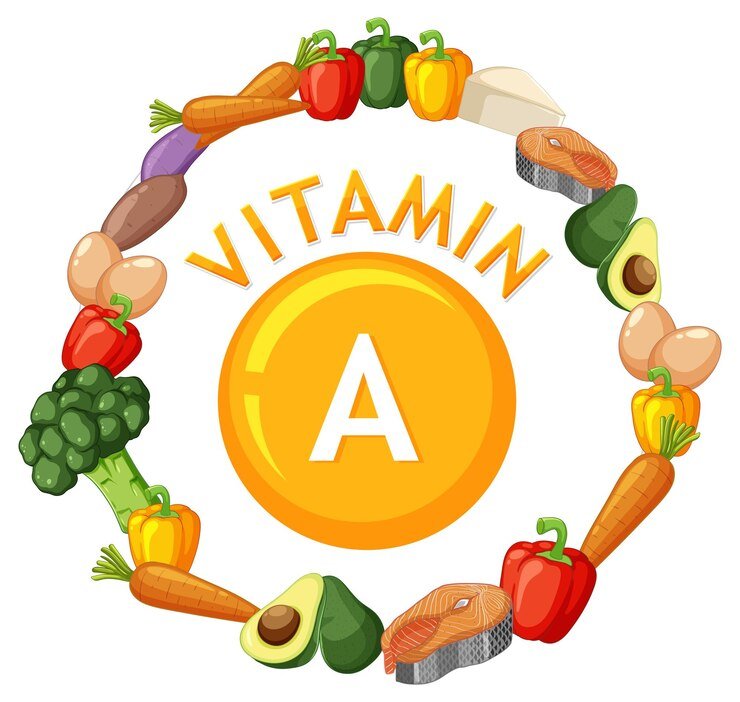
Vitamin A is fat-soluble and is transported by a double molecule consisting of pre-albumin and retinol binding protein. Since the carrier is a large molecule, it is unable to pass out of the body through excretion and hence we do not lose much Vitamin A. Vitamin A, D, E and K are classified as fat-soluble vitamins.
Vitamin A helps with a number of important biological functions including vision, immunity building and healthy skin and hair. It is also a potent antioxidant. Excess vitamin A intake can lead to a number of side-effects that arise out of a condition known as hypervitaminosis A. Vitamin D can be synthesised in the body through sunlight and is also present in certain foods.
However, the amount of vitamin D synthesis varies across geographical locations and also depends on type of skin. Darker skin tones are usually associated with lower levels of vitamin D synthesis. Vitamin E plays an important role as an antioxidant and works in collaboration with vitamin C to boost the immune function in the body. It is also important for the vascular integrity of brain cells, and inadequacies in vitamin E levels could result in cognitive dysfunction.
Vitamin K is a crucial vitamin that is synthesised by bacteria in the intestine and can also be assimilated from certain foods. It is responsible for important functions including blood coagulation and bone health.
6.2 Vitamin A

Vitamin A helps protect us against UV rays and delays the signs of ageing. Retinol and beta-carotenoid molecules help neutralise free radicals (the effect of antioxidants is explained below), reduce the sensitivity of the skin to the sun and provide natural protection against reddening and pigmentation. While retinal, retinol and retinoic acid are important for cell differentiation and growth, they also encourage the formation of fibroblasts.
Fibroblasts are cells that support tissues that maintain skin texture and keep it firm and healthy. Healthy skin surface in turn acts as a defence against microbes and germs.
Effects of Vitamin A Deficiency
Hair and skin problems - including dry, itchy skin, acne and persistent skin infections and sore eyelids. Problems could also include dry lips, thickened tongue and keratinising effect on skin. Lack of vitamin A could also lead to dandruff (dry scalp) and dry, brittle fingernails. Eye problems - Xerophthalmia (dry, thickened conjunctiva and cornea), night-blindness and hazy vision, dry eye (lack of tear production).
Lowered immunity - leaving the individual vulnerable to infections. People suffering from vitamin A deficiency are also prone to bladder infections, burning sensation during urination and a frequent urge to urinate even when the bladder is empty of urine.
Oral thrush - (whitish plaque on the tongue) and painful ulcers may develop.
Low sperm production - males with a deficiency of vitamin A may experience low sperm production while pregnant females may experience an increased risk of miscarriage. Vitamin A is especially important for women in their last trimester because it helps with postpartum tissue repair after delivery. Vitamin A is also crucial for building the baby's heart and other organs.
Effects of Excessive Intake of Vitamin A
Excessive intake of vitamin A can be toxic to the body and is known as Hypervitaminosis A. This condition may be diagnosed as either acute or chronic and we may consume excessive quantities either through diet, supplements or medication. Symptoms may include sleeplessness, abdominal pain, dizziness, irritability, joint pain and loss of appetite.
Fact
According to the Food Survey, the UK government recommends the following nutritional intake of vitamin A: Children between the age of 1 to 6 400μg, children between the age of 7 to 10 500 μg, children between the ages of 11 to 18 700 μg.
Source: www.food.gov.uk
Activity
Estimated time: 5-10 minutes
What is the best way to include vitamin D and A in our diets?
Do you think it is always necessary for individuals to use synthetic supplements?
What is the advantage of natural food sources over artiβicial supplements?
6.5 Vitamin E
Vitamin E (also called tocopherol) is a potential antioxidant due to its ring structure with hydroxyl group (-OH) that makes it an effective hydrogen donors. Since vitamin E is fat soluble, its antioxidant properties are expressed best in lipid environments. Once it donates its hydrogen, vitamin E molecules become oxidised themselves, thus preventing oxidation of metabolically important molecules like polyunsaturated fats. This is an extremely important property as free radicals are known to attack double bonds (present in monounsaturated and polyunsaturated fats) and trigger chain reactions in the body.
Damage to fatty acids results in the production of lipid peroxides that damages functions of cell membranes. This in turn may causeserious damage to metabolic pathways in the body. The most commonly used form of vitamin E is alpha tocopherol (although vitamin E actually exists in 8 isomeric forms). It is important to note that while animal foods only provide the body with alpha tocopherol, plant-based foods (like vegetable oils) also provide other forms of vitamin E. Animal foods in general do not provide high doses of vitamin E.
Vitamin E works along with vitamin C and selenium (selenium is an essential dietary mineral) in its antioxidant role. Vitamin C plays a crucial role in the regeneration of vitamin E. In effect, vitamin E is essential for building cell function, stability and integrity. Since cell function is closely related to its structure, vitamin E is extremely important for maintaining cell structure. This is the reason that Vitamin E is considered essential for prevention of degenerative disease. Vitamin E is also necessary for vascular integrity in brain cells, which is why a deficiency could result in cognitive dysfunction.
6.6 Vitamin K
Vitamin K (the class of Vitamin K chemicals is known as 'naphthoquinones') is also fat-soluble and is known for its ability to change oxidised forms of vitamins to their reduced form. This cycle is known as 'gamma-carboxylation' of acid residues, the products are called 'gamma- carboxyl glutamates' or 'Gla-proteins'). The oxidised form of the vitamins is known as quinone while the reduced form is called quinol. Once the gamma-carboxylation cycle is complete, the vitamin can be oxidised back to the quinone form and reused for functions.
Vitamin K consists of several forms including K, K1, K2 and K3 out of which Vitamin K is the naturally occurring form. It is the main source of vitamin K that can be obtained through plant-based foods. One of the most important functions of Vitamin K is the clotting of blood in order to heal injuries.
It is important for blood to βlow continuously through miles of blood vessels, and yet possess the capability to form a solid clot at the site of a breach in the vascular system. If the blood clotting function fails, we can actually bleed to death because blood will continue to βlow out of the wound. On the other hand, if blood clots too quickly, there could be resultant blood vessel blockage leading to organ damage. The delicate balance between overly rapid and overly slow blood clotting is controlled by Vitamin K and is known as 'coagulation cascade'. Vitamin K activates important Gla- proteins that function as pro-coagulants in the blood.
By assisting in the transport of calcium, vitamin K is also thought to help with improvement of bone health. People with adequate levels of vitamin K usually have higher bone densities; those who experience deficiency may suffer from increased risk of osteoporosis. In fact, even with adequate intake of vitamin D and calcium, optimal bone health may not be achieved unless there are adequate levels of vitamin K. Another unique factor about vitamin K is that it is the only vitamin that is produced within the human body in the intestine; it is produced by bacteria living in the stomach. The bacteria are able to produce 75% of the vitamin K required for daily intake.
In general, vitamin K1 (phylloquinone) and K2 (menaquinone) have a molecular structure similar to cholesterol. Vitamin K1 is found in dark green and leafy vegetables like spinach, and in soya bean oil. Vitamin K2 is an active participant in maintaining bone health, and research suggests that K1 may be converted to K2 in tissues. Sometimes, excessive intake of substances like warfarin (a compound used to treat blood clots) can interfere with the natural function of vitamin K.
Recent research studies also suggest that vitamin K may inhibit bone resorption by inducing apoptosis (the process of cell repair, death and regeneration) in osteoclasts (osteoclasts help absorb bone tissue during cell growth and repair). Bone resorption refers to the process by which bones are broken down by osteoclasts and the bone βluid is released into blood. Excessive bone resorption leads to weak bones and increased risk of fractures.
One of the most crucial functions of vitamin K is to activate the important Gla-proteins which are now known to exist in several tissues in the human body.
For example
Vitamin K activates the osteocalcin, an important Gla-protein, known to exist in bone and dentin. The ability of vitamin K in strengthening blood clotting and coagulation has led to important possibilities in the βield of medical research. Scientists are now trying to investigate if vitamin K is able to avert the likelihood of strokes or heart disease (due to its ability to manage blood clots).
Improved heart health: Vitamin K is also known to prevent calcification of arteries by carrying away calcium from artery sites before it forms hard, dangerous plaque that prevents blood flow to the heart. It also protects blood vessels against inflammation. Reduction of pre-menstrual cramps and excessive bleeding: Vitamin K is known for its ability to clot blood and this helps reduce bleeding during menstrual cycles. Excessive bleeding often leads to increased pain.
Recent studies strongly indicate that vitamin K may be instrumental in reducing the risks of certain cancers including colon, prostrate, stomach, oral and nasal cancers. Vitamin K is also known to participate in what is called 'sphingolipid metabolism'. Sphingolipids are special types of lipids found in the brain. Sphingolipids are biologically active molecules that are responsible for a range of important cellular functions.
Inadequate intake of vitamin K from nutritious food and internal medical conditions (like a leaky gut or irritable bowel syndrome) can lead to deficiency of vitamin K (in general, Vitamin K deficiency is rare). Vitamin K is known to work in conjunction with vitamin D, calcium and magnesium. Excessive supplementation of vitamin E may interfere with absorption of vitamin K.
Signs of vitamin K deficiency may include:
-Osteopenia (a condition that involves weak bones and is usually a precursor to osteoporosis)
-Defective blood clotting, increased bleeding, intestinal haemorrhage
-Oozing in the gums and nose
-Increased risk of heart disease and cancer
-Tooth decay
Common sources of vitamin K include dandelion greens, Brussel sprouts, turnip greens, cabbage, broccoli, kale and spinach. There are no known effects for toxicity or overdosing of vitamin K. It is sold over the counter in a synthetic form called K3 which is a water-soluble form of vitamin K.
6.7 Fat-Soluble Vitamins versus Water-Soluble Vitamins

Fat-soluble vitamins are absorbed more slowly compared to water- soluble vitamins and are less prone to loss. Water-soluble vitamins may be taken daily (according to recommended dosages) while fat-soluble vitamins may exceed toxic limits easily (due to the fact they are not eliminated from the body as easily as the water-soluble ones). It is very important to consume healthy fats in order to promote absorption of fat-soluble vitamins. The difference is that excess water-soluble vitamins are excreted instead of being stored.
Fact
According to a news report in the BBC, there has been a substantial rise in consumption - about 183% - of vitamin K supplements in the UK. Laura Jones, a Global Food Science Analyst at Mintel suggests that vitamin K2 is now known to offer a broader set of benefits compared to K1. The European Food Safety Authority has also supported health claims for vitamin K.
Source: www.bbc.com
6.8 Vitamin C (Water-soluble)
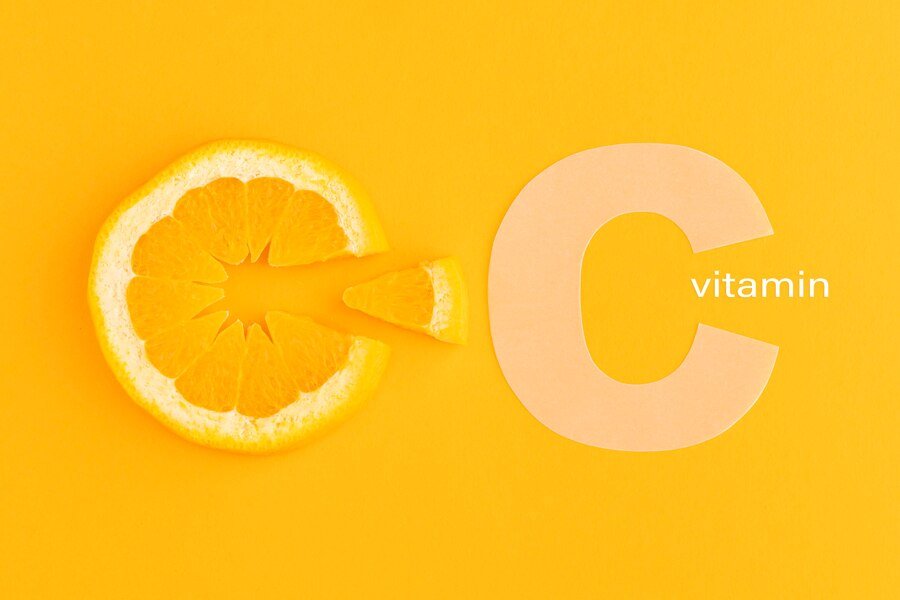
Vitamin C (also known as ascorbate or ascorbic acid) is also an excellent hydrogen donor (like vitamin E) and due to its ability to become oxidised, acts as an effective antioxidant. Once Vitamin C has reacted with free radicals, it is necessary to regenerate it and this function is
performed by a number of reductase enzymes. Vitamin C is also crucial for a number of other hydroxylation reactions (the process of introducing a hydroxyl group -OH into an organic compound). In fact, vitamin C acts as an electron donor for a number of enzymes.
Some examples of hydroxyl reactions in the body facilitated by vitamin C include the following:
Collagen synthesis - Nearly 25%-35% of the total protein composition in the body comprises collagen. Collagen is found in skin, ligaments, tendons, discs between the vertebrae, small intestine, cartilage and bone. Improved collagen synthesis also helps improve skin texture and promotes the formation of fibroblasts that help speed up healing of wounds. In addition to collagen synthesis, vitamin C also helps in collagen cross-linking that helps in the formation of a dense matrix that optimises bone strength.
The synthesis of carnitine - which is needed for release of energy from fatty acids from muscle tissue. Synthesis of noradrenaline (noradrenaline functions as a neurotransmitter) - Vitamin C helps improve the electrical flow of messages between neurons and the brain cells. The body's response to stimulus and abilities to think and remember depend on the nerve function. Synthesis of brain peptides - including releasing of a number of hormones from the brain Vitamin C is known to promote the metabolism of iron - and improves iron absorption from food by reducing ferric ions to ferrous ions.
Synthesis of base membrane - This is a thin, sticky layer of base membrane cells that helps support epithelial cell layers. This type of tissue helps line the surfaces and cavities in the body and also acts a barrier that prevents cancel cells from penetrating deeper into tissues. Adequate intake of vitamin C helps maintain the gel-like state of this membrane, which in turn reduces the likelihood of developing tumours. Vitamin C is also known to deposit other base membrane proteins between the layers of the dermis and the epidermis.
Vitamin C also helps in the formation of osteoblasts - cells that help incorporate calcium into bone tissue. Furthermore, vitamin C also inhibits the formation of osteoclasts, cells that leach calcium from bones. Vitamin C also helps fight oxidative stress that occurs in the process of assimilation of calcium.
Improved immunity function - Vitamin C helps in the formation of 'interferons'. These are proteins released by cells upon the entrance of a virus and they inhibit the replication of the virus in the body. They also assist in the formation of 'phagocytes' which are cells that ingest foreign bodies like dead cells, carbon, dust and bacteria. They also support the production of cytokines, a type of small protein that improves cell signalling. Cell signalling is extremely important for moving cells to sites of infection or trauma.
Deficiency of vitamin C can lead to the following symptoms:
-Easy bruising, swollen and bleeding gums
-Dry, red spots on the skin; dry, splitting hair
-Lowered immunity function
-Possible weight gain due to lower metabolism
-High blood pressure, stroke
-Certain cancers
-Gall bladder disease
Healthy sources of vitamin C include guava, kiwi fruit, red and green peppers, black currants, oranges, strawberries, papaya, broccoli, parsley, grapefruit and mango. Steaming vegetables helps preserve vitamins better than boiling them.
Activity
Estimated time: 5 minutes
What do you think are the best ways to cook vegetables without losing the vitamin content?
Do you think people in general need to change the way they cook in addition to choosing the right foods for consumption?
6.9 Vitamin B1/Thiamine (Water-soluble)

Beriberi - a deficiency disease caused due to lack of vitamin B1 was known about 4,000 years back. Thiamine is actually known as a coenzyme (coenzymes are defined as non-protein compounds that help optimal functioning of an enzyme). Its main function is to metabolise food for energy purposes and to maintain nerve and heart function. One of the primary functions of thiamine is to convert food
nutrients into energy in the form of ATP (adenosine triphosphate). ATP is used as a common unit to quantify inter-cellular energy transfer).
The main sites for thiamine storage include muscle tissue, liver, brain, kidney and heart. Thiamine is required to release energy from molecules of carbohydrates and proteins and also for interconversions between chains containing different carbon atoms. Being a water-soluble vitamin, thiamine is found in nearly every cell of the human body and works in conjunction with other B vitamins.
MODULE SUMMARY
Vitamins can be soluble in fats or water. Vitamins A, D, E and K are soluble in fatty environments and each performs a different set of important functions. Fat-soluble vitamins are not easily excreted because they are stored in the body (which makes them more vulnerable to toxicity). Vitamin A helps with vision, immunity function and maintenance of healthy skin and hair. Vitamin D is important for optimal bone health and our bodies can assimilate it from natural sunlight.
Vitamin E works an important antioxidant and works together with other vitamins to improve immunity function. It also helps maintain vascular integrity in the brain. Vitamin K is synthesised by bacteria in the intestine and plays a crucial role in blood clotting and bone health. Research suggests that it could help reduce the likelihood of stroke and heart disease. Vitamin C is a water-soluble vitamin and helps boost collagen synthesis, promote immunity function and supports the formation of osteoblasts. Natural foods like fish, fresh, green leafy vegetables and fruits contain vitamins that are important for our health and wellbeing. They are responsible for acting as organic cofactors for crucial metabolic processes in the human body. Steaming and baking help preserve vitamins in natural foods as opposed to boiling or frying.
.svg)