
8.1 Introduction
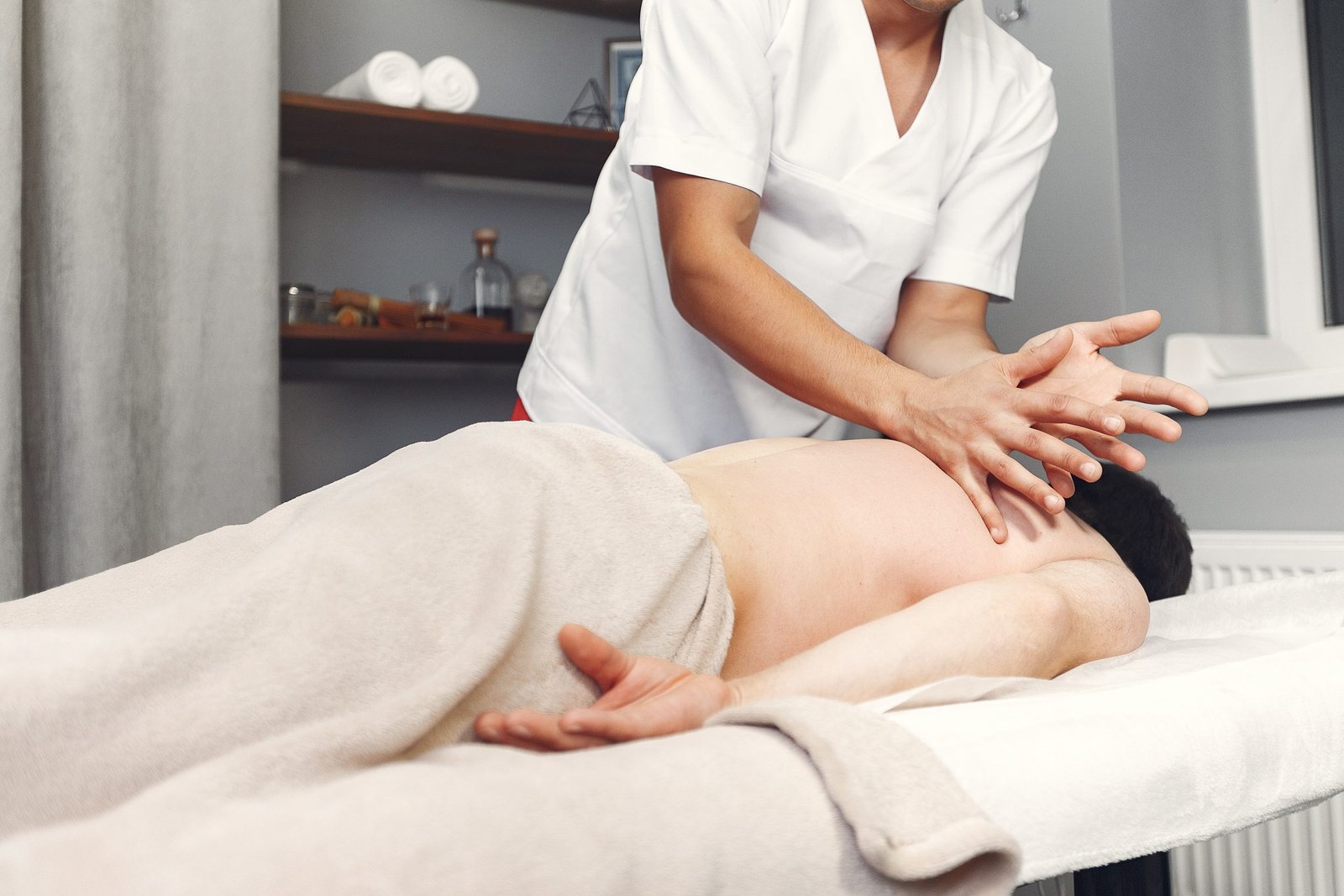
Medical massages are performed with a view to improving health conditions diagnosed by a certified physician. This includes a wide variety of healing modalities that are performed to increase the benefit to the patient. It is crucial to emphasize that massage is not a replacement for medical treatment. If you are seriously ill, you need to see a doctor, and to follow her advice . This isn't to say that massage is useless in medical terms. Quite the contrary: it is increasingly accepted that relaxation, stress reduction, and personal contact can all be important aides to personal health. Medical massage therapy works best when it is integrated into an overall medical plan, complementing the mainstream medical elements.
8.2: Massage for Psychiatric Conditions
If one of the greatest benefits of massage is its ability to relax, to relieve stress, and to enhance psychological wellbeing, then it is only natural to apply massage therapy to people who are suffering from psychological problems.
This has produced good results in some cases, and is an area in which the scope and acceptance of massage therapy continue to expand.
Post-traumatic stress disorder (PTSD) is found among people who have undergone some painful, traumatic experience. It is common among soldiers and others who have experienced military conflict, but it is also widely found among victims of rape and violence. The past experience looms large in how the sufferer experiences the present, often meaning that their interactions with the rest of the world are dominated by fear and distrust. The existence and severity of PTSD is not directly linked to the severity of the experience, but is interwoven with the rest of the psychological makeup of the individual. That is to say, we shouldn't expect somebody to experience more severe PTSD because they have undergone what looks from the outside like a more traumatic experience.
8.3: Diabetes and Massage
Diabetics need special care during massage, since massage is likely to affect their blood sugar levels. There is some medical evidence that massage can be helpful for diabetics3. Massage after injecting insulin, in the area of the injection, can help absorption of the insulin. In short, diabetics need special care. Do offer them massage, but only after discussing the medical implications with a doctor or with a massage therapist experienced in dealing with diabetics – or, ideally, with both.
8.4: Massage for HIV/AIDS Sufferers
HIV/AIDS doesn't harm people directly, but by damaging their immune systems so that they become susceptible to other diseases. As such, massage therapy can be appropriate in some cases and inappropriate in others, depending on the nature of the other diseases from which the patient is suffering. But there are general aspects of AIDS that make massage an appropriate therapy in many cases. Firstly, the psychological benefits can be immense. Although HIV cannot be contracted by touch, the disease has such an apocalyptic reputation that many people are reluctant to touch sufferers. This can leave them feeling like pariahs, bereft of human contact. Massage can provide one of the few opportunities for AIDS patients to experience human touch in an environment more caring than the doctor's clinic.
Then there is the fact that infection with HIV/AIDS can continue for years or even decades, especially given the ever-increasing array of treatment options. It may involve long periods of remission, in which the patient experiences very few symptoms. Treatments will come and go depending on the particular diseases which are taking advantage of the AIDS-sufferer. In this long period, often filled with feelings of depression, alienation and fear, massage can provide an ongoing relationship, a means of relaxation that can continue through many different symptoms, and perhaps at least some reduction in stress.
8.5: Massage for Cancer Sufferers
Cancer patients, and their doctors, are often desperate for any form of treatment that will help with relief of pain, fatigue, and the other unpleasant symptoms caused both by cancer itself and by the treatments used on it. Massage is one alternative therapy that can offer some hope of alleviating such symptoms, and so massage therapy is becoming an increasingly common element of cancer treatment It hasn't been easy reaching this point. In earlier years, there was a widespread belief that massage could be harmful for cancer patients. Many massage therapists therefore refused to treat cancer suffers, and some still do.
The basic concern which drove this was worry that cancer could stimulate metastasis of cancer. Metastasis describes the process by which cancer spreads from one part of the body to another. Its causes aren't well understood, but it generally involves parts of the tumor spreading through the body. Hence, the worry about massage: could a massage physically move parts of the tumor, thus helping the cancer to spread? There still isn't conclusive evidence one way or the other. This concern, though, has not prevented the growth of cancer massage. A few cancer clinics employ their own massage therapists, and many more maintain strong links with local masseurs. Concerns about the impact of massage on the cancer can best be addressed by detailed discussion between the massage therapist and the doctor. Generally, the masseur will then avoid manipulating the tumor itself, and will concentrate on other parts of the body.
8.6: Conditions that May Cause Problems with Massage
Few medical conditions make it absolutely, categorically impossible to have a massage. Yet there are a great many conditions which cause problems for the massage therapist, and which could be exacerbated by massage. The key here is to make sure that your massage therapist is aware of any medical conditions, and to ensure that he or she has contact with your doctor if necessary. Massage therapists will rightly refuse to treat people who are suffering from certain conditions, if they do not have the experience and medical knowledge to do so safely. This is not just for their own protection, but because they do not want to inadvertently cause harm. If you are hypermobile – that is, you are 'double-jointed' or can move parts of your body in unusual ways – it is important to let your masseur know. Stretching hypermobile joints can damage the muscles and ligaments surrounding them, causing problems which could appear immediately or could build up over a number of years.
Spinal problems are another area which a masseur must be told about. In lordosis, for example, the spine curves in an unusual way, Massage may be able to help alleviate some of the symptoms of lordosis – but only if the massage therapist knows the details of your condition. Otherwise, it could harm you. Back massages should not be undertaken (or at least should be undertaken with special care and medical knowledge) when the patient has a dislocated shoulder, or has any history of problems with the vertebra, such as having slipped a disc in the past.
8.7: Massage in Hospitals
Some hospitals in the United States are now beginning to treat in- patients with massage. This greatly improves the hospital experience for patients, although there is still debate over whether the cost of this treatment is justified by the medical benefits. One study looked at 113 hospital patients who were given massage in addition to their main treatment. It found that fully 98% reported feeling more relaxed, while 88% and 93% found improvements in their mood and wellbeing, respectively.
8.8: Massage for the Elderly
Improved medical care, healthy living, and long-term demographic changes mean that the elderly make up an ever-increasing segment of our population. They can benefit from massage as much as, if not more than, anybody else. And, especially as the 'baby boomer' generation reaches retirement age, they are very open to the possibility of massage. Massage can benefit many people simply by offering physical contact, something which many of us are deprived of in the rest of our lives. This is doubly true for the elderly, who may feel very physically isolated.
8.9: Animal Massage
If massage benefits people, why shouldn't it help animals as well? That's the philosophy behind the small but growing animal massage movement, who have adapted the techniques of the spa to be applied to animals. Because of the expense and effort of massage, it is mostly confined to a small range of animals: beloved family pets, and racehorses. Racehorses in particular benefit greatly from massage, for much the same reasons that allow human sportswomen to benefit so much from it. Racehorses have large amounts of muscle, are trained and exercised to the peak of their capacities, and then compete in races which cause injury and tissue damage. Equine massage can improve blood circulation, reduce muscle spasms, and generally help to prepare a horse for a race.
Lessons Learned
In this module you have learned about different types of medical conditions and how massage therapy can help them. We understand that the more conditions you can treat, the more clients you can take on and increase your earnings. We have also made it clear that not many medical conditions render people unable to have massage therapy. Animals can also benefit from massage therapy but this would require further training and is not covered in this module. You now understand that all people with medical conditions should be treat with the same respect you would give anybody else.
.svg)



