
5.1: Introduction
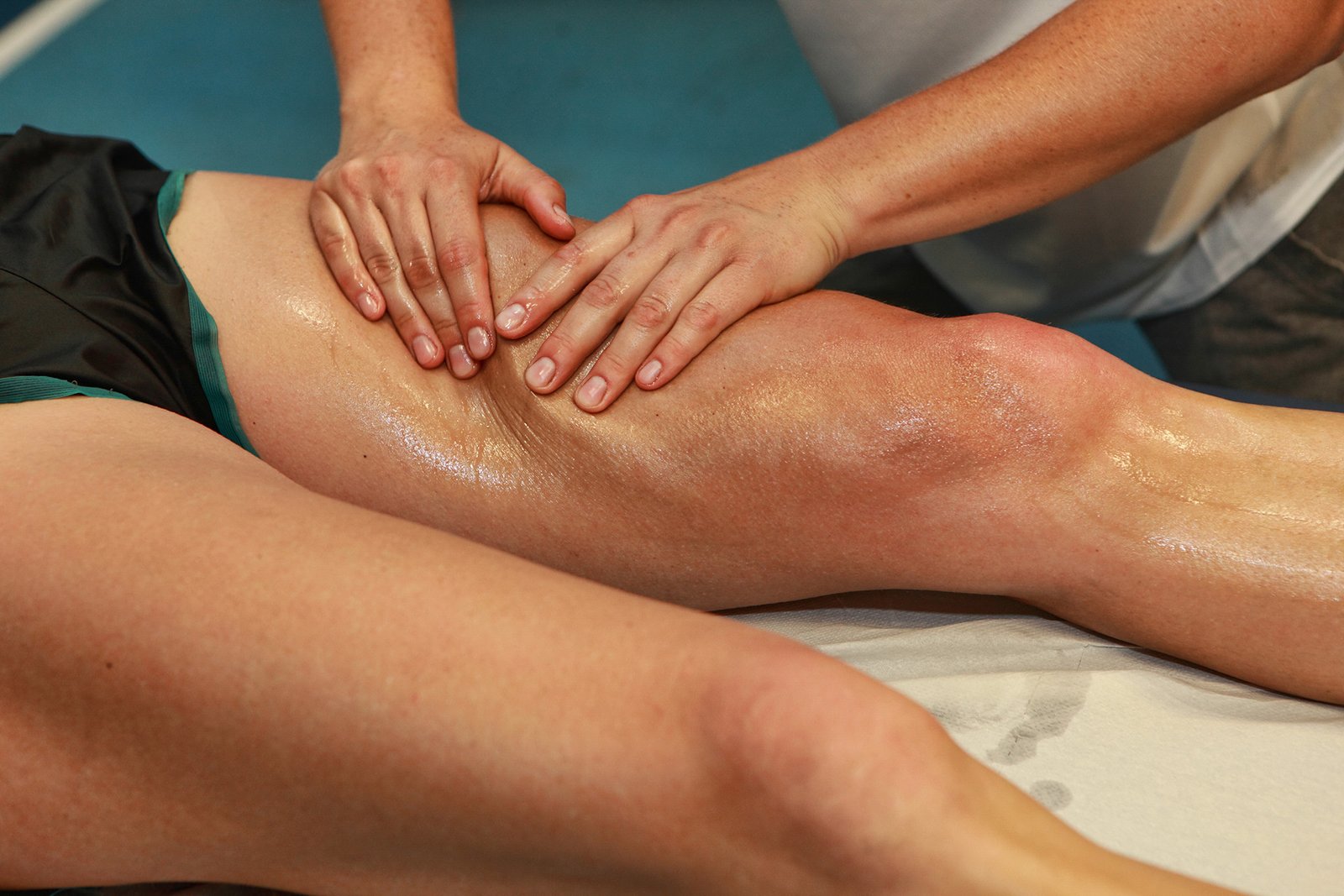
Sports massage therapy is defined as the application of treatment oriented and specific massages with a view to treat individuals who play sports. It encompasses the manipulation, rehabilitation and management of soft tissues that have a propensity to injury and damage. Sport is associated with intense competition and physical activity; massage therapy is becoming increasingly accepted as a holistic treatment that aids recovery and improves performance. Muscle injuries often go undiagnosed and unsuspected until they reach a point where the athlete experiences pain or discomfort. When used skilfully, sports massage therapy is extremely effective in restoring balance to the muscoskeletal system and helping the client attain a healthier state. Sports massage is intended to enhance performance or aid post event injury or strain. Sports massages are aimed at specific muscle groups and help prepare muscles for sporting events or help in muscle recovery from stress and strain. Sports massage comprises special components that are intended to help both amateur as well as professional sports persons before, during and after events.
The primary objectives of sports massage involve reducing inflammation and injury and provide warmth for muscles. On a side-note, sports massages are useful for both sports people and non-sports people too! Contrary to popular belief, sports massages are not only for athletes; they offer therapeutic benefits to every sports person. Every sports person requires regular massages regardless of injury. Sports massage has an impressive list of physical, physiological and psychological effects. This is because professional sports massage can help restore mobility to strained muscles, improve flexibility and increase your overall lifespan as a sport professional! In other words regular sports massages are recommended for those looking to have a successful sports career.
5.2: Sports Injuries and the Importance of Sports Massage
Sports massage is absolutely necessary for peak performance, unhampered by strained muscles and aching tendons. With proper use and application, sports massage is much more than simply a form of treatment for injuries. It helps prepare a sports person for optimal performance by reducing muscle swelling and tension as well as decreasing fatigue. Muscle tension (especially in soft tissues) builds up due to strenuous physical activity. Due to prolonged periods of overextension of these strained muscles, the soft tissues develop lesions and injuries. These cause a great deal of pain and detract from your performance. Many athletes have lost out on major wins and victories due to damaged muscle tissue.
DOMS
Athletes often experience the delayed onset of soreness in muscles, referred to as DOMS (Delayed Onset of Muscle Soreness) or muscle fever. The symptoms tend to set in about 6 to 8 hours after strenuous (and particularly new) forms of exercise and peaks at about 48 hours. In simple terminology, DOMS is caused due to microscopic tears in connective tissue. Although DOMS is usually experienced in the legs, it's by no means restricted only to the leg area. DOMS can be felt anywhere in the body that has been exposed to unfamiliar physical activity. While most forms of exercise can be responsible for the onset of DOMS, lengthening and stretching exercises are thought to be significant causes for the manifestations of the DOMS syndrome. The prolonged stretching leads to what is called 'eccentric contractions' of muscles. Muscle soreness can be extremely counterproductive and can lead to a poor performance. For non-sports people, DOMS can come in the way of a physical fitness regimen. Moreover, if the problem is not treated, the pain may become progressively severe. Subsequent workouts and exercise may feel nightmarish and you may experience a reduction in motivation levels. Massage therapy is extremely useful in easing DOMS by stimulating blood flow as well as the lymphatic system. The improved blood flow helps flush away metabolites and other forms of toxins from muscle tissue. In fact, according to research, massage therapy is capable of reducing at least one-third of the pain as well as muscle swelling.
Massage therapy is accepted as an effective form of treatment and is an integral part of modern training programmes. Athletes and other sports health professionals suggest that regular therapeutic massages can provide that extra edge required for peak performance for both men and women. Preventative massage techniques should usually be administered after warm up sessions when the muscles are at higher temperature. Muscles that are heavily exercised lose their capacity to relax after contracting. Muscles work by contracting and relaxing alternately; however, heavily exercised muscles are unable to relax. This leads to chronically 'tight' muscles which are predisposed to injuries including muscle tears and pulls. Tight muscles are also associated with poor blood flow (this condition is called 'ischemia') and this causes pain. Massage therapy is extremely useful in easing muscle tightness and improving blood flow in order to reduce pain. According to Glen Harvorsen, MD, muscle strain (another reason for injury and loss of mobility) can be prevented and avoided with the use of regular massage techniques. This is why sports massages should be regular given as a preventative or 'maintenance' therapy. In addition to physical benefits and relief, massage therapy also helps sports persons achieve a better mental state. The enhanced relaxation levels help them achieve their highest potential. Sports massage helps revitalize tired muscles, eases muscular tightness and pain as well as enhances focus for improved athletic performance.
5.3: Benefits of Sports Massage
Here's a closer look at some of the physical benefits of massage:
1. Pumping Action: Massage helps pump blood and fluids through lymph and blood vessels. By using massage pressure strokes, there is a vacuum created at one end of the stroke (at the rear end) because pressure is increased at the front end. The pumping action stimulates flow of blood and fluids to tight muscles. Tight muscles are constricted and prevent muscle tissues from gaining access to oxygen and nutrients.
2. Increased Muscle Tissue Permeability: Deep tissue massage helps open up pores, thus enabling the free flow of nutrients and fluids into muscle tissues. The action also facilitates the elimination of toxins like lactic acid hence allowing muscles to recover faster.
3. Stretching Action: Massage movements are able to stretch tight knots of muscle and muscle fibre (fascia) sideways as well as lengthwise. This helps reduce build-up of pressure and tension in muscles.
4. Breakdown of Muscle Scar tissue: Have you ever experienced a sports injury that refuses to heal? Scar tissue formation is a natural part of the healing process when we injure a muscle tissue, ligament or tendon. The problem lies in the fact that scar tissue is not as strong or functional as the tissue that it replaces. There is a lack of flexibility in the tissue that in turn causes pain and dysfunction. Scar tissues are prone to further injury and damage and must be assessed for treatment. Massage therapy helps break down scar tissue and encourages the formation of muscle tissue.
5. Improvement of Muscle Tissue Elasticity: Increasing tissue elasticity is an important prelude to improving flexibility. Inelastic muscle tissues lead to stiffness and are prone to injury. Massage helps localise friction to an area and this in turn helps increase temperature. The increased temperature helps loosen up muscle fibres and helps tissues become more elastic (waste products and metabolites can also accumulate in tight and inelastic muscle tissue).
6. Helps Enhance Microcirculation: Massage helps blood vessels dilate to allow for improved flow of nutrients and oxygen. This helps strained muscles recover from damage, soreness, stiffness, injury, sprains and pulls.
Physiological and Psychological Effects of Sports Massage Therapy
Massage aids the release of endorphins, which are the body's natural painkillers. Sports massage techniques are also used on 'trigger points' that may not actually be bruised but feel extremely to the touch. Massage helps loosen the tight knots of muscle and eases the pressure on trigger points. Sports massage is recommended for pain reduction and relaxation. In addition, massage is effective at reducing anxiety and feels invigorating before a match, event or performance.
5.4: Application of Sports Massage Techniques
There are several types of sports massage therapies used in the treatment and rehabilitation of injuries. Sports Massage Therapy for Quadriceps (Muscles at the front of the thigh) The quadriceps often experience strain and injury. The pain can be mildly uncomfortable or be severe enough to cause extreme pain and disrupt mobility. Symptoms of a quadriceps pain or strain include a sudden, sharp pain in the thigh region.
The Quadriceps
Sports therapists normally grade thigh injuries on a grade from 1 to 3, 1 being mild and the 3 referring to s severe strain or tear. Quadriceps injuries are especially common when the athlete has not had an adequate warm up session before sprinting, jumping, kicking etc. The type of massage technique chosen will depend on the severity of the injury.
1. Light and Deep Effleurage
Using both hands, lightly but firmly stroke the legs from the ankle right upto the hip and work your way down again (avoid the patella or knee-cap). Repeat the light effleurage strokes 5 to 10 times before applying massage procedures directly on the thigh area. Now use slightly firmer strokes from the knee cap to the top of the thigh. Ensure that you cover an as much area as possible with your hands and keep stroking in the direction of blood flow (towards the heart). Next, bring your hands down slowly and smoothly down the sides of the legs without applying pressure. Repeat the cycle for 3 to 5 minutes while increasing the pressure with each upward stroke.
2. Muscle Stripping and Circular Motions
The aim of muscle stripping and circular motion is to iron any knots, kinks, lumps or bumps. Using your right thumb, apply sustained and constant pressure on the entire length of the thigh muscle. Keep the pressure slow and deliberate; you should be able to feel the muscle underneath. As you gain experience, you will be able to form a mental picture of where the scar tissue is located. You can reinforce the massage using your thumb or two fingers to increase pressure. If you are able to feel tight knots or lumps, use circular motions to create friction at the point. The massage should not increase the pain but should be able to feel 'right' to the athlete.
3. Massaging the Iliotibial Muscle band
The iliotibial band is a thick band of fascia that runs from the outside of the pelvis right down to below the knee. The aim of this massage technique is to apply pressure to the iliotibial band to ease out tightness and knots that prevent stretching. Using the heel of your hand, apply pressure from just above the knee to the top of the thigh. Avoid pain points and sore spots. As a massage therapist, you should be able to feel the iliotibial band under your fingers. The pressure should not force the client to wince or tighten up with pain. Alternate this technique with petrissage therapy for maximum benefit. To increase the pressure, try using your thumb.
4. Trigger Points and Circular Motions
If you are able to feel bumps or knots along the iliotibial band, then you can use your thumb to perform circular friction massage around the spot. Start off gently and increase pressure very slowly. For trigger point massage, apply pressure on a pain spot until the client experiences moderate pain (about 7 on a pain scale of 10; 10 being extremely painful). Now hold the pressure for about 10 seconds until the pain eases off to about 4/10 on the scale. Now increase the pressure again until the pain increases to 7/10 and hold until the pain falls off in 10 seconds. For best results for trigger point therapy, keep the thumbs flexed so that you avoid damaging the joint. Repeat the entire sequence of steps again. The massage should take roughly one hour to complete. Light massages can be performed even on a daily basis. Trigger point massage therapy is extremely effective for muscular spasms, hypersensitivity and pain. However, for deeper massage procedures, it's advisable to give tissues one of two days to recover before the next session.
Achilles Tendonitis Massage
The Achilles tendon is located at the back of the lower leg and is prone to rupture and injury especially for those who play recreational sport. Statistics indicate that a ruptured tendon accounts for 5 to 12% of all running injuries and is more common in men than women.
The Achilles Tendon
The Achilles tendon experiences the maximum pressure during 'take-off' point at the beginning of the race. As you run faster, the higher the likelihood of injury to the Achilles tendon. The Achilles tendon often gets worse with running uphill, wearing low-heeled shoes (with inadequate cushioning) or spiked shoes. When we overstretch the Achilles tendon, it may rupture partially or completely. When the Achilles tendon ruptures, you may experience a sharp snap followed by extreme pain. Massage therapy for the Achilles tendon is intended to break down scar tissue, stimulate blood flow and aids in the healing and stretching of the calf muscles. Massage procedures can help in the treatment of partial ruptures as well as during the rehabilitation period following corrective surgery.
Step 1 - Effleurage
Use light effleurage with essential oils to warm the muscles as a prerequisite to applying deeper techniques. Extend the effleurage strokes to the entire calf region right upto the joint where the tendon joins the muscle to promote overall healing. Using your fingers, apply firm pressure starting from the heel to the knee. Now work your way back down the sides of the leg, touching the leg but not applying pressure.
Step 2 - Transverse Mobilisation Technique
Using the thumb of one hand and the finger of the other, apply transverse pressure to the tendon by using your hands alternately. This form of transverse massage pulls the tendon in alternate directions, thus making it more supple and flexible (transverse mobilisation is also used for strained tendons in other parts of the body like the shoulders).
Step 3 - Stripping the Achilles Tendon
Step 3 involves applying sustained pressure using your thumb along the entire length of the Achilles tendon.
Step 4 - Apply cross fictions using two fingers to massage the Achilles tendon.
Work in transverse directions and apply firm but gentle pressure with a little oil to help you get the right lubrication. ART or Active Release Technique involves combining massage techniques with movement in order to break down muscle adhesions and relieve pain. ART techniques are used for specific complaints including shin splints, hamstring injuries and plantar fasciitis. In addition, Swedish massage and deep tissue massage therapies work extremely well for sports injuries. The frequency of massages depends on the intensity of training and your physical fitness levels; those with lower levels of fitness may require additional massage sessions. Runners, for example, should consider getting massages during evenings or the following morning after the muscles have had a chance to rest. For preventative massage therapies, schedule the massage session about 3 to 5 days before an event in order to give your muscles a chance to respond.
There are three main components to sports massage: Timing, Technique and Intent:
1. Timing of the massage could be before, during or after an event.
2. Technique could include effleurage, petrissage, vibration, stripping, rolling, compression and so on.
3. Intent refers to the reasons for the massage therapy treatment. Intent could include improving blood flow, flexibility, range of motion or aiding recovery.
All three factors are inter-related and the therapist has to decide on the most effective approach for best results.
Lessons Learned
In this module you have learned why people will need sports massage therapy. You understand the different areas and common problems that cause clients to suffer from sports related injury. This module has discussed how to identify and treat certain issues that you will encounter with clients. Sports massage therapy can include every part of the body depending on what sport/ injury the client has experienced. You understand the importance and structure of the Achilles tendon. You have learned how to treat DOMS and understand the benefits of sports massage therapy.
.svg)



