
3.1 Introduction
Part of the beauty of massage is the simplicity that is possible – just two people, in almost any situation. But, in practice, massage is immeasurably improved by the use of good equipment. This can be as simple as a massage table and some oil, or as complicated as you like: bars, inversion tables, and the like. Bear in mind that some of these pieces of equipment can be dangerous if you have not been trained to use them.
3.2: Oils
Sweet Almond Oil
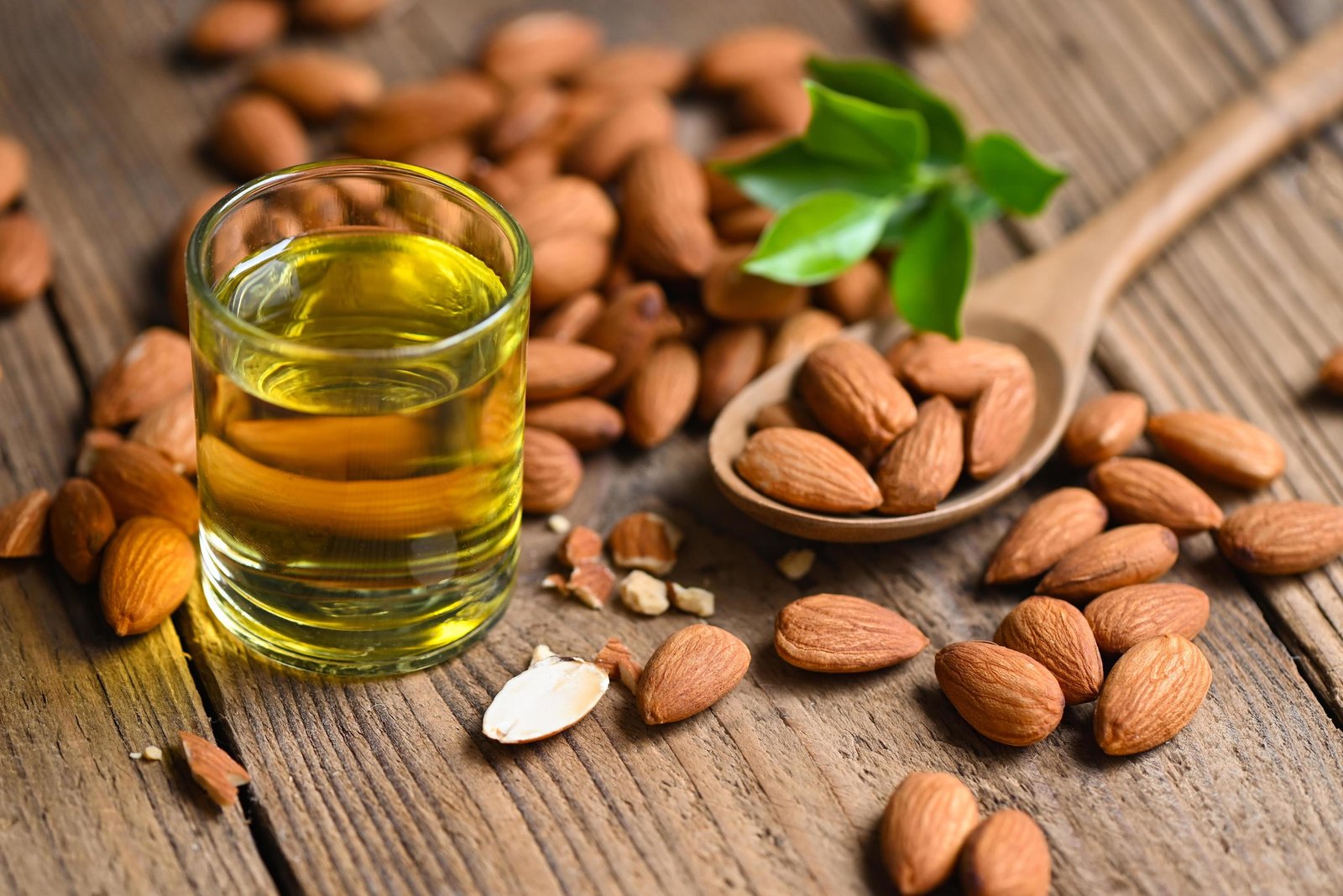
Botanical Name: Prunus amygdalus var. dulcus
Aroma: Light, slightly sweet and nutty.
Texture: Slightly oily, leaves a slight oily feeling on the skin. Absorbs semi-quickly.
Colour: Virtually clear with a tinge of yellow. Sweet Almond oil is considered to be a good all-purpose safe oil and is moderately priced.
This oil is high in nutrients such as unsaturated fatty acids, proteins and vitamins A, D and E. This oil makes an excellent hair conditioner. Helping to soften, moisturise and protect the hair. It has warming effects on the body and is therefore useful for stimulating hair growth, as well as helping to reduce pain and tightness. Safety Data: Do not confuse with Bitter almond oil as it contains prussic acid, known as cyanide and is a well known poison. Bitter almond oil should never be used in a therapy. Individuals who have allergies to peanuts or other types of nuts may also be sensitive to almonds.
Fractionated Coconut oil
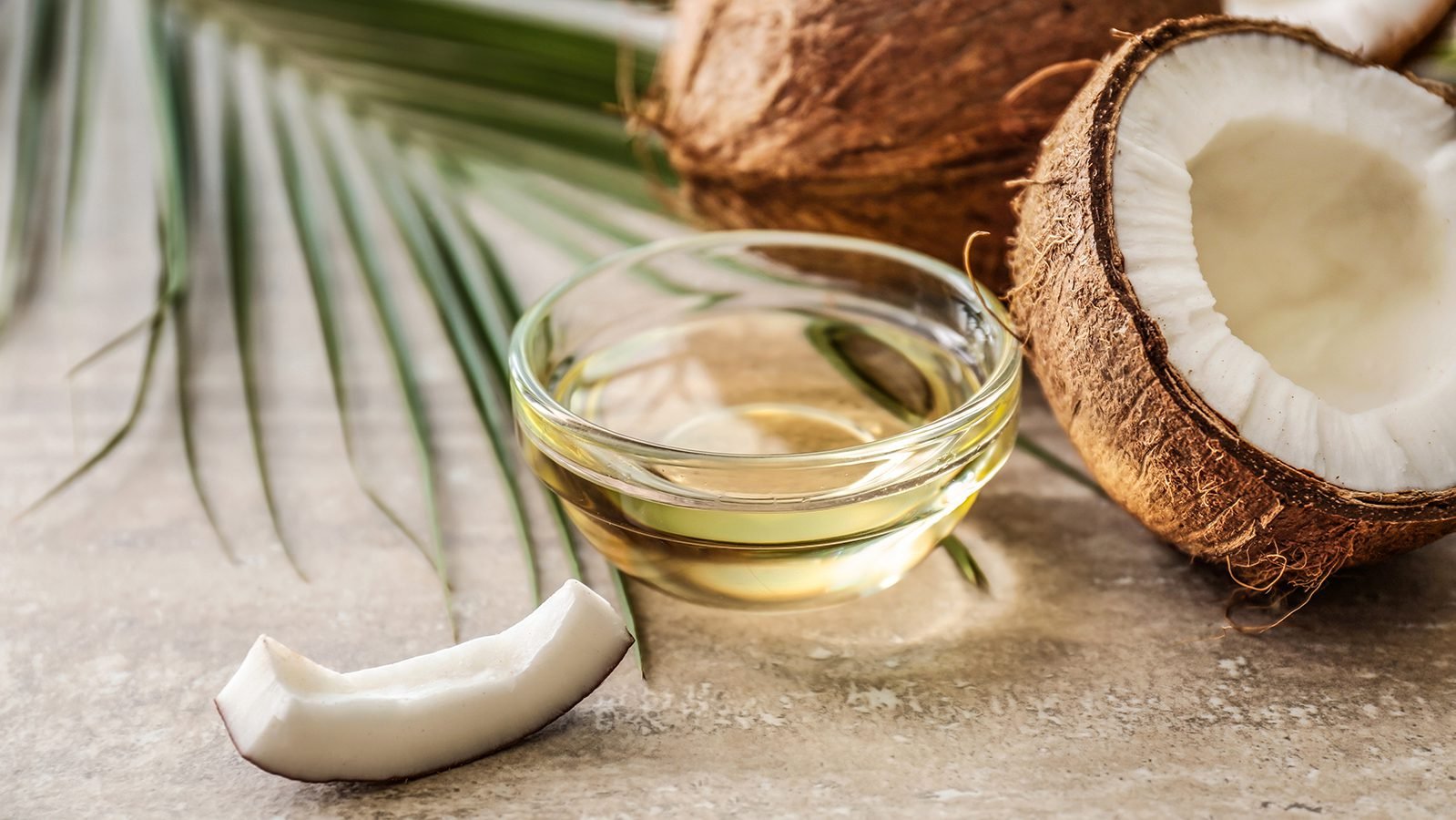
Botanical Name: Cocus nucifera
Aroma: Odourless
Texture: Natural creamy texture
Colour: Colourless
This is a very popular oil and is widely used in the southern parts of India. It is a light oil, which is very moisturising and softening on the skin and the hair. It also helps to relieve inflammation and can be useful for dry, brittle hair and hair that has become lifeless due to chemical and physical stress. Coconut oil has the longest shelf life of any plant oil because of its anti-oxidant properties. It has a high vitamin E content. When added to other oils it will extend their shelf life. The one thing it doesn't do, is smell of coconut. Real coconut oil is odourless. It can also go solid if stored in a
refrigerator. Safety Data: Coconut oil can cause an allergic reaction in some people - especially the solvent extracted oil.
Mustard Oil

Botanical Name: Brassica nigra.
Aroma: Sharp acidic penetrating odour
Texture: Light
Colour: Yellow
Mustard oil is a hazardous oil because of its high content of allyl isothiocyanate. Because of it's
hazardous nature we would never use this oil Safety Data: When mustard oil is inhaled, it produces an extremely unpleasant sensation in the occipital regions of the head and causes inflammation of the conjunctiva of the eyes and the mucus membranes of the respiratory system. When applied to the skin, it provokes a burning sensation and again in our opinion should never be used in Indian head massage.
Olive Oil

Botanical Name: Olea europaea
Aroma: Fruity
Texture: Heavy
Colour: Yellow
This is very popular in the western world. It is of viscous consistency with a strong smell and is therefore often mixed with another lighter oil such as almond. The virgin or extra virgin variety of this oil contains high levels of unsaturated fatty acids and can therefore be useful in helping to moisturise dry skin and hair. It has stimulating properties, which help to increase heat in the body and can therefore be used to reduce swellings and alleviate muscular tightness and pain.
Sesame Oil
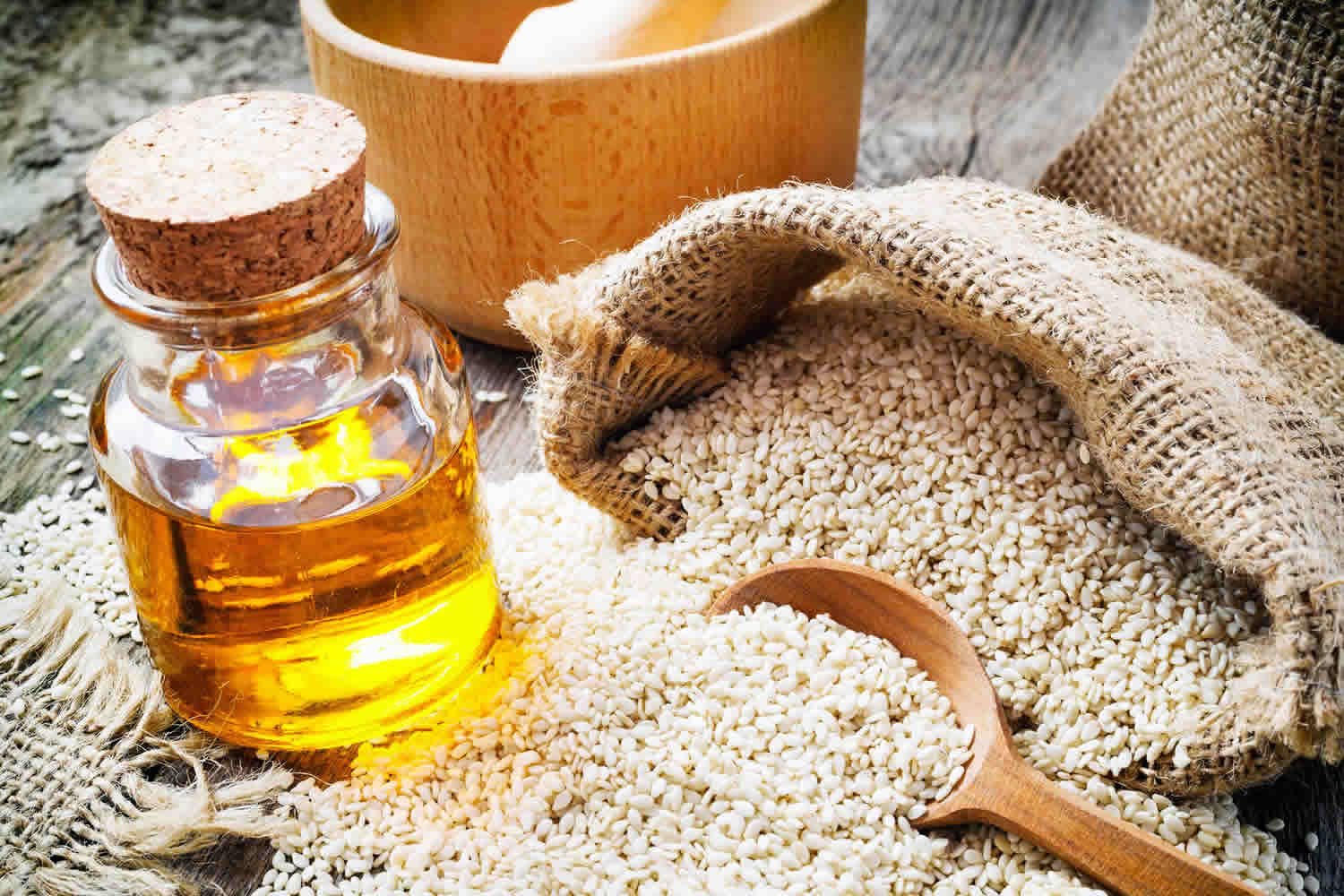
Botanical Name: Sesamum indicum
Aroma: Medium with a distinctive sweet, nutty sesame scent.
Texture: Mildly thick, leaves an oily film on the skin.
Colour: Light yellow.
This is one of the most popular oils used in the western part of India and is very popular in Ayurveda. Sesame seeds are high in minerals such as iron, calcium and phosphorus, which help to strengthen, nourish and protect the hair, It is an excellent oil for dry skin and hair. It is said to help to improve skin texture, reduce swellings and alleviate muscular pain. It is also believed to be effective in stopping the hair turning grey. Safety Data: Should be avoided by individuals with nut allergies.
There are other oils traditionally used in India for the treatment of hair. These oils are blended with eastern herbs and spices not readily available in the west. They may be imported andsold in traditional Indian Super markets and health stores.
Amla Oil
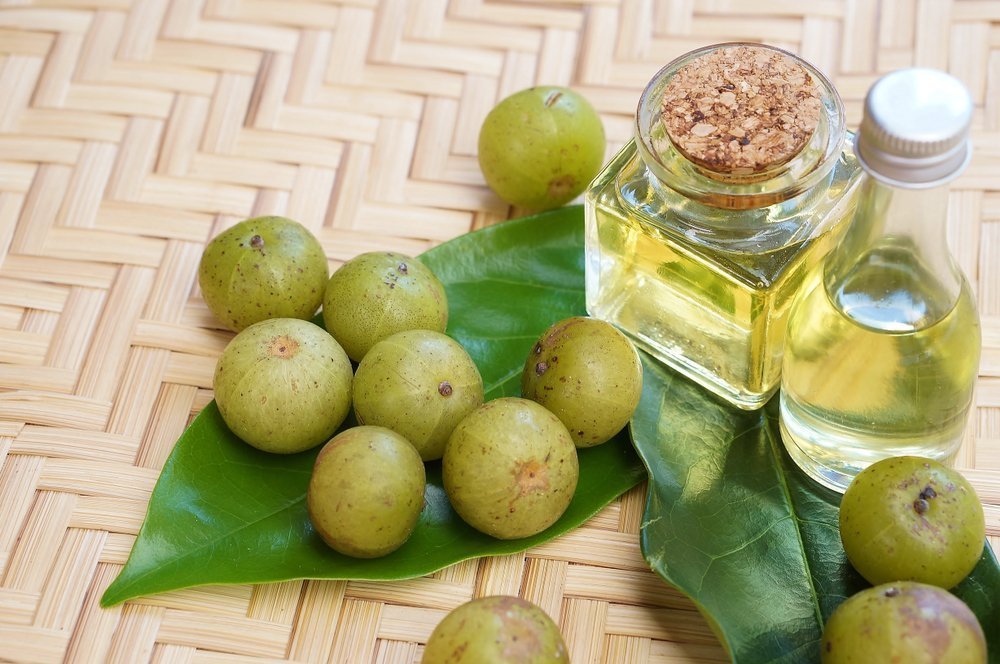
In combination with Henna this is an excellent hair tonic. It promotes the growth of healthy and lustrous hair and has a cooling and nourishing effect.
Brahnii Oil
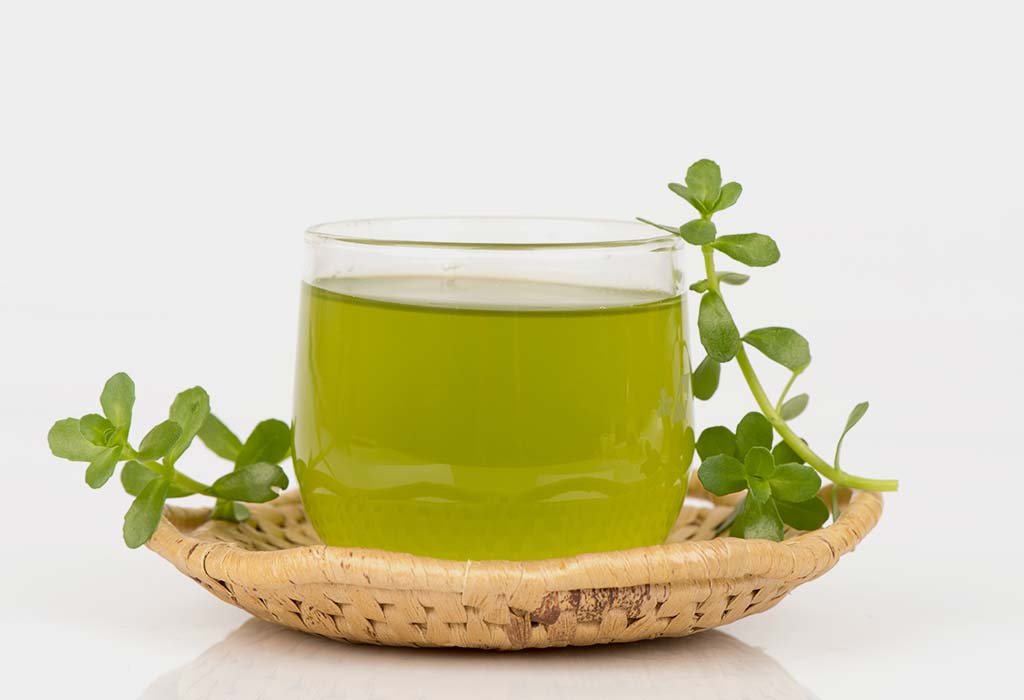
This is a unique combination of carefully selected exotic herbs blended with pure coconut oil. Blrahni oil helps the growth of long, lustrous hair and is said to provide relief from dandruff and joint pain.
Bhringraj Oil
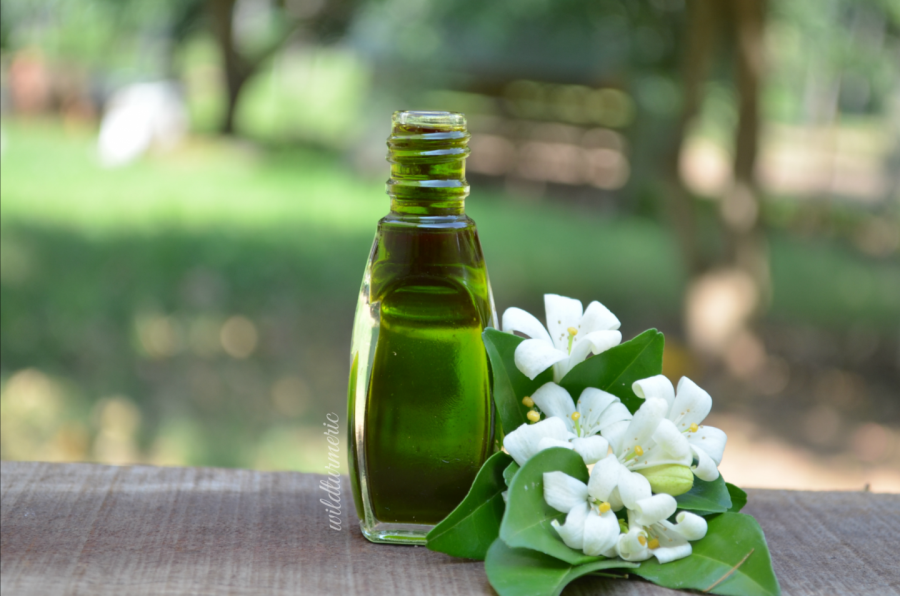
This is a popular oil for daily head and scalp massage in India. As well as helping to promote hair growth, it is said to nourish brain cells, help encourage better sleep and relieve stress and tension.
Neeni Oil
This oil is native to India and has antiseptic, astringent and antibacterial properties
Pumpkin Seed Oil

This oil is extremely nourishing for dry and stressed hair, as pumpkin seeds are rich in vitamin A, E, C and K, in saturated fatty acids and protein.
Shikakai Oil
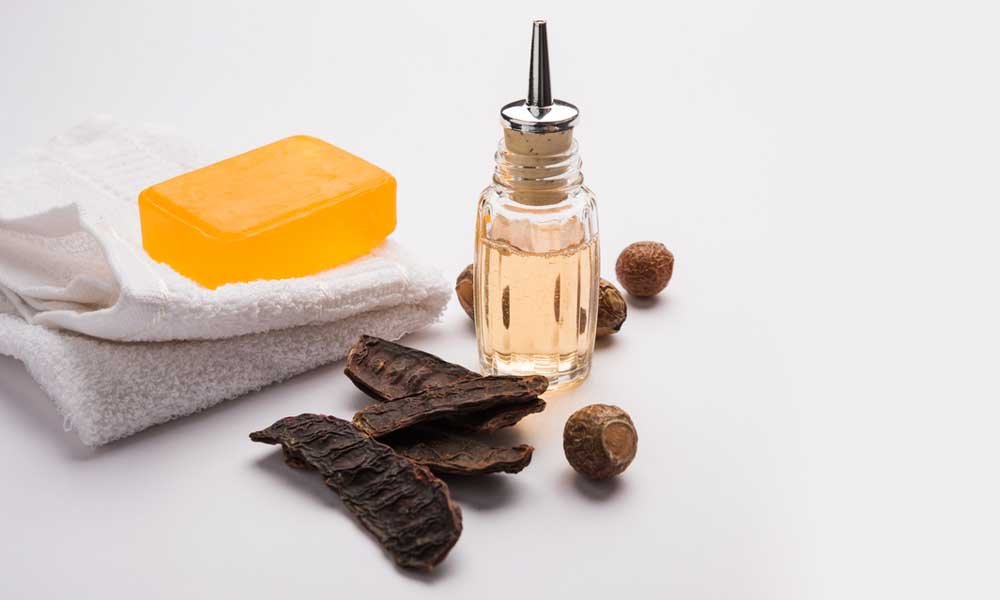
This is said to be an excellent hair rejuvenator and has astringent and antiseptic properties. Is said to help with eczema and dry scalp.
Honey
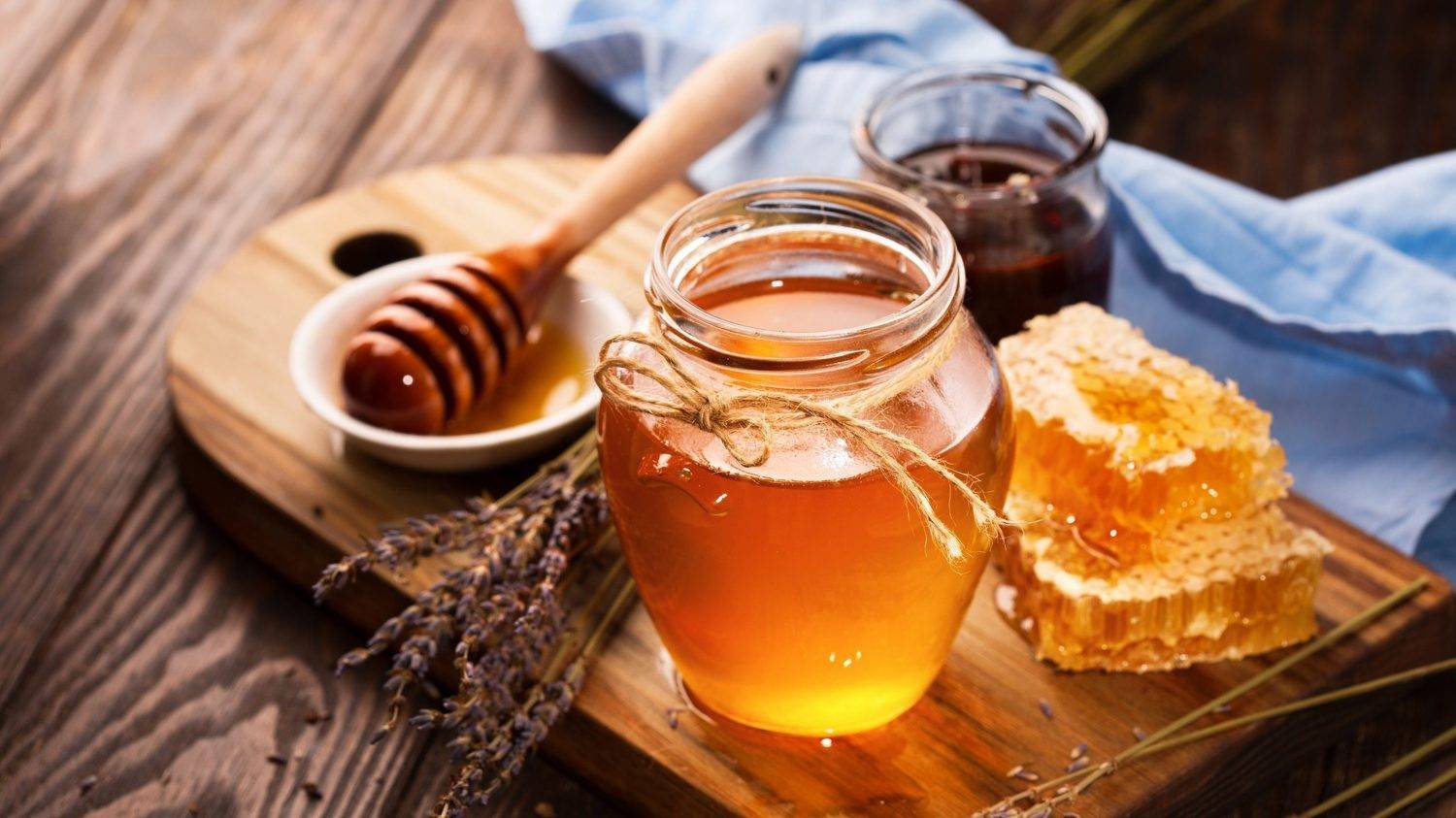
Yes, honey – the thick, sticky honey that you put on your toast. The stickiness, in fact, is crucial to the massage. First the massage therapist will put a dollop of honey on to the area he's going to massage. Then it's time for the laying on of hands – and the struggle to get them back off again. This process of trying to lift up your hands has an effect almost similar to a vacuum treatment – it lifts up the skin in a way that you couldn't do without the help of the honey. This is what brings the benefits: proponents of honey massage claim that it improves the circulation of blood directly under the skin, and helps the skin to regulate its temperature. Important information: If Essential Oils are to be used in the massage oil it is always important to do a patch test on your client; by mixing one drop of essential oil in a teaspoon of base oil e.g., Sesame oil and applying the mix to the crook of the arm or behind the ear of your client and leave for 24hrs.
If no adverse reaction is seen or felt, such as redness or itching etc, the oil can be used. Use two to four (2 - 4) drops of Essential oil in ten mls (10mls) of base oil. Use a brown glass bottle and keep stoppered, as essential oils rapidly evaporate in open air. Remember that essential oils are volatile and some oils could be harmful to certain people (contra-indications). To know more about essential oils you may like to consider the introduction to aromatherapy course, which will give you a much more indepth study of essential oils. If a client wishes to have oils used then they will need to uncover their upper back, shoulders and arms. For your recipients dignity supply a towel, which is large enough to wrap around their upper chest and be tucked in.
3.3: Psychological Aspects of Some Essential Oils
Angelica
Angelica is said to alleviate feelings of exhaustion and mental stress, giving a sense of balance to the emotions and intellect and helps the client motivate his / herself to deal with forbidding problems.
Chamomile
Calms depression, fear, hysteria and tension. For those assailed by worries it is said to be calming and brings a sense of tranquillity where there are states of irritability, anger, restlessness or impatience. Those who are over-sensitive emotionally should find succour in this remedy.
Jasmine
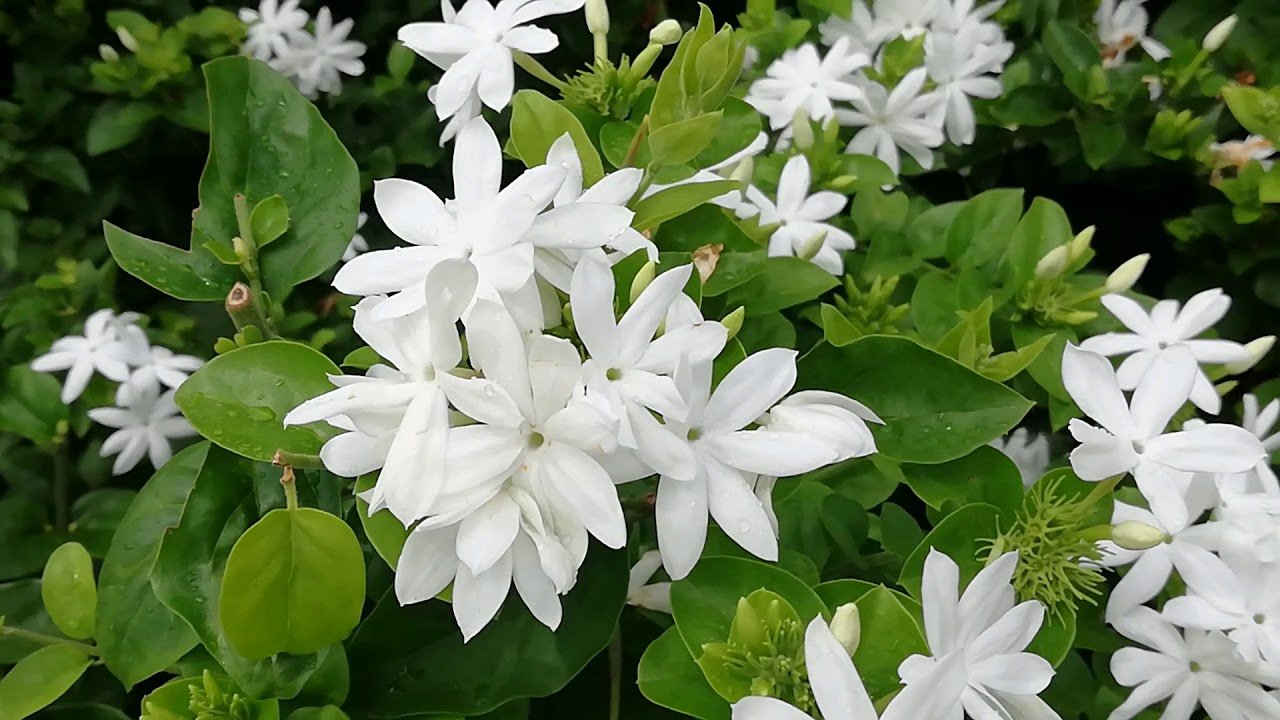
A calming, grounding and uplifting oil, Jasmine lighten the spirits and brings the person towards a more realistic view of the world when he / she is feeling distant or detached. It is a principle agent for the treatment of depression, lightening sadness, instilling self-confidence and rousing those suffering from lethargy and apathy. It is useful for taut states where the emotions are coiled like a spring manifesting as rigidity, lack of emotional expression and jealousy.
Jasmine calms anxiety and brings calmness to those afraid of coming events and can act as an aphrodisiac. Use with caution for migraine sufferers.
Lavender

An oil that affects the mind and emotions both physically and subtly, Lavender is a stabilising remedy. It is said to balance the emotions of those prone to swing from one mood to another and soothe anxiety, panic and hysteria as well as acting to lift the spirits in states of depression and debility. Insomnia may respond to Lavender essence and it has also been used in the treatment of bipolar affective disorder.
Lemon

Lemon cools and is said to refresh an over-heated heart and mind, bringing clarity to the thoughts. Use this oil sparingly.
Rosemary
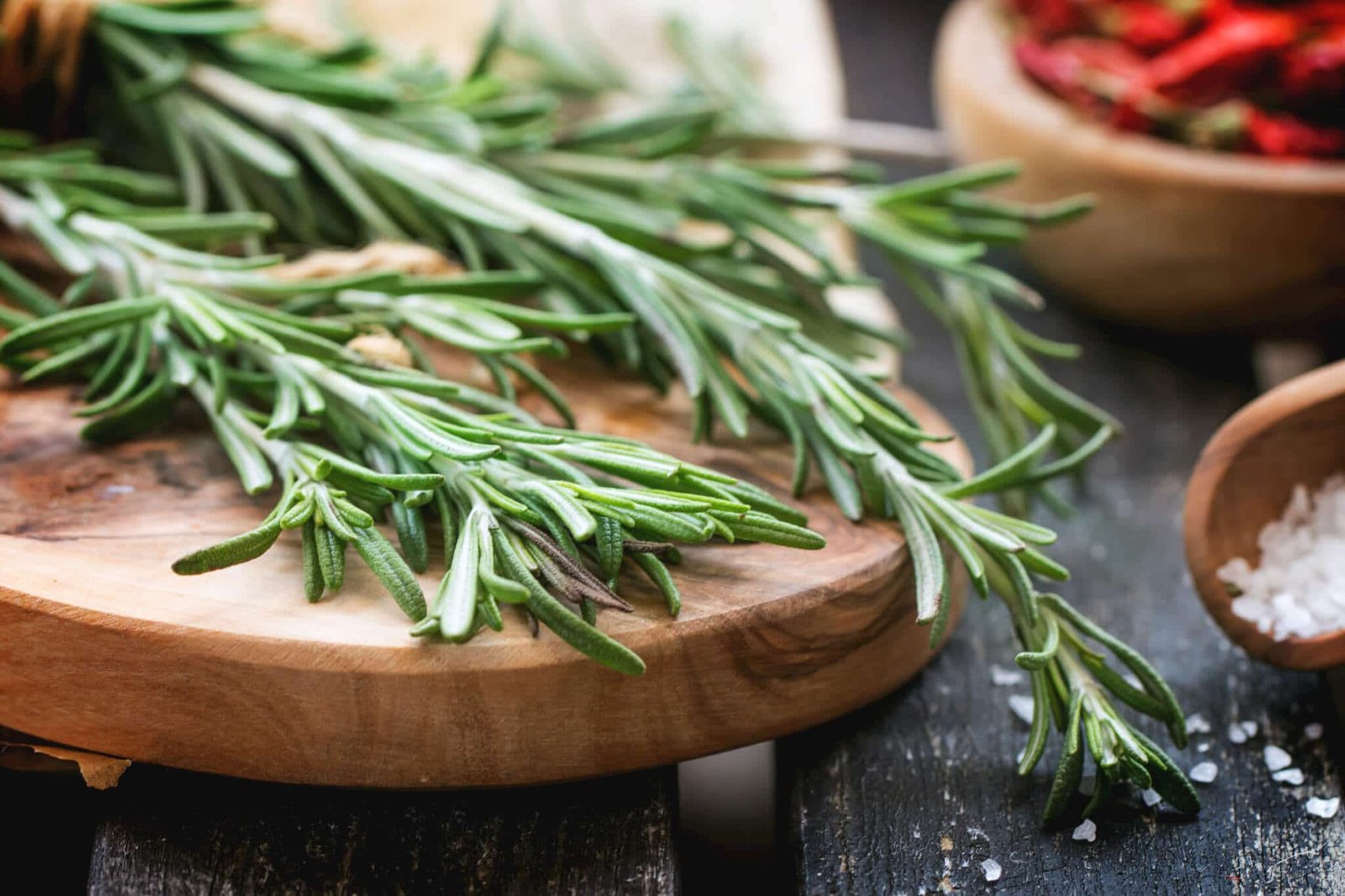
A remedy that brings sharpness and clarity to the mind and emotions, honing the intellectual faculties and clearing away accumulated wastes. It is used where there is loss of mental functioning whether this manifests as poor memory or disorientation, brings focus where there is lack of mental clarity or indecisiveness and gives a feeling of protection. Hysteria, lethargy, sadness and the 'Monday morning' feeling are helped by the uplifting qualities of Rosemary, the latter particularly when this oil is combined with citrus oils. Use this oil sparingly.
Sandalwood

A medicine chest for the mind, Sandalwood has been used to effectively deal with many negative emotional conditions. It induces mental calmness, a boon for those beset by obsessions, anxiety, fear of coming events or failure, short temperedness, insecurity, self criticism and lack of self-esteem. Sandalwood is said to soothe sadness and depression, helps the grieving and encourages perseverance in difficult circumstances. Those who are too bound up with events in the past will find aid to cut binding ties and those who are excessively introverted may find relief from this essence. Fear of intellectual effort melts away under Sandalwood's influence and new impetus is given to those prone to listlessness and procrastination. Sandalwood's odour appears to give a feeling of protection to the insecure, brings a freshness of outlook to the cynical and aids those troubled by recurrent dreams. It is reputed to help in cases of sexual impotence and frigidity and to aid the development of the intuitive sense.
Ylang ylang
An almost archetypal scent, Ylang ylang relieves tight, inflexible, active negative emotions such as guilt, hostility, impatience, jealousy, rigidity, stubbornness, secretiveness, suspiciousness and anger. It appears to ground those feeling distant, detached or aloof, gives a feeling of self-worth to those who are too critical of themselves and lack self-esteem and calms those of excitable temperament. Anxiety, depression, insomnia and shock are said to be aided by the earthing qualities of Ylang ylang and it has a long tradition of use as an aphrodisiac and in cases of impotence and frigidity.
3.4: Massage Tables
Any comfortable, flat, stable surface of the right height could double as a massage table, if you are only intending to perform an occasional massage in your own home. Any more serious use, though, demands specialised equipment.
Purpose-built massage tables are better in several ways:
They are better designed to support the body during massage, in a comfortable and ergonomically-correct way
They are typically more hygienic, able to be easily wiped down after being used by one person, and before another comes in to take their place. You're less likely to end up with a table sodden with old massage oil
They are often adjustable in height or other respects, making it easier to set them up correctly for the location and for the physique of the individual massage therapist.
An inversion table is equipped with straps to securely tie down the customer. The table can then be mechanically tilted, so that the customer can be held at an angle, perhaps with the head lower than the feet. One claimed benefit of this is that it decompresses the spine. Over the course of normal lives, the vertebrae of our spine are pressed into one another by the weight of our bodies. This is why we are slightly taller in the morning than the evening: a night of lying down allows the spine to expand back to a greater length. The idea of the inversion table is to take this principle one step further, allowing the force of gravity to gently pull the spine out to a greater length.
3.4: Chairs and Stools
With the rise in chair massage, many companies now offer specialised chairs for masseurs.
There are a few basic essentials to check for: Adjustable height – both for different masseurs, and for different patients
Comfort – a massage won't be much fun if a badly-built chair is making you fidget for the entire time Ease of cleaning – Chairs don't need as much cleaning as tables, not least because chair massages are usually performed fully clothed. Still, it is a definite advantage to have either removable covers or a wipe-clean surface As well as normal chairs, you might consider using a kneeler. This will allow you access to more of the body. Kneelers can also be more comfortable than chairs – but only once you get the hang of using them. If you choose to invest in a kneeler, be prepared to help your customers find a good posture in it.
Module Summary
Lessons learned In this module you have learned about the use of equipment in massage therapy, massage therapy is
simple in the fact of how easy it can be to begin. Little more is needed than your hands and a massage therapy table to begin. You will need little equipment but still need to know the full ins and outs of the equipment you can use. Oils and herbal treatment can enhance your customer's experience and also help you develop your skills as a masseuse.
.svg)



