
The risk of falls decreases significantly by engaging in exercise…
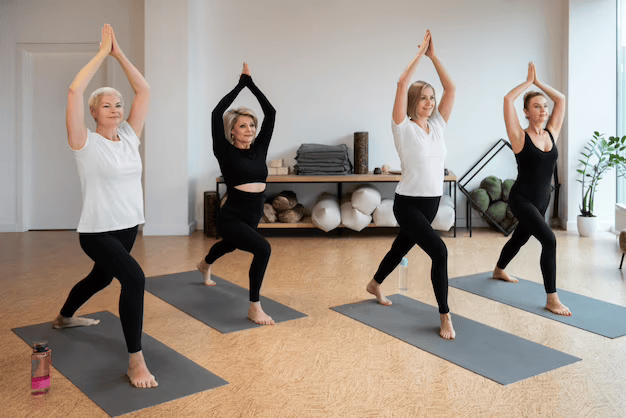
Strength and balance training
Doing regular strength and balance exercises will improve strength and balance and reduce the falls risk.
This can take the form of simple activities such as walking and dancing, or specialist training programmes. Many community centres and local gyms offer specialist training programmes for older people. Exercises that can be carried out at home are also available. GP’s and Falls Teams will know about training programmes in your area.
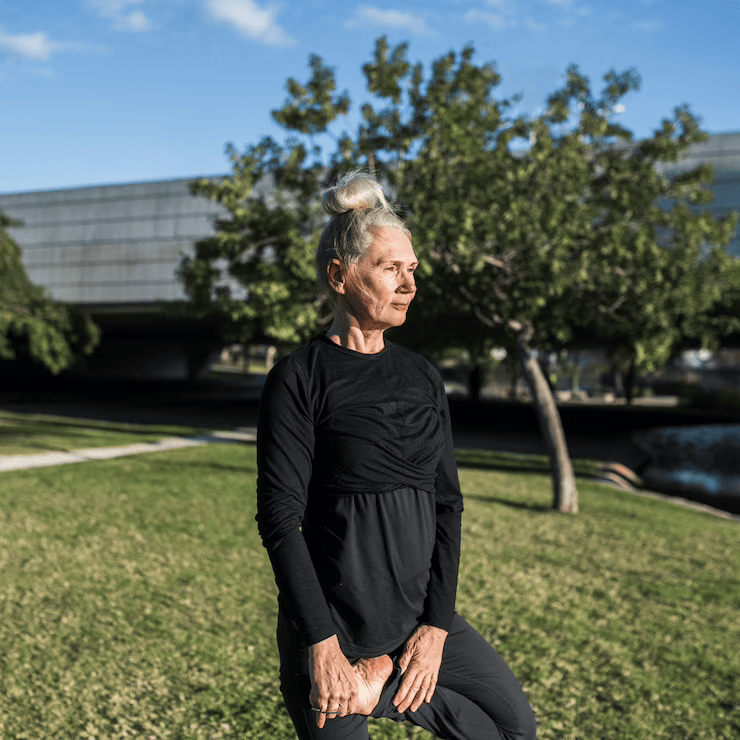
It is important that a strength and balance training programme is tailored to each individual and monitored by an appropriately trained professional.
There is also evidence that taking part in regular tai chi sessions can reduce the risk of falls. Tai chi is a Chinese martial art that places particular emphasis on movement, balance and co-ordination. Unlike other martial arts, tai chi does not involve physical contact or rapid physical movements, making it an ideal activity for older people.
You can read more about NHS physical activity guidance for older adults via this link.
This fabulous short video (3:55) resource from the Chartered Society of Physiotherapy provides 6 simple exercises.
You can access the pdf mentioned in the video and more resources via this link.
This short NHS video (1:53) provides a falls strength and balance test to find out which level of falls exercises people should try.
This is something you may be able to do with the individuals you support. Make sure you risk assess beforehand.
After assessing the level, you will find links to the 3 levels of NHS strength and balance exercises below.
These levels were explained in the video.
Level 1
Strength and balance exercises
Level 2
Strength and balance exercises
Level 3
Strength and balance exercises
This NHS video (7:49) provides a falls prevention introduction to exercise.
It explains how strength exercise can reduce the risk of falls. It provides practical advice and guidance with examples of how exercise has helped people to gain strength and confidence. It is inspiring to see people engaging in exercise.

You may also find our Activities Provision course useful.
It is a varied course with lots of practical information about different approaches with individual and group activities. It covers movement and exercise as well as music, arts, massage and life story work.
Don’t neglect yourself. Get up and do some exercise. Do it now! You’ll be amazed at how good you will feel afterwards, even if it’s only for 5 minutes.
Let’s have a look at some of the other important areas…
Energy (calories) – activity levels typically reduce with ageing, and calorie requirements decrease.
Protein – Adequate amounts of protein are needed to maintain muscle mass. Good sources of protein include tofu, edamame, lentils, chickpeas, beans, peas and nuts.
Fibre – Constipation is a common problem for older people. People should be encouraged to eat a variety of fibre-rich foods such as fruit, vegetables, nuts, peas, beans and lentils.
Vitamin D – This is important for good bone health. The main source of vitamin D is sunlight so people should be offered the opportunity to spend time outside. Dietary sources of vitamin D include oily fish, such as mackerel, kippers, salmon. Vitamin D can also be found in fortified breakfast cereals, mushrooms and fortified soy or nut milks. People aged 65+ might want to take a vitamin D supplement if it is not possible to get sufficient through sun and diet. People who are taking medication for epilepsy can also suffer from low vitamin D levels and may need to take supplements.
Calcium – Green leafy vegetables, like broccoli, cabbage and okra (not spinach) are a good source of calcium. You can also get calcium from sesame seeds, tahini, pulses, brown or white bread, dried fruit (prunes, raisins, figs, apricots) and soy or nut milk. A lack of calcium can increase risk of osteoporosis. Calcium or vitamin D supplements may be prescribed for people affected by osteoporosis.
Reduce the incidence of constipation and urinary tract infections
Maintain normal body temperature
Prevent headaches, confusion, dizziness and irritability.
- Warmer weather conditions
Extra physical activity
Vomiting and diarrhoea
Large stoma output or wound exudates.
Are unable to maintain an adequate fluid intake independently
Avoid drinking to avoid incontinence
Choose to remain in their own room
Have swallowing problems and require either a pureed diet or thickened fluids
Have a reduced sense of being thirsty and require their fluid intake to be monitored by staff.

Drinking alcohol can lead to loss of co-ordination.
Many of us will have experienced the effects of excessive alcohol (possibly some of us more than others!).
Alcohol can also have an impact on the effects of medication.
Both can significantly increase the falls risk, particularly in older people.
Avoiding alcohol, or reducing the amount consumed, will reduce the falls risk.
Drinking excessive amounts of alcohol can also contribute to the development of osteoporosis.
Checks
It is important to ensure that individuals have regular check ups. The following links provide more information about check ups.
Vision
Looking after the eyes is very important as eyesight affects balance and mobility. Good eyesight helps people to move around safely and stay steady on their feet. Older people with a visual impairment have double the risk of falling. Falls Assistant provides further guidance.
Hearing
Free hearing tests are available through the NHS. A GP may refer an individual to a hearing specialist (audiologist) who can carry out a test. You can also get tests (possibly a bit faster) at some of the larger pharmacies or opticians but these will most likely need to be paid for.
Footcare
Whilst problems with the feet, like long toenails, calluses and poor circulation, can cause pain and discomfort, they can also make people unsteady on their feet. Footwear can also affect walking and balance. Falls Assistant provides further guidance about foot care and footwear.
Medicines
The Falls Assistant website provides further information about the challenges around medication and falls.
Osteoporosis
This NHS web page provides information about Osteoporosis.
Continence
Bladder Health UK provide information about continence.
People who have learning disabilities should have an annual health check.
It is essential to do this every year which covers the above areas as well as looking at their general falls risks.
Providing information
It is important that we support people to maintain their independence and that we give them information. This promotes dignity and a sense of control in what can be a very frightening situation. You may need to look at “accessible” ways of providing this information so it can be understood by the individuals you support.
Think about their preferred methods of communication.
There are some great resources available on the internet.
These are some examples which you may find useful.
This short (2:07) video from Age UK explains how to reduce the risk of falling.
People can be frightened particularly if they have had a fall previously and they may need reassurance. If someone is taking a new medication, ask them how they are feeling. Are they dizzy or tired?
Ask people who have health conditions how they are feeling before encouraging them to mobilise. For example, people who have diabetes may have low blood sugar and feel strange.
Watch and check as you move around your place(s) of work. Are there any slip or trip hazards? Always remember to report anything you see that may cause a slip, trip or fall.
By being observant you can prevent falls from happening.
Assessment in the home, including risks.
Rehabilitation programmes and practice.
Advice and teach strategies for safer mobilising.
Home based exercise programmes.
Group exercise programmes.
Assessment and provision of equipment for daily living activities, such as handrails, falls alarms, walking aids.
Health promotion, including diet.
Training programmes for community health and social care staff and staff in care homes.
The fracture liaison service will support people over 50 who have suffered a fracture. You can watch this video to see the great work that they do:
YOUTUBE
Strong bones after 50: Fracture liaison services explained
Strong Bones After 50 is a guide that provides jargon-free information to patients and carers for supporting older people who have broken a bone following a …
VIEW ON YOUTUBE
There are lots of products which can assist people, ranging from simple plastic tools to high-tech solutions.
People should be assessed by an occupational therapist or physiotherapist to ensure that they have the right equipment in the right place. When someone has a new piece of equipment to help them, it is important that they are shown how to use it and that they are given time, and if necessary support, while they get used to using it.
Examples of some aids and equipment are:
.svg)



