
1. Create a Fall-Proof Environment
These are some of the practical things you can do:
2. Choose Appropriate Footwear
Most of us have a favourite pair of shoes or slippers, but if they are worn out, ill-fitting or an impractical style, they can be a serious fall hazard.
Supportive, low-heeled shoes with non-slip soles are ideal. Encourage people to wear them both inside and outside the home. Avoid walking around in socks, stockings or backless slippers.

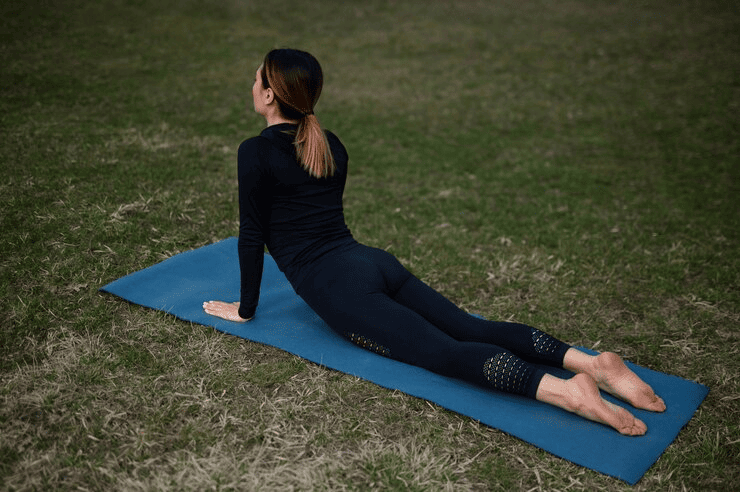
3. Encourage people to engage in physical activity
Regular physical activity is the first line of defence against falls and fractures.
As people get older, they typically become less active and begin to lose muscle mass and tone. This leads to a decrease in strength, coordination, and flexibility and an increase in fall risk. Work with a physiotherapist to design an exercise programme for people. Exercise can help people improve their stamina and mobility, regardless of their age.
4. Use the correct mobility aids
There are many mobility aids available.
We should work with physiotherapists and occupational therapists to ensure that people have the correct aids for their needs. Both you and the individual should be taught how to use them safely.
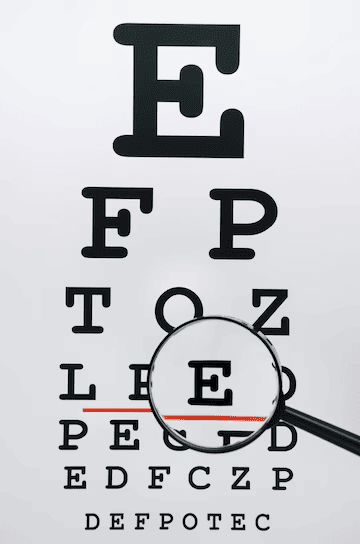
5. Regular eye checks
Even small changes in sight can make someone more prone to falling.
Regular eye checks are crucial for ensuring someone is wearing the correct glasses and also provide screening for eye diseases. When someone gets new glasses, encourage them to be extra cautious while they are getting used to them. For example, bifocal and trifocal lenses can cause altered depth perception while walking. This makes it easy to lose balance and fall. To prevent this, people who wear bifocals or trifocals must practise looking straight ahead and lowering their head.
6. Medication reviews
Certain prescriptions cause side effects.
For example, dizziness, confusion, drowsiness, fluctuations in blood pressure or slowed reflexes that can contribute to falls.
It is important for you to be aware of these side effects so that you can monitor them. Regular reviews in medication are important to ensure that medicines are not causing complications. Over-the-counter medications and supplements can cause problems as well, so these need to be included in reviews.

7. Constant Observation
You need to watch out for changes
For example, in the way that people move, understand instruction and behave. By noticing these things early on you can have an impact on falls prevention.

8. Follow individuals’ risk assessments
Everyone we support who is at risk from falling should have a falls risk assessment in place.
By following the guidance from these, you can prevent falls. We will look at these in the next section.
.svg)



